
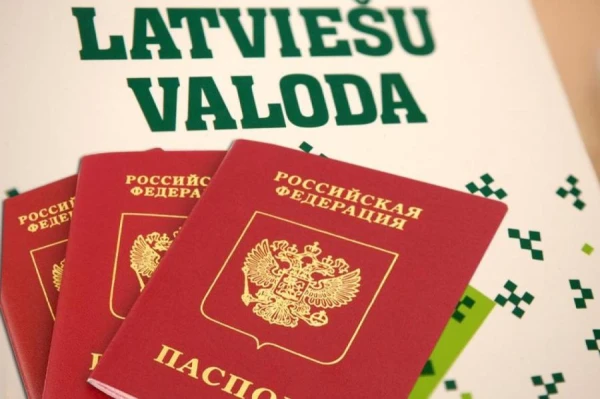
Riga Responds to Russia’s Promises to Protect Russians Living in Latvia
The Escalating Diplomatic Standoff: Why Russia Is Targeting the Baltic States
Tensions between the Baltic nations—Latvia, Lithuania and Estonia—and the Kremlin have reached a boiling point. The recent announcement by the Russian Ministry of Foreign Affairs regarding potential lawsuits at the International Court of Justice (ICJ) is the latest chapter in a long-standing geopolitical tug-of-war. But is this a genuine pursuit of justice, or is it a calculated move in a much larger information war?

For observers of Eastern European politics, the pattern is familiar. By framing domestic security policies in the Baltics as “oppression of ethnic Russians,” Moscow is employing what the Latvian Ministry of Foreign Affairs aptly describes as a “smokescreen.”
Decoding the “Smokescreen” Strategy
Why now? As Latvia and its neighbours solidify their stance on regional security and remain staunch supporters of Ukraine, the pressure from the Kremlin has intensified. The narrative being pushed by Moscow focuses on administrative measures and criminal proceedings—such as those involving public displays of support for the war in Ukraine or the commemoration of Soviet-era symbols.
The Reality of Rule of Law in the Baltics
The Latvian government maintains a clear position: its legal actions are not directed at Russian speakers as an ethnic group, but at individuals who actively support the Kremlin’s aggression. This distinction is vital for understanding why the international community largely views the Russian claims as disinformation.
- Compliance with International Standards: Latvia, Estonia, and Lithuania consistently rank high in indices measuring the rule of law and human rights.
- Security vs. Suppression: Restrictions on specific wartime songs or public demonstrations are framed as internal security measures, similar to how other European nations handle public order during times of geopolitical crisis.
- The “Colonial” Narrative: Analysts argue that Russia’s focus on the Baltics stems from a desire to reassert influence over former Soviet territories, a perspective that clashes directly with the Baltic states’ sovereign right to determine their own foreign policy.
Future Trends: What to Expect in Baltic-Russian Relations
As we look toward the future, the friction is unlikely to dissipate. Instead, we can expect a shift toward more sophisticated digital influence campaigns. Here is how this landscape is evolving:
1. Increased Reliance on International Forums
Expect Russia to continue using the ICJ and other international bodies as platforms for grievances. While these cases often lack legal merit, they provide a stage for the Kremlin to project its narrative to global audiences.
2. Strengthening of Domestic Resilience
Baltic states are investing heavily in media literacy and cyber defense. By educating their populations on how to identify propaganda, Riga, Tallinn, and Vilnius are building a “social firewall” against disinformation.
Frequently Asked Questions
Q: Are ethnic Russians being persecuted in Latvia?
A: Latvian authorities state that measures are taken against individuals supporting Russian military aggression, not based on ethnicity. International observers generally support the view that the Baltic states remain committed to democratic norms.
Q: Why is Russia taking the Baltic states to the ICJ?
A: Experts view this as a form of “lawfare” designed to create a smokescreen, distract from international criticism of Russia’s actions in Ukraine, and influence domestic and international public opinion.
Q: How do the Baltic states respond to these accusations?
A: They maintain that they are reliable international partners, upholding human rights and the rules-based international order while protecting their national sovereignty.
What are your thoughts on the evolving geopolitical landscape in Eastern Europe? Do you believe international courts can effectively resolve these types of diplomatic disputes, or is this purely a political theater? Join the conversation in the comments section below and subscribe to our weekly newsletter for deep dives into global security trends.