

Rising Fuel Prices and High Airfares to Impact Summer Travel
The summer travel season is facing a significant economic test as surging fuel costs place upward pressure on both airfares and gasoline prices. With jet fuel prices having doubled in less than three months following the conflict involving the U.S., Israel, and Iran, the aviation industry is contending with its second-largest expense after labour. These costs are increasingly being passed on to consumers, resulting in domestic round-trip airfares averaging $623 in April, the highest level in nearly four years.
The collapse of Spirit Airlines, the largest U.S. Carrier failure in decades, has further altered the market landscape. While other airlines have moved to absorb the carrier’s former customers, the exit of a major low-cost provider removes a significant source of budget-friendly fares, potentially tightening supply and further driving up costs for travelers.
Market Implications and Geopolitical Pressures
The volatility in fuel prices is not only affecting ticket prices but is also forcing airlines to refine their growth strategies. By pruning schedules and cutting less profitable routes, carriers are reducing the total number of available seats. In an environment of robust demand, this capacity constraint is likely to keep prices elevated throughout the peak summer months.

Road travel is similarly impacted. GasBuddy forecasts that U.S. Gasoline prices could average $4.80 through labour Day if the Strait of Hormuz remains closed for a significant portion of the summer. AAA reports that growth in road trip travel for Memorial Day weekend is expected to reach only 0.1% compared to last year, marking the smallest growth in a decade.
Looking Toward the Summer Peak
Despite the financial headwinds, major carriers remain optimistic about the season. Events such as the FIFA World Cup and international concert residencies are expected to drive passenger volume. United Airlines projects it will carry 53 million travelers between June and August, an increase of 3 million from the previous year.
For those looking to mitigate high costs, travel experts suggest utilizing tools like the “Explorer” feature on Google Flights to find lower-cost destinations. Choosing to fly on Tuesdays or Wednesdays may also offer significant savings. Travelers holding frequent flyer miles or credit card points are encouraged to utilize them now, as the potential for future devaluation remains a concern.
Frequently Asked Questions
Why are airfares higher this year?
Airfares have risen significantly due to a doubling of jet fuel prices over the last three months and a reduction in flight capacity as airlines trim their schedules and ax unprofitable routes.
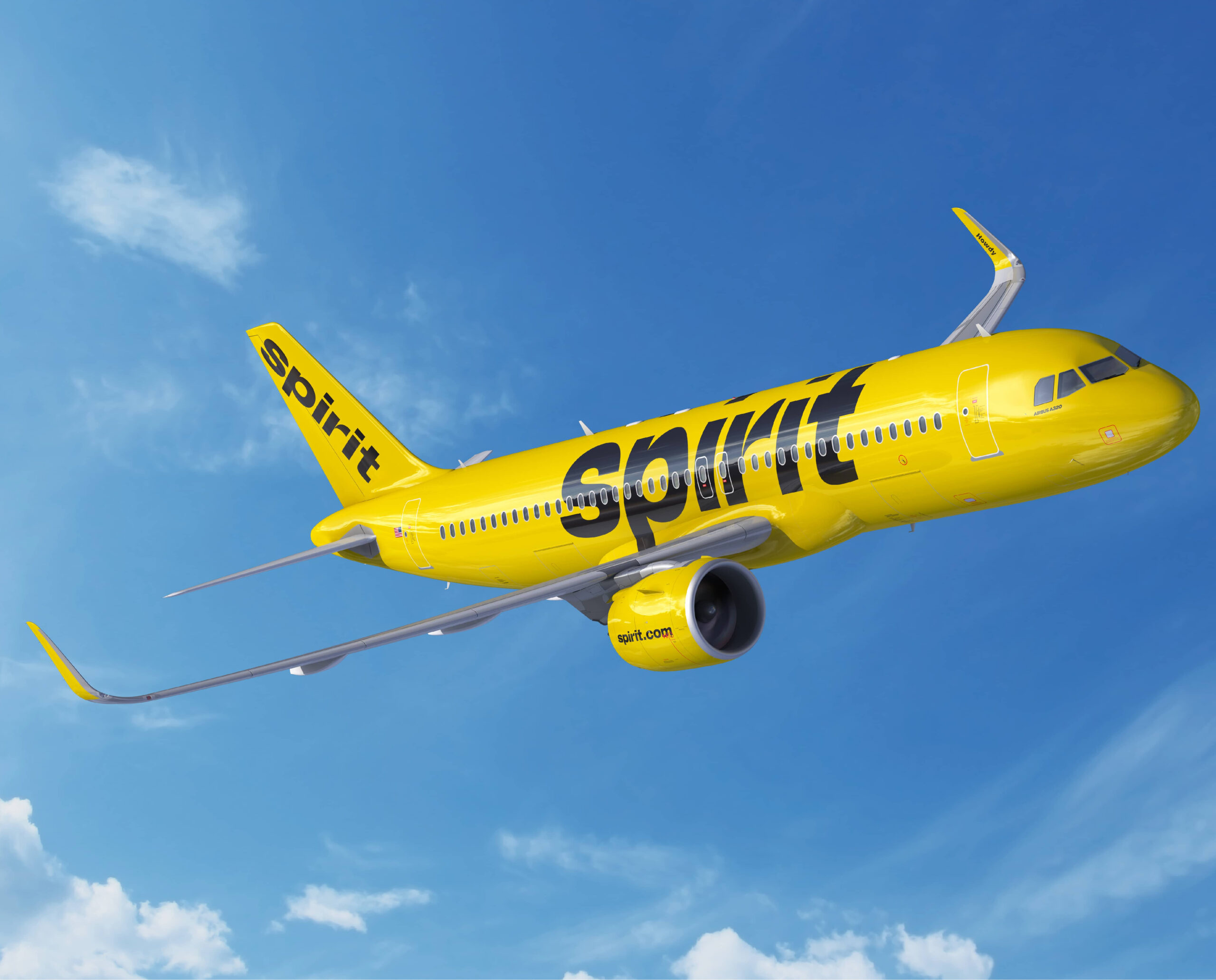
How is the collapse of Spirit Airlines affecting travelers?
The collapse of Spirit Airlines removed a major provider of low-cost fares from the market, which, despite other airlines absorbing the demand, has contributed to a more expensive pricing environment for consumers.
What factors could influence gasoline prices for the remainder of the summer?
Gasoline prices are heavily influenced by the ongoing conflict in the Middle East; analysts indicate that if the Strait of Hormuz remains closed, national gas price averages could reach $4.80 through labour Day.
How have rising costs changed the way you approach your summer travel plans?