

Robotic Heart Surgery in Mysore: Guide to Minimally Invasive Care
Apollo Hospital Mysore provides robotic heart surgery as a minimally invasive alternative to traditional open-heart procedures. This technique utilizes small incisions between the ribs and robotic arms controlled by a surgeon to treat conditions like mitral valve disease and specific coronary artery blockages, according to the facility.
The approach replaces the traditional large sternal incision with smaller openings. Surgeons at Apollo Hospital Mysore use these ports to insert specialized instruments and a small camera that provides a magnified 3D image of the heart. The surgeon operates these tools from a console within the operating room, maintaining full control throughout the process.
How does robotic heart surgery work?
The system doesn’t operate independently. Instead, it acts as a precision tool for the surgeon. According to Apollo Hospital Mysore, the process begins with general anesthesia and the creation of small incisions between the ribs.
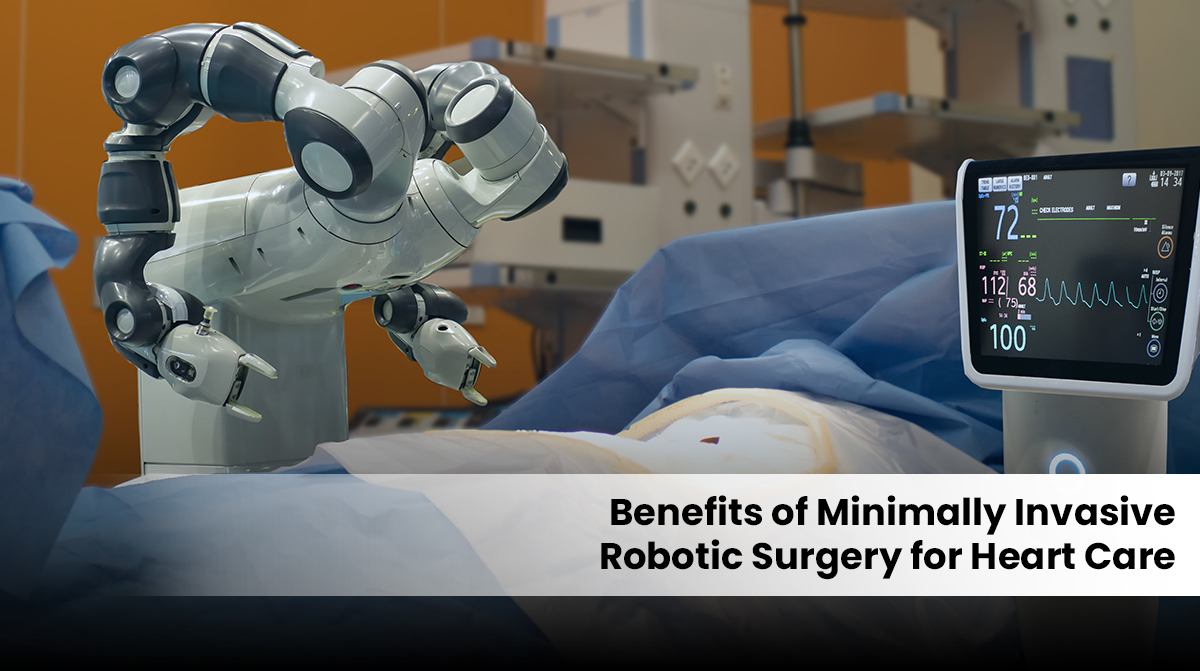
Once the robotic arms and camera are in place, the surgeon manipulates the instruments from a console to repair or replace valves or perform coronary artery bypasses. This method allows for high precision without the need to split the breastbone.
Who is eligible for robotic heart procedures?
Medical teams at Apollo Hospital Mysore determine eligibility based on symptoms, medical history, and imaging results. Candidates typically include those with single mitral valve disease, specific coronary artery occlusions suitable for minimally invasive bypass, or selected congenital heart defects.

Patients must generally be in stable health without major complications. Doctors use echocardiograms, CT scans, and coronary angiography to confirm if the robotic approach is feasible.
Certain patients aren’t suitable for this method. Traditional open-heart surgery remains the safer choice for those with emergency cardiac conditions, advanced heart failure, or extensive coronary disease requiring multiple bypasses. Severe calcification of major vessels or a history of complex thoracic surgery may also disqualify a patient.
What are the risks and benefits of this approach?
The primary advantages include smaller scars and reduced pressure on the sternum. According to the facility, some patients experience less bleeding, reduced postoperative discomfort, and shorter hospital stays, which may lead to an earlier return to daily activities.
However, the procedure carries risks common to all heart surgeries. These include infection, bleeding, irregular heart rhythms, and reactions to anesthesia. While rare, surgeons may need to convert the procedure to a full open-heart surgery to ensure patient safety.
What happens during the recovery process?
Post-operative care begins with immediate monitoring before the patient moves to a general recovery room. Medical staff provide specific guidelines on medication, wound care, and physical activity.

Recovery timelines vary. Many patients may gradually return to light daily activities within a few weeks. Follow-up visits are used to monitor heart function and overall healing.
Some patients may be advised to enter cardiac rehabilitation programs for supervised exercise and lifestyle counseling. Long-term heart health may be supported by maintaining a balanced diet and managing blood pressure and cholesterol levels.
Frequently Asked Questions
What is robotic heart surgery?
It is a minimally invasive approach where a surgeon uses robotic instruments inserted through small incisions in the chest to perform cardiac procedures.
Is robotic coronary artery bypass available in Mysore?
Yes, certain specialized hospitals in Mysore, such as Apollo Hospital, offer robotic heart bypass surgery to patients who meet specific medical criteria.
Which heart conditions can be treated with this technology?
It can be used for mitral valve repair, certain coronary artery bypasses, some congenital heart defects, mitral valve prolapse, certain tricuspid diseases, and some heart tumors.
Would you consider a minimally invasive approach for heart surgery if recommended by a specialist?