
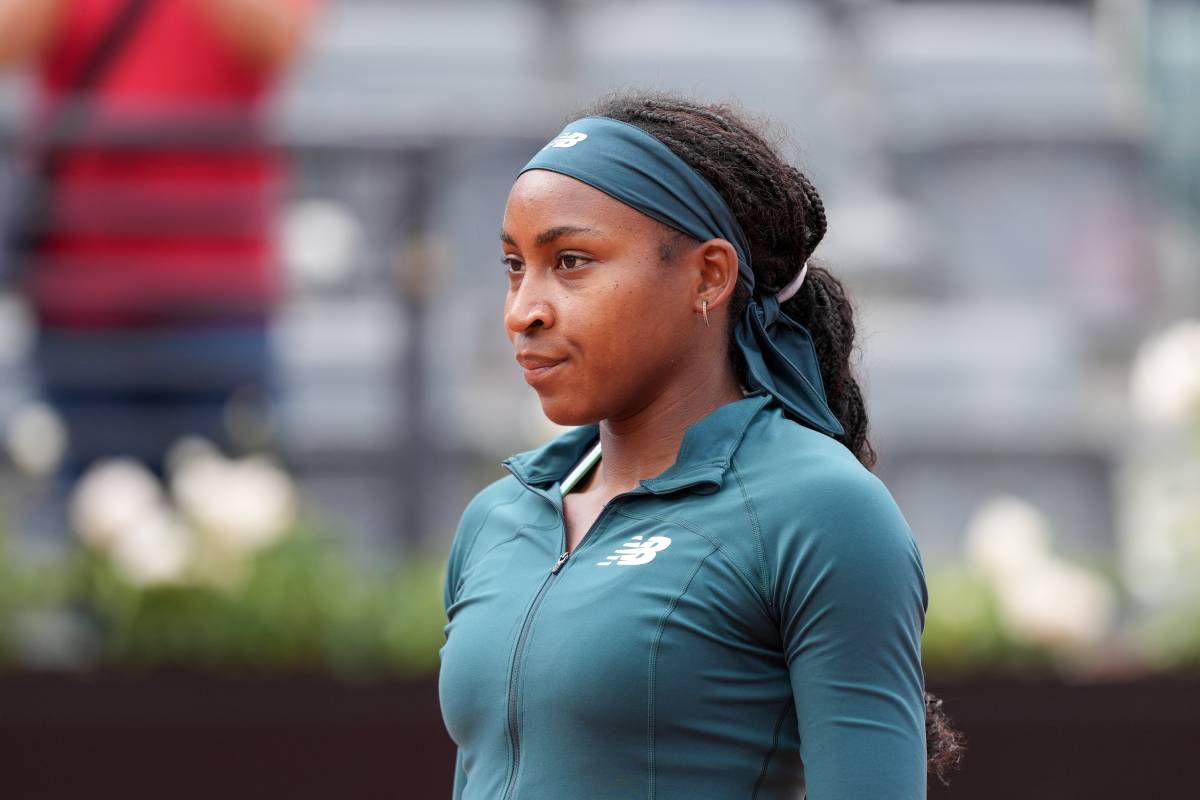
Roland Garros: Coco Gauff vs Anastasia Potapova Prediction and Preview
The New Era of Women’s Tennis: Beyond the Top Seeds
For decades, women’s tennis was defined by eras of absolute dominance—think Steffi Graf or Serena Williams. However, we are currently witnessing a seismic shift toward a more volatile, unpredictable landscape. The matchup between a powerhouse like Coco Gauff and a tactical grinder like Anastasia Potapova is a perfect microcosm of this trend.
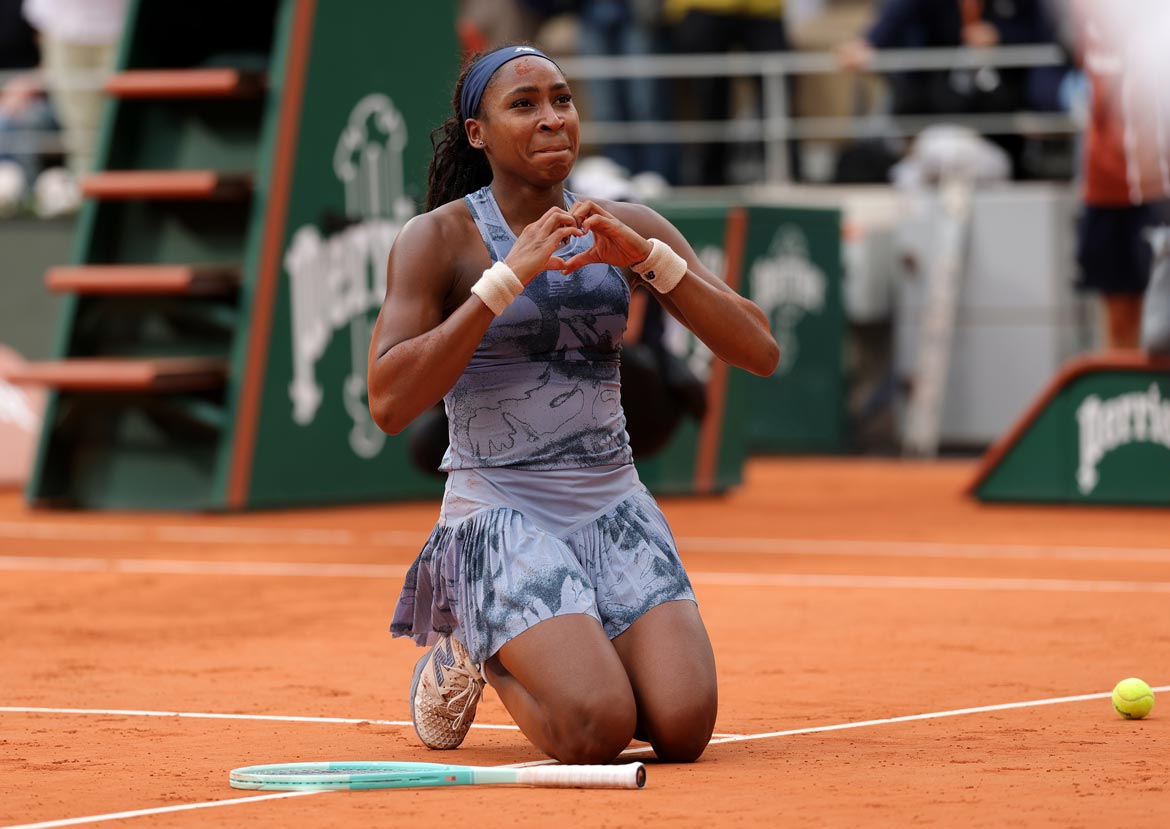
The gap between the top five seeds and the rest of the WTA top 30 has narrowed significantly. We are seeing more “trap matches” in the early rounds of Grand Slams, where world-class athleticism is being neutralized by high-percentage baseline play and psychological resilience.
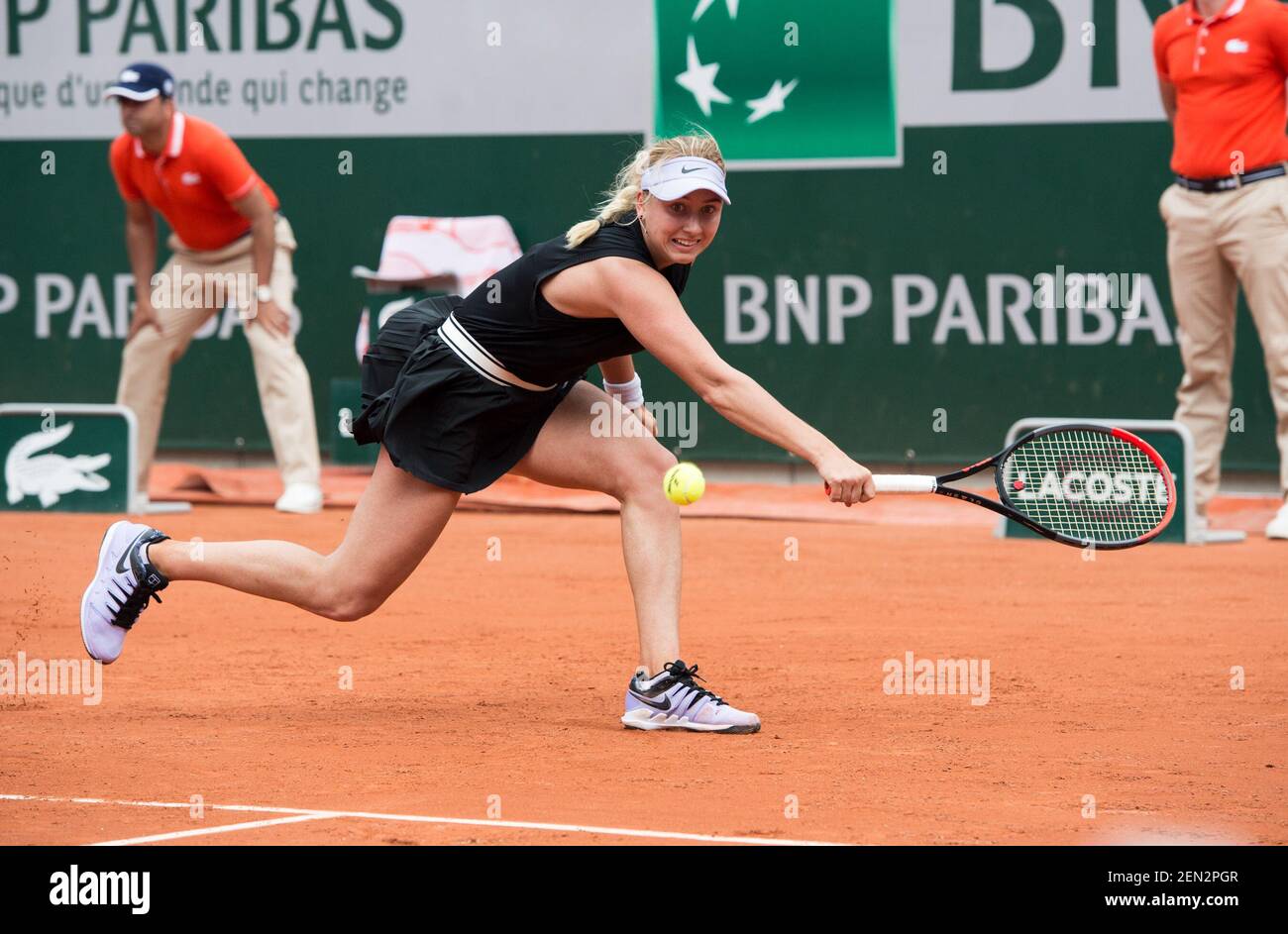
Modern tennis is no longer just about who hits the ball harder; it is about who can manage the emotional swings of a three-set battle. When a player like Potapova manages to secure a winning head-to-head record against a higher-ranked opponent, it proves that tactical familiarity can often outweigh raw ranking.
Mastering the Red Clay: The Eternal Struggle of Roland Garros
Defending a title at the French Open is one of the most grueling tasks in professional sports. The red clay of Paris demands a specific physical toolkit: extreme lateral sliding, high-topspin forehands and a mental fortitude that can withstand matches lasting over three hours.
The trend we are seeing in recent years is the “hybridization” of playstyles. Players are no longer just baseliners; they are incorporating aggressive net play and drop shots to disrupt the rhythm of their opponents. Gauff’s ability to defend her title depends largely on her capacity to vary her pace, preventing opponents from settling into a comfortable rhythm.
the physical toll of the surface means that recovery between rounds is now a science. From cryotherapy to personalized nutrition, the “off-court” game is becoming just as important as the on-court strategy. Those who can maintain peak intensity from the first round to the final are the ones who will define the next decade of the sport.
The Psychology of the Head-to-Head (H2H)
In tennis, the “mental block” is a real phenomenon. When a lower-ranked player has a winning record against a superstar, it creates a psychological advantage that transcends current form. This “mental edge” often manifests in high-pressure moments—such as a break point at 4-4 in the second set.
For a favourite to break this cycle, they must often reinvent their tactical approach. Instead of playing their “standard” game, they must adapt to the specific patterns that have previously failed them. This psychological chess match is what makes the 1/16 finals of a Major more exciting than the final itself.
The Shift Toward Analytical Match Forecasting
The way fans and analysts engage with tennis is evolving. We are moving away from simple “Who will win?” predictions toward more nuanced, data-driven forecasting. The rise of “Total Games” betting—such as predicting over 20.5 games in a match—reflects a deeper understanding of match dynamics.
Analytical trends show that matches between a dominant seed and a “giant-killer” often result in longer contests. Even if the favourite wins, the underdog’s ability to steal a set or push a tiebreak is increasingly common. This shift toward WTA statistical analysis allows fans to appreciate the granularity of the game, focusing on break-point conversion rates and first-serve percentages.
As AI and real-time data integration become standard in broadcasting, You can expect “predictive win probability” to become a central part of the viewing experience, similar to what we see in NFL or NBA broadcasts.
Frequently Asked Questions
Why is Roland Garros considered the hardest Grand Slam to win?
The combination of the slow clay surface, the physical demand for long rallies, and the extreme mental patience required makes it a unique challenge compared to the fast courts of Wimbledon or the hard courts of the US Open.
What does “Over 20.5 games” mean in tennis betting?
It means that regardless of who wins, the total number of games played across all sets must be 21 or more. This usually suggests a competitive match where at least one set goes to a close score or a third set is required.
How does a head-to-head (H2H) record affect a match?
H2H records provide a psychological blueprint. If a player has consistently beaten a higher-ranked opponent, they enter the match with higher confidence and a proven tactical strategy to neutralize the other’s strengths.
Join the Conversation!
Do you think the “New Generation” of tennis is truly here, or are we still waiting for a dominant era? Who is your pick for the next clay-court champion?
Leave a comment below or subscribe to our newsletter for deep-dive sports analytics!