
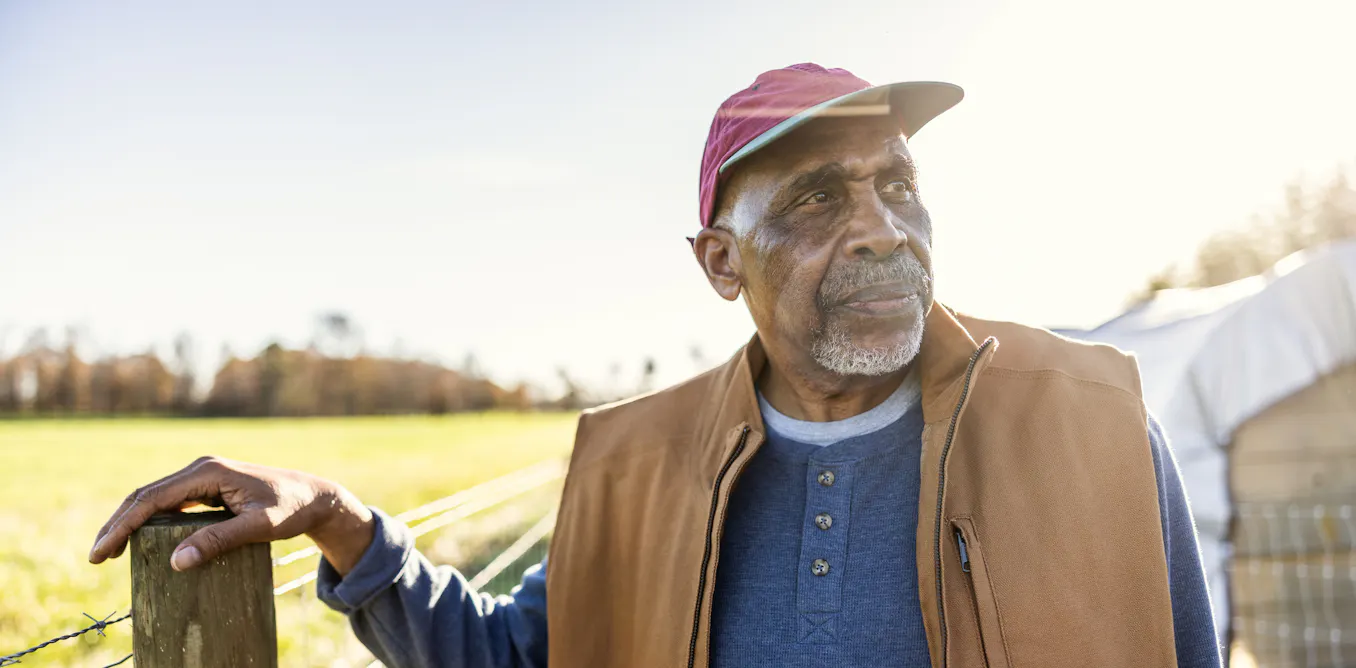
Rural areas lag behind in cancer treatment and prevention – even as rich, urban areas increasingly leave dying from cancer in the rearview
Cancer death rates in the United States have declined by 34% between 1991 and 2022, resulting in approximately 4.5 million fewer deaths during that period. While the national trend shows a consistent improvement following a 1991 peak of 215 deaths per 100,000 people, research indicates that these gains are not distributed equally across the country, with significant disparities emerging between wealthy, urban centers and rural, lower-income counties.
Before 1991, rural and urban areas in the U.S. experienced similar rates of cancer mortality. It was only after the national cancer death rate began to fall that the gap between these geographic regions started to widen.
The Urban-Rural Divide in Cancer Mortality
Research conducted by a team of social scientists, including Viswadeep Lebakula, analyzed cancer death rates across nearly 3,000 U.S. counties from 1981 to 2019. The findings reveal that metropolitan regions, particularly along the Atlantic and Pacific coasts, experienced the most significant improvements. For example, Manhattan saw a 47% decline in cancer deaths, while other major hubs like the San Francisco Bay Area, Los Angeles, and Seattle also reported substantial progress that exceeded the national average.

Conversely, rural and nonmetropolitan areas have lagged behind. Data shows that states like Mississippi and Arkansas saw declines of only 20% and 23%, respectively. Furthermore, approximately 458 rural counties actually recorded an increase in cancer mortality rates during the study period, illustrating a stark geographic inequality in public health outcomes.
Income and Access to Health Innovations
Financial capacity appears to be a primary driver of these health outcomes. According to the research, the 10% of the U.S. population living in the highest-median-income counties saw mortality improvements roughly seven times greater than the 10% living in the lowest-income counties by 2019.
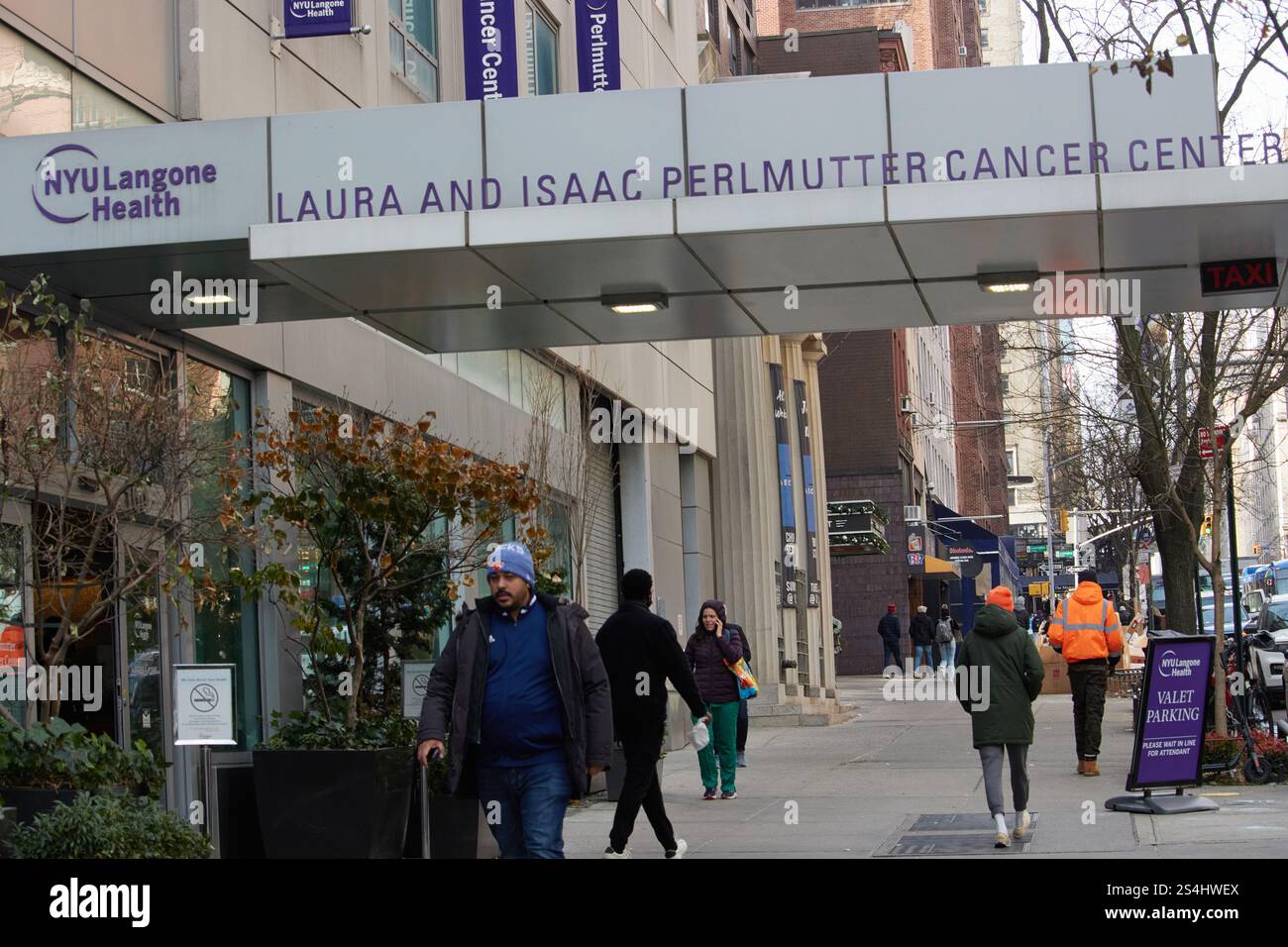
The American Cancer Society and the Centers for Disease Control and Prevention note that advances in screening, treatment, and tobacco control are central to reducing cancer deaths. However, the adoption of these measures remains inconsistent. In places like New York City, aggressive tobacco control policies helped Manhattan achieve a 60% reduction in lung cancer deaths by 2019. In contrast, many rural and less affluent regions have implemented fewer tobacco control laws, often facing higher local smoking rates and limited access to specialized cancer services.
The U.S. has proven highly capable of developing medical innovations, yet the data suggests a persistent failure to distribute these advancements equitably. The widening gap between wealthy, urban areas and rural, low-income communities indicates that technological progress alone is insufficient to improve public health if access is not addressed at the community level.
What Comes Next for Cancer Care
The future trajectory of these disparities remains uncertain. If current trends continue, the gap between rural and urban populations—as well as between different income levels—could potentially grow. Addressing this may require the development of screening techniques and tobacco control policies specifically tailored to the unique needs of rural settings. Experts suggest that increasing access to advanced treatments in underserved, low-income regions could be a possible next step to help close the mortality gap and ensure more equitable health outcomes across the country.
Frequently Asked Questions
How much have cancer deaths declined since 1991?
Cancer deaths have decreased by 34% between 1991 and 2022, which equates to an estimated 4.5 million fewer deaths.

Why do some counties have higher cancer death rates than others?
Research indicates that differences in income, access to medical services, and the implementation of public health measures—such as tobacco control policies—contribute to these geographic disparities.
Did rural areas always have higher cancer death rates than cities?
No. Prior to 1991, rural and urban America generally shared similar rates of cancer mortality; the disparity only became pronounced as national rates began to decline following that year.
How can local communities best work to bridge the gap in cancer care access?