
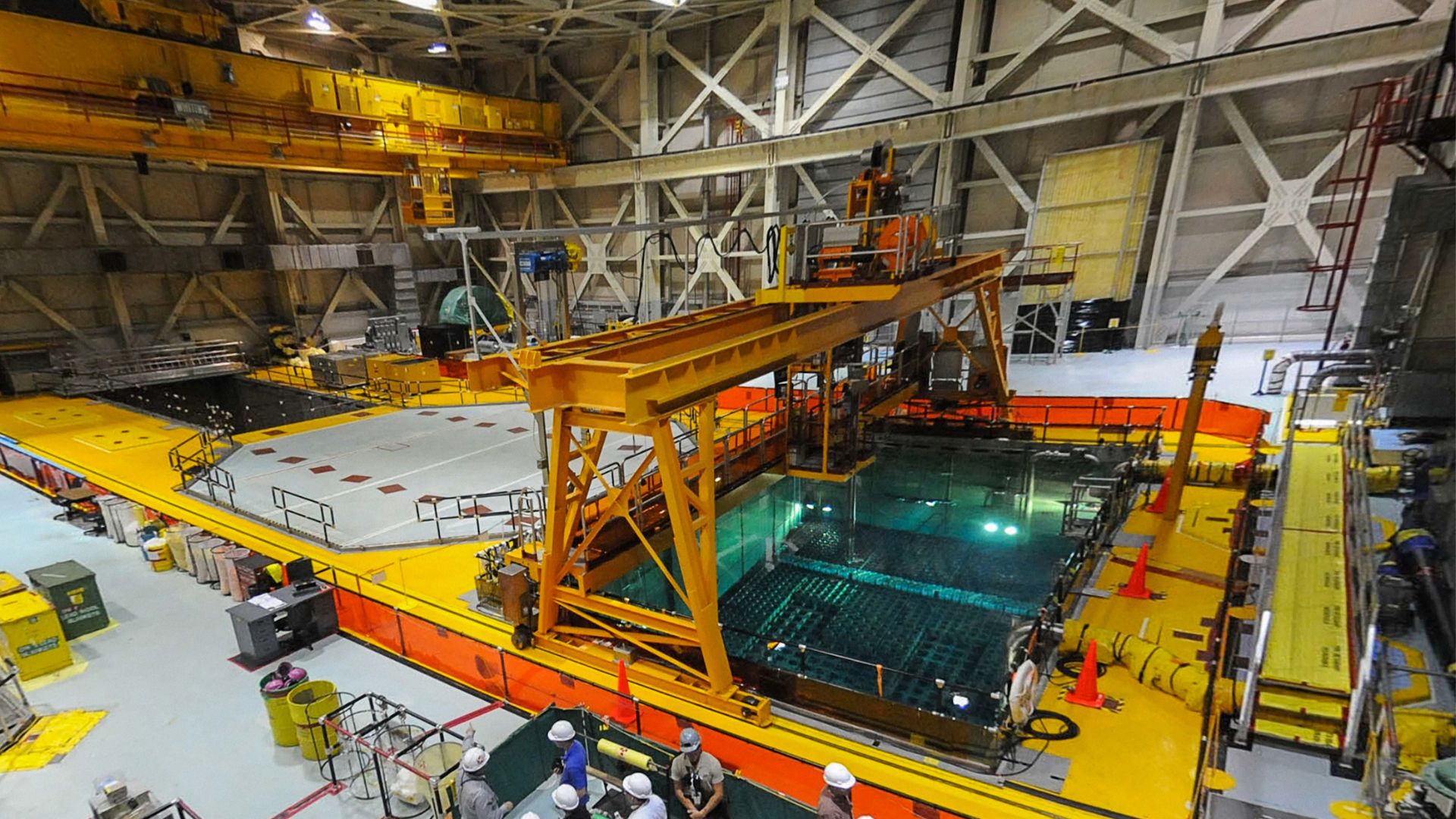
Russia plans 441-ton nuclear fuel plant to recycle waste stockpile
Rosatom, Russia’s state nuclear corporation, is conducting feasibility and site-selection studies for a new modular spent nuclear fuel reprocessing plant, according to World Nuclear News. The facility, designed to process 400 tonnes of fuel annually, could allow Moscow to control the global nuclear fuel cycle and lock in international clients for the next century.
When will the new reprocessing plant be decided?
A final decision regarding the investment and location of the plant is expected by the end of 2026, World Nuclear News reported. The facility will feature a modular design to allow for future capacity expansions.
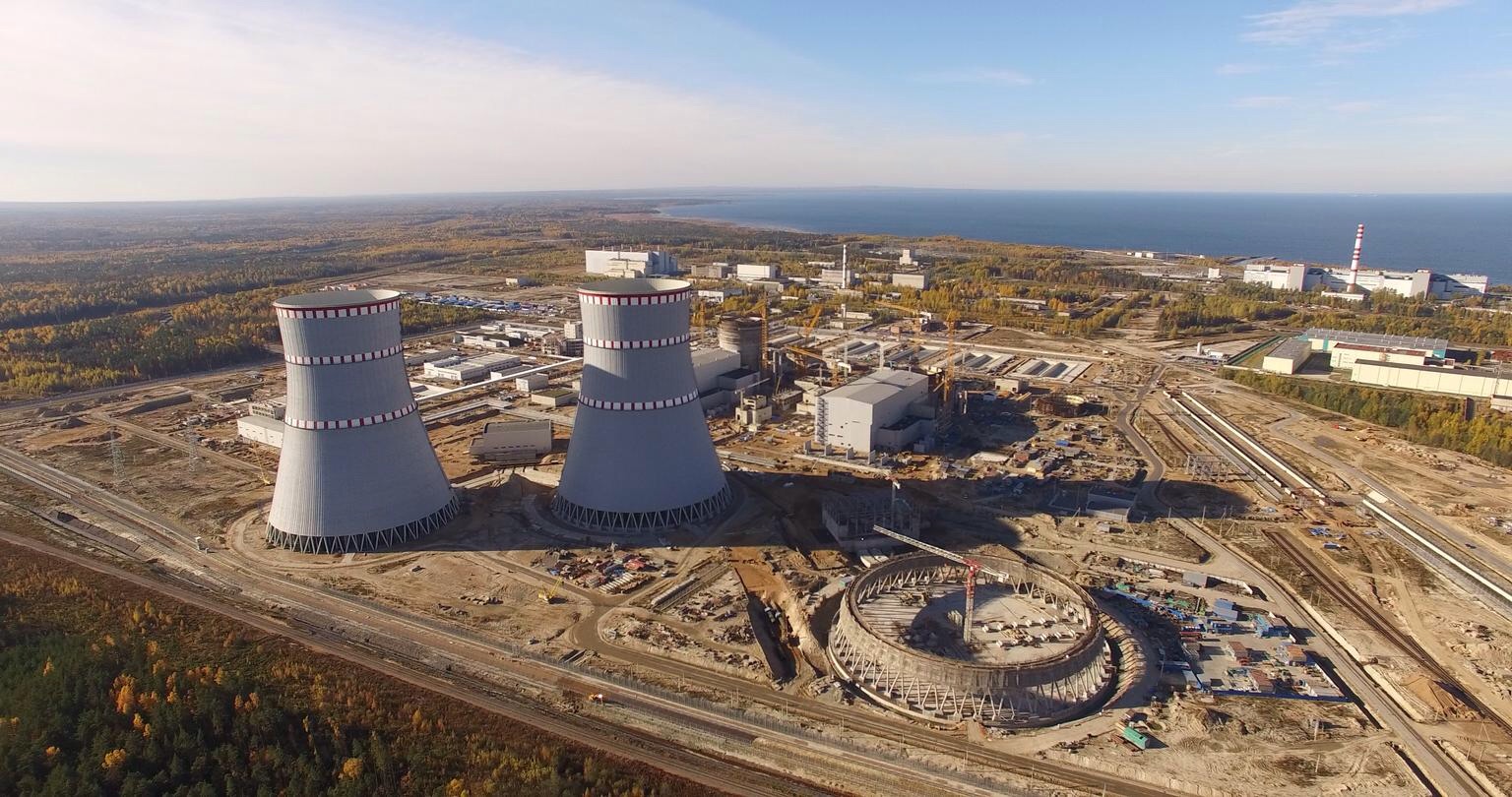
Within its first decade, the plant aims to process 400 tonnes (441 U.S. tons) of spent nuclear fuel per year. It will possess the capability to process fuel from both advanced fast-neutron systems and standard thermal reactors.
How does the fuel reprocessing process work?
Reprocessing plants recycle spent fuel by chemically separating plutonium and uranium from highly radioactive waste. This process reduces the long-term toxicity and total volume of waste requiring permanent storage.
However, the process carries significant trade-offs. These include heightened risks of nuclear proliferation, radioactive emissions, and high operational costs.
What is Russia’s strategic goal for the nuclear market?
Russia aims to establish a full-service loop for emerging economies that spans from uranium mining to waste recycling. This strategy relies on the Pilot Demonstration Energy Complex at the Siberian Chemical Combine.
That complex is anchored by the 300 MWe lead-cooled BREST-OD-300 fast-neutron reactor. It integrates the reprocessing of used fuel with the fabrication and re-fabrication of mixed uranium-plutonium nitride fuel.
Andrey Nikipelov, Deputy Director General for Mechanical Engineering and Industrial Solutions at Rosatom, stated the partnership is based on minimizing waste and reducing carbon footprints. By applying lessons from the Siberian complex to larger facilities, Rosatom may cement its leadership in the global radiochemistry market.
Frequently Asked Questions
What is the planned capacity of the new Rosatom plant?
The facility is expected to have an initial capacity of 400 tonnes (441 U.S. tons) of spent nuclear fuel per year.
What is the purpose of the BREST-OD-300 reactor?
Located at the Siberian Chemical Combine, this 300 MWe facility serves as an anchor to demonstrate a fully closed nuclear fuel cycle, integrating fuel fabrication and reprocessing.
What are the primary risks associated with nuclear reprocessing?
According to the source, the process introduces challenges including high operational costs, radioactive emissions, and increased risks of nuclear proliferation.
How might the development of a closed nuclear fuel cycle change the energy dependencies of emerging economies?