
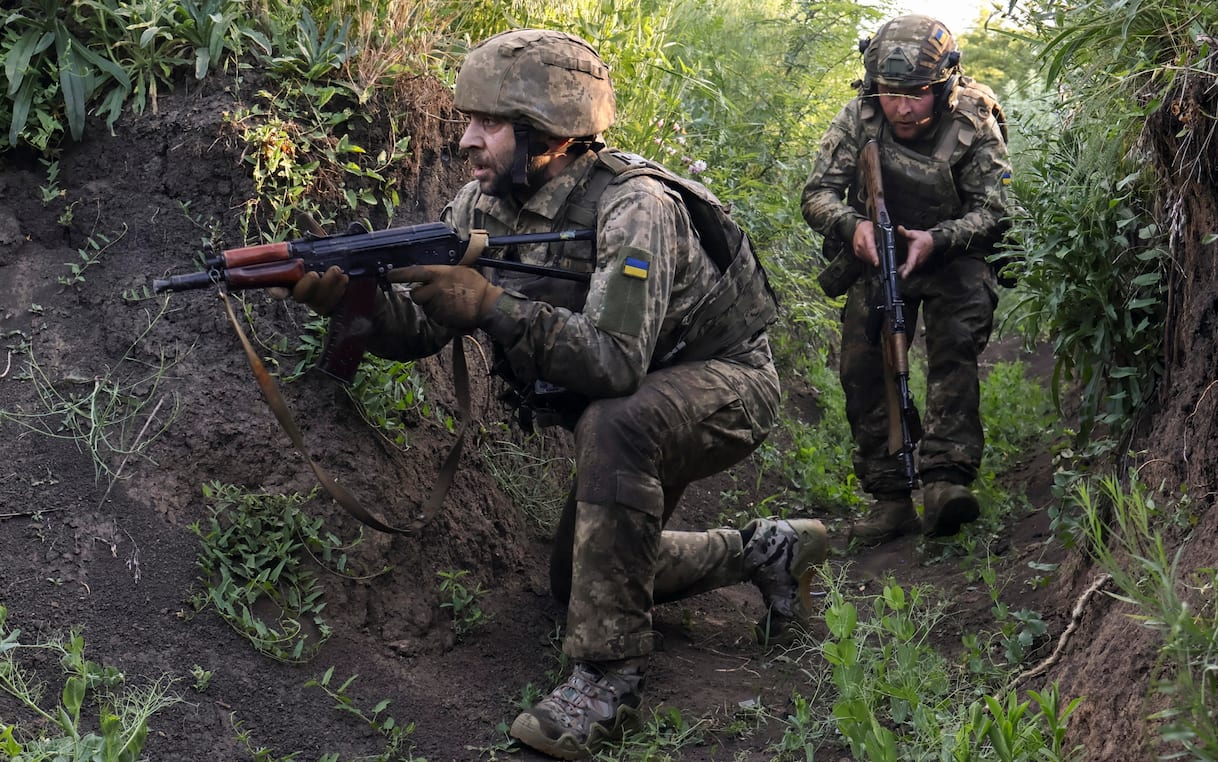
Russia Rejects Western Peace Terms Amid Intensifying Drone Attacks
Escalating Drone Warfare and Diplomatic Strains in the Russia-Ukraine Conflict
The ongoing conflict between Russia and Ukraine has reached a new level of intensity, characterized by record-breaking drone exchanges and a hardening of diplomatic positions. According to reports from the Russian Foreign Ministry, Moscow has officially rejected peace conditions proposed by France, Germany, and the United Kingdom, labeling them “unacceptable.” Simultaneously, Russian air defenses reported the interception of 231 Ukrainian drones in a single night, while Ukrainian forces claimed successful strikes against two oil refineries in Tatarstan, situated over 1,600 kilometers from the border.
Why Are Diplomatic Tensions Rising Between Russia and the E3?
Diplomatic friction has spiked following a recent meeting in London between Ukrainian President Volodymyr Zelensky and leaders from France, Germany, and the United Kingdom—the so-called “E3” group. Russian Foreign Ministry spokesperson Maria Zakharova stated that the joint declaration resulting from these talks is fundamentally unacceptable to Moscow. This rejection underscores the widening gap between Western-backed peace frameworks and the Kremlin’s strategic objectives, as both sides remain entrenched in their respective positions.
The recent attack on Nizhnekamsk in Tatarstan represents a significant shift in the conflict’s geography, with Ukrainian drones reaching industrial targets deep within Russian territory, nearly 1,600 kilometers from the front lines.
How Is the Nature of Combat Evolving on the Ground?
The conflict is increasingly defined by long-range aerial warfare rather than static frontline engagement. Russian defense officials reported the destruction of 231 Ukrainian drones across multiple regions, including Moscow, Crimea, and the Tatarstan republic. Conversely, the Ukrainian General Staff has claimed responsibility for targeting energy infrastructure, specifically oil refineries, to disrupt the Russian war machine’s logistical capacity. These reciprocal strikes have caused civilian casualties on both sides, with officials in the Russian Bryansk region and the Ukrainian Sumy region confirming deaths following nocturnal artillery and drone attacks.
What Are the Strategic Implications of Shifting Military Aid?
A potential realignment of Western military support is currently under scrutiny. According to the New York Times, internal documents indicate that the United States is planning a significant reduction in the number of fighter jets and naval assets committed to NATO operations in Europe. The reported plan includes reducing F-16 and F-15E fighter presence from 150 to 100 aircraft and reallocating maritime reconnaissance assets. While the Pentagon has declined to confirm specific figures, the shift suggests a potential recalibration of U.S. defense commitments, which could force European nations to assume a greater share of the continental security burden.

| Asset Type | Reported Current Status | Planned Reduction (per NYT) |
|---|---|---|
| F-16 & F-15E Fighters | 150 | 100 |
| Reconnaissance Aircraft | 26 | 15 |
Frequently Asked Questions
- Why did Russia reject the E3 peace proposal? According to Maria Zakharova, the conditions outlined by France, Germany, and the UK after their meeting with Zelensky are considered “unacceptable” to Russian interests.
- How far did the recent Ukrainian drone strikes reach? Ukrainian drones successfully struck targets in Nizhnekamsk, Tatarstan, which is approximately 1,600 kilometers from the Ukrainian border.
- Are U.S. forces withdrawing from Europe? Reports from the New York Times suggest the U.S. is planning a reduction in fighter jets and naval assets assigned to NATO, though the Pentagon has not provided a specific timeline for these changes.
The situation in Eastern Europe remains volatile. Subscribe to our daily newsletter for verified updates on defense policy and geopolitical developments. Click here to subscribe.