
Russia says yacht making ‘dangerous approach’ in Channel prompted warning shots
Russian naval activity in the English Channel is shifting toward direct confrontation and physical interdiction. Recent events, including warning shots fired at a British yacht and the boarding of the sanctioned tanker Smyrtos, indicate a trend of “gray zone” tactics and stricter UK enforcement of oil sanctions to disrupt Moscow’s war economy.
Why are Russian warships targeting civilian vessels?
Russia is increasingly using military displays to signal dominance in international waters. According to the Russian defence ministry, a frigate fired warning shots at a British-flagged yacht after the vessel made a “dangerous approach.” The ministry stated it first used signal flares and audible signals before the commander ordered small arms fire.
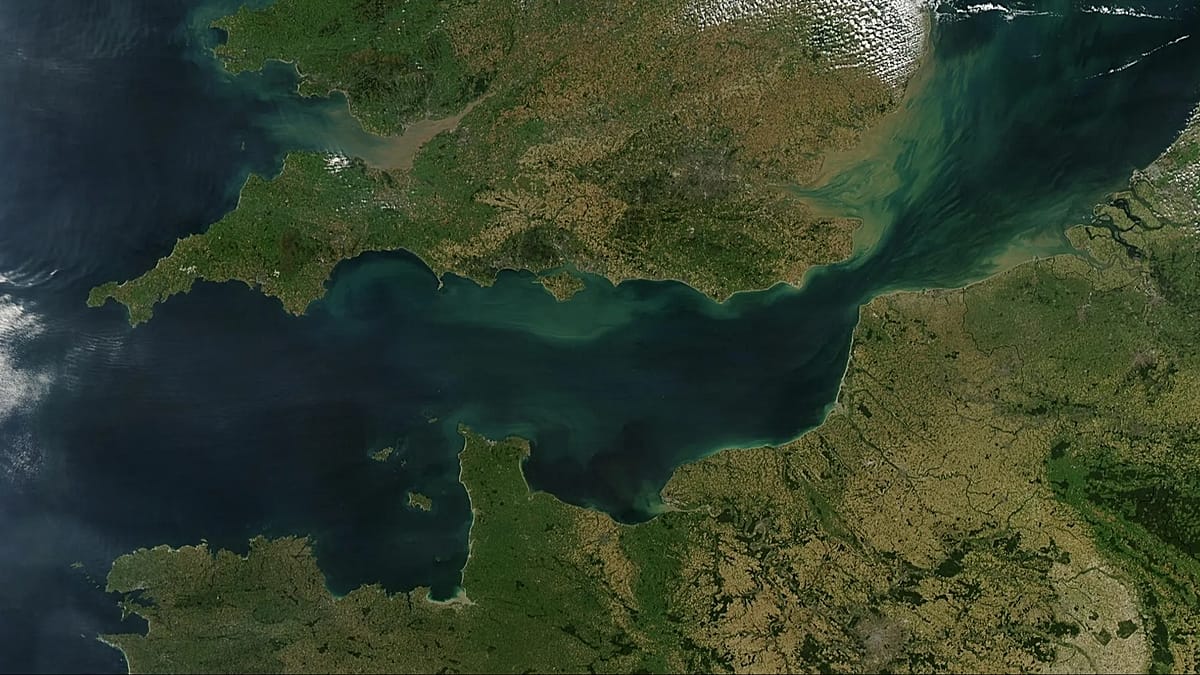
The UK Ministry of Defence is investigating the incident, which occurred roughly 20 nautical miles south of the Isle of Wight. A UK defence source told AFP that the yacht reported shots fired from a distance of 500 yards. This tactic mirrors “gray zone” warfare, where states use aggressive but non-lethal force to intimidate opponents without triggering a full-scale military conflict.
How will the UK enforce shadow fleet sanctions?
The UK is moving from passive sanctions lists to active physical interdiction. British commandos recently boarded the Smyrtos, a sanctioned oil tanker linked to Russia’s “shadow fleet.” This operation, which involved commandos fast-roping from helicopters in the dark, marks the first such UK-led boarding in the Channel.
The shadow fleet consists of aging tankers with opaque ownership, used to bypass G7 price caps on Russian oil. By physically intercepting these ships, the UK aims to create a tangible deterrent. This shift suggests that future enforcement will rely less on port-state controls and more on high-seas military operations.
For more on current maritime restrictions, see the Official UK Sanctions List.
What does the arrest of Captain Ajay Pant signal for global shipping?
Individual crew members now face direct criminal liability for sanctions evasion. British prosecutors charged Ajay Pant, the Indian captain of the Smyrtos, with contravening UK sanctions. Pant appeared at Southampton Magistrates’ Court via videolink, where he was remanded in custody pending a hearing at Bournemouth Crown Court on July 16.
Previously, sanctions were largely viewed as corporate risks. By targeting the captain, the UK is signaling that the “blind eye” approach to ship ownership will no longer protect the officers executing the voyages. This creates a significant legal risk for seafarers operating on shadow fleet vessels.
Comparison: Physical Interdiction vs. Tactical Harassment
The events in the English Channel demonstrate two different Russian and British strategies. While the UK is employing planned interdictions (like the Smyrtos boarding) to stop the flow of capital, Russia is using reactive harassment (like the yacht warning shots) to test Western nerves.
The Smyrtos operation was a targeted strike against a financial asset. The yacht incident, conversely, was a tactical skirmish in international waters. Together, these events show that the English Channel has become a primary theater for the geopolitical struggle between London and Moscow.
Frequently Asked Questions
What is the Russian “shadow fleet”?
It is a collection of older tankers with obscured ownership and insurance, used to transport Russian oil above the G7 price cap to avoid sanctions.
Can a warship fire shots in international waters?
Under international maritime law, warships can fire warning shots to signal a vessel to stop or change course if they believe the vessel poses a threat or is violating specific laws, though this is often contested by the targeted nation.
Who is Ajay Pant?
The 38-year-old Indian captain of the Smyrtos, who was charged by British prosecutors for violating sanctions against Russia.
Want to stay updated on maritime security and geopolitical trends? Subscribe to our daily intelligence briefing or share your thoughts on the legality of shadow fleet interdictions in the comments below.