
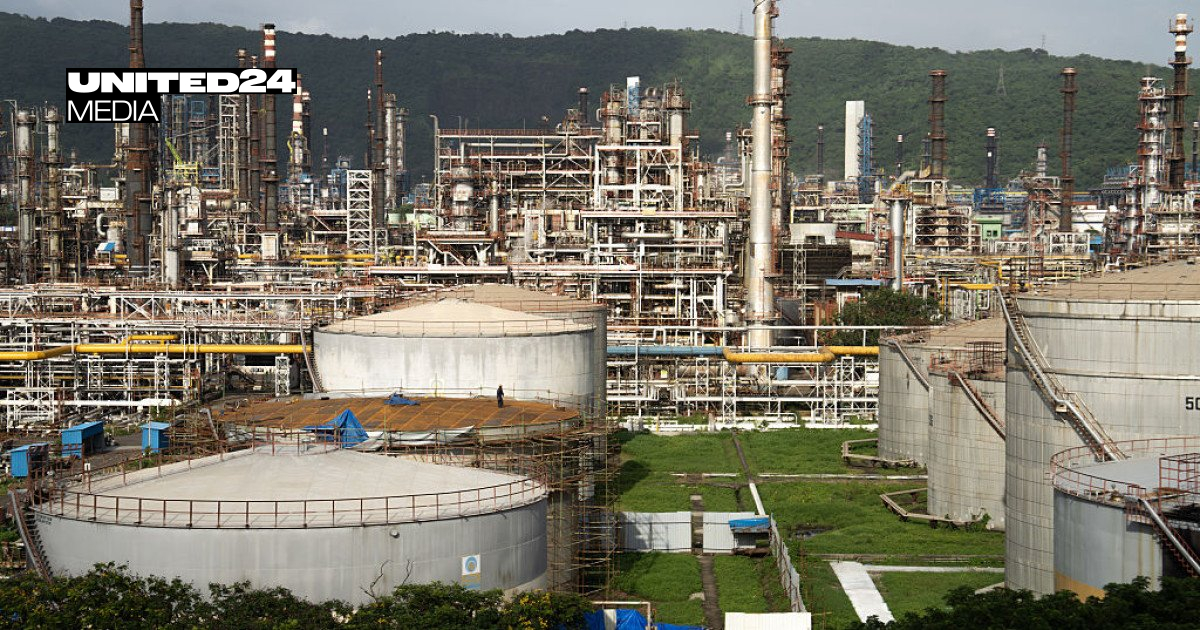
Russia to Import Gasoline From India Amid Fuel Deficit Following Drone Strikes
Russia is importing gasoline from India to bridge a 25,000-ton daily fuel deficit caused by Ukrainian drone strikes on its refining infrastructure, according to The Moscow Times. To stabilize domestic prices, the Kremlin is proposing state-funded subsidies for oil companies purchasing these foreign imports based on Indian benchmark prices.
Why is Russia importing gasoline from India?
Ukrainian aerial campaigns have crippled Russian energy processing. The Moscow Times reported that drone strikes knocked out 16 refineries in May and at least six more in June. This disruption pushed national oil processing volumes to a two-decade low.
The impact is measurable. Industry data cited by Reuters shows a 25% drop in manufacturing, creating a supply gap that equals 20% of Russia’s domestic consumption. During peak summer months, the Russian economy requires 110,000 tons of gasoline daily, but operational refineries currently produce only 85,000 tons.
How is the Kremlin funding these fuel imports?
The Russian government is moving to subsidize the cost of foreign fuel to prevent retail prices from surging. A draft amendment to the Russian Tax Code proposes state-funded payouts to oil firms that buy gasoline from abroad, The Moscow Times noted via Russian state media.
This legislation recently cleared the State Duma’s budget committee. It expands an existing eight-year-old “damper mechanism.” The state will calculate financial payouts based on indicative benchmark prices within the Indian market plus the cost of maritime delivery.
What is the “crude-to-gasoline” loop between Russia and India?
The reliance on India creates a peculiar economic circle. India has become the primary destination for seaborne Russian crude oil, with import volumes hitting a record 2.66 million barrels per day in June, according to The Moscow Times.
Indian refineries process this Russian crude into finished petroleum products. Russia is now essentially buying back its own natural resources in the form of refined gasoline to keep its domestic market functional.
Comparing the Supply Gap
| Metric | Requirement/Capacity |
|---|---|
| Summer Daily Demand | 110,000 tons |
| Current Daily Production | 85,000 tons |
| Daily Deficit | 25,000 tons |
How are fuel shortages affecting Russian citizens?
The refining crisis has led to strict fuel-sale restrictions in several administrative regions. In the Khanty-Mansi Autonomous Okrug, a primary oil-producing region, local authorities have capped gasoline and diesel sales.

Some dispensations are limited to as little as 40 liters per vehicle. These measures aim to stop panic buying and artificial speculation. In border regions, officials have banned the refueling of portable containers, attributing the disruptions to drone threats against delivery networks, according to The Moscow Times.
Frequently Asked Questions
Why can’t Belarus fill the fuel gap?
According to The Moscow Times, the 25,000-ton daily deficit is too large for existing Belarusian import capacities to balance.
Which Russian regions are most affected?
The Khanty-Mansi Autonomous Okrug and various border regions have implemented strict limits on fuel purchases to prevent shortages.
What caused the drop in oil processing?
Ukrainian drone strikes targeted 16 refineries in May and at least six more in June, reducing manufacturing by 25%, per Reuters data.
What do you think about Russia’s reliance on India for refined fuel? Let us know in the comments below, or subscribe to our newsletter for more updates on global energy security.