
Russia Warns of More Strikes on Kyiv Amid Growing Concerns Over Belarus Involvement
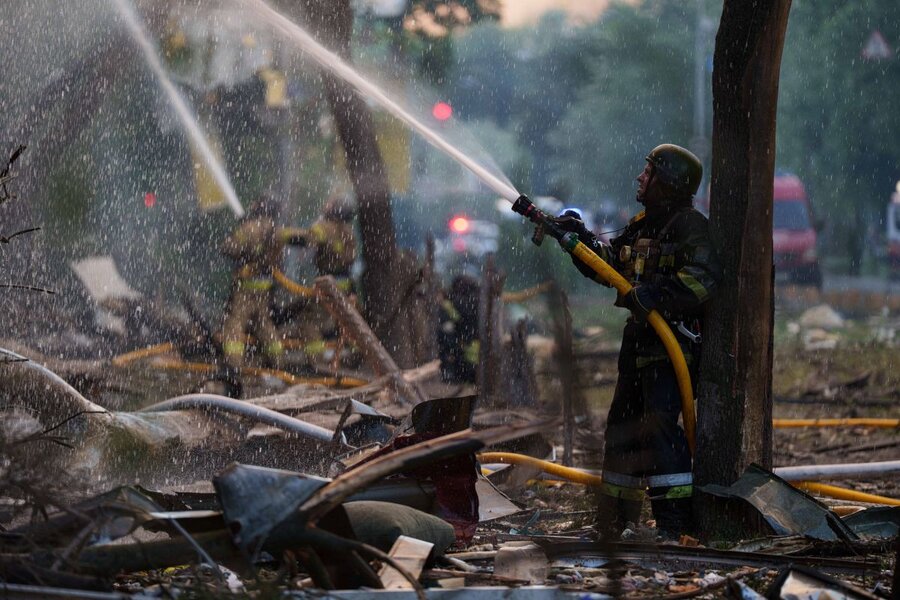
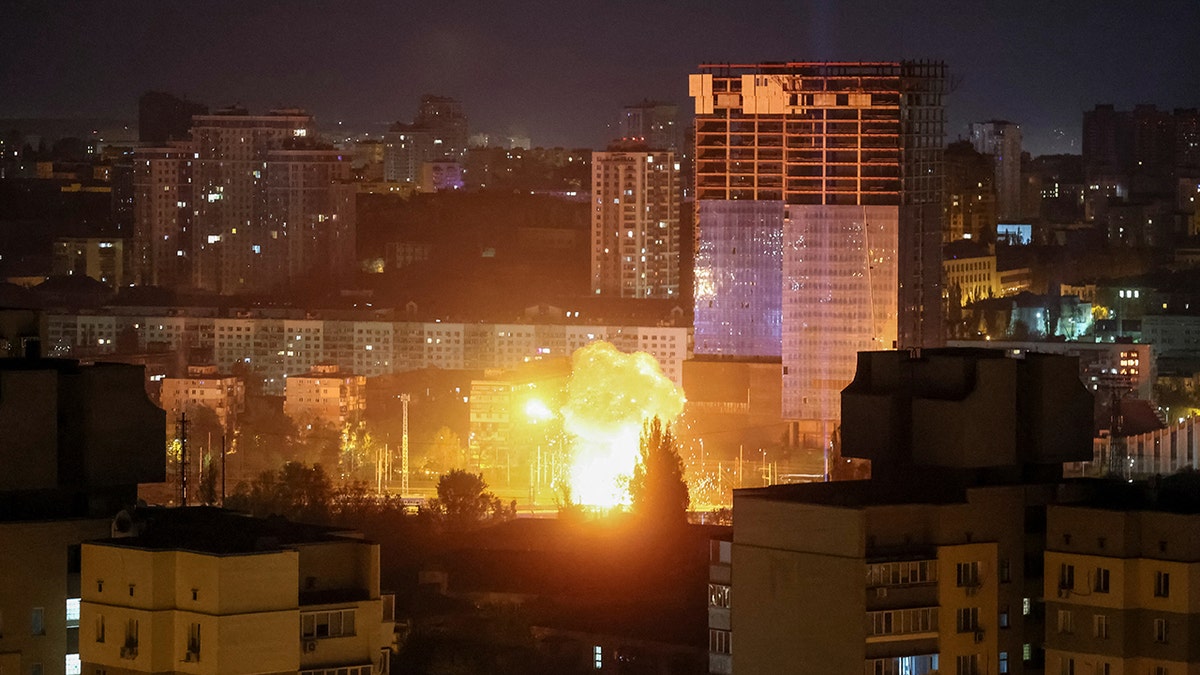
Kyiv is reeling from its most significant missile assault of the year, a barrage that has left the capital city covered in shattered glass and prompted urgent international concern. As Ukrainian authorities work to clear the wreckage, the geopolitical focus has shifted toward the potential for a renewed northern front, specifically regarding the role of Belarus in Moscow’s ongoing invasion.
The Shadow of Belarus
The situation on the ground remains volatile as Ukrainian President Volodymyr Zelenskyy warns that Belarus could serve as a launchpad for Russian forces. This concern is underscored by the recent joint nuclear drills conducted by Russia and its ally, Belarus, as well as the historical precedent of Russian troops crossing the border during the initial 2022 invasion.
French President Emmanuel Macron recently initiated a rare call with Belarusian President Alexander Lukashenko to discuss the risks of Belarus becoming further entrenched in the conflict. Meanwhile, exiled Belarusian opposition leader Sviatlana Tsikhanouskaya visited Kyiv, characterizing the current Belarusian leadership’s path as one defined by hybrid attacks and nuclear blackmail.
Did You Know?
Belarusian President Alexander Lukashenko has governed the nation of approximately 9.5 million people for more than three decades, relying heavily on the Kremlin for essential support including loans and cheap energy.
Escalation and Strategic Standoff
The weekend’s violence saw the use of the Oreshnik, a powerful hypersonic ballistic missile capable of carrying multiple warheads. With U.S.-made air defence systems in shorter supply due to competing global conflicts, Ukrainian officials are struggling to intercept these advanced weapons. The Russian Foreign Ministry has signaled that further “systemic strikes” on Kyiv are likely, urging foreign citizens and diplomatic missions to evacuate the city.
European Union foreign policy chief Kaja Kallas stated that Russia has hit a dead-end on the battlefield, leading to the current strategy of targeting city centers. As the 1,250-kilometer front line remains in a costly stalemate, the international community is closely monitoring whether the pressure on Moscow will lead to increased defensive support for Ukraine.
Expert Insight:
The current standoff suggests a dangerous evolution in the conflict, where the battlefield stalemate is increasingly driving Russia toward the use of high-tech weaponry against urban infrastructure. The diplomatic focus on Belarus indicates that Western leaders fear a widening of the war, where the integration of Belarusian territory into Russian strategic operations could force Ukraine to stretch its already strained defensive resources even further.
Looking Ahead
A possible next step involves increased diplomatic pressure on the Kremlin as Ukrainian Foreign Minister Andrii Sybiha continues to engage with international ambassadors to secure more air defence assets. Analysts suggest that if Russia follows through on its threats of continued strikes, the humanitarian crisis in Kyiv and other urban centers may deepen, further complicating the stalled international efforts to de-escalate the fighting.

Frequently Asked Questions
What was the target of the recent Russian missile strikes?
The strikes hit various locations across Kyiv, damaging residential buildings, schools, government offices, and a market. A separate missile strike hit a business in the city of Derhachi.
Why is the international community concerned about Belarus?
Leaders are concerned that Belarus could provide a launchpad for Russia to open a new front in northern Ukraine, a tactic previously used during the 2022 invasion.
Has there been any recent communication between Western leaders and Belarus?
Yes, French President Emmanuel Macron held a phone call with Alexander Lukashenko to discuss the conflict and the risks associated with Belarus’s involvement in the war.
How do you believe the international community should respond to the use of advanced hypersonic missiles against urban centers?