

Russian drones, missiles strike Ukraine in major attack; 11 dead, scores wounded
The recent barrage of hundreds of drones and missiles across Ukraine serves as a grim indicator of how the nature of modern warfare is shifting. As the conflict enters a new, more volatile phase, both sides are testing the limits of air defense technology and long-range precision strikes. This escalation is not merely a tactical maneuver; it is a preview of how future geopolitical conflicts will be fought in the age of autonomous systems and hypersonic weaponry.
The Evolution of Aerial Warfare: Drones as the New Baseline
The sheer scale of recent attacks—involving hundreds of drones launched in a single night—highlights a transition toward “saturation strikes.” By flooding the skies with low-cost, expendable drones, militaries can overwhelm traditional air defense systems, forcing them to exhaust expensive interceptor missiles on cheap targets.
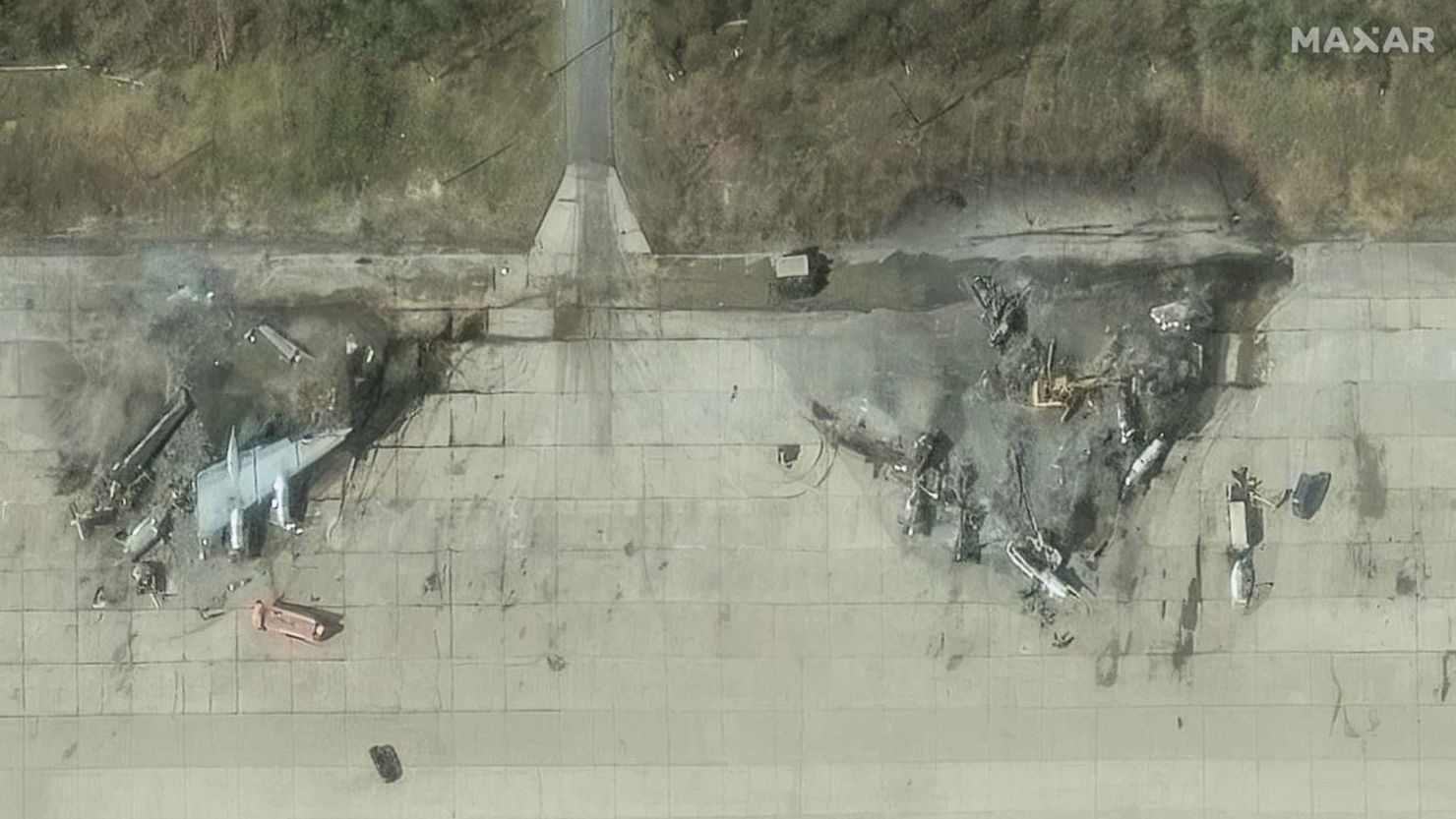
This trend suggests that future battlefields will prioritize “layered defense,” where electronic warfare, laser-based interceptors and kinetic systems must work in perfect harmony to secure airspace.
The Rise of Hypersonic Threats
The use of Zircon hypersonic missiles in these strikes marks a technological threshold. Traveling at multiple times the speed of sound, these projectiles leave virtually no reaction time for civilians to find shelter. As these weapons proliferate, the “strategic warning time”—the window between detecting a launch and impact—is shrinking toward zero.
What This Means for Infrastructure Security
Energy grids and high-density urban centres have become the primary targets. The shift from battlefield-focused strikes to the systematic targeting of civilian energy infrastructure is a strategy designed to break the collective morale of a population. For urban planners and government officials globally, this necessitates a new approach to “resilient design,” including decentralized power grids and reinforced underground infrastructure.
Proactive Measures: How Nations Are Adapting
While the situation on the ground remains dire, military analysts are observing several key trends that will define future national security strategies:
- Decentralized Power Generation: Moving away from massive central power plants toward micro-grids that are harder to disable simultaneously.
- AI-Driven Early Warning: Utilizing machine learning to predict missile trajectories and automate siren warnings, potentially saving thousands of lives.
- Public Shelter Modernization: Retrofitting existing subway systems and basements to act as hardened, long-term shelters equipped with air filtration and medical supplies.
Frequently Asked Questions (FAQ)
- Why are hypersonic missiles considered a game-changer?
- Hypersonic missiles travel at speeds exceeding Mach 5 and possess high maneuverability, making them extremely difficult for current radar and interception systems to track and destroy.
- How do countries defend against saturation drone attacks?
- Defense involves a combination of electronic jamming to disrupt communication, short-range anti-aircraft guns, and high-energy laser weapons that can neutralize drones at a lower cost per shot.
- What is the long-term impact on urban living in conflict zones?
- The long-term impact includes a permanent shift toward building resilient, reinforced infrastructure and the normalization of deep-underground shelters for daily civilian use.
The shifting landscape of global conflict affects us all, from the economy to international security. What do you think is the most critical lesson the world should learn from these developments? Share your thoughts in the comments section below, or subscribe to our weekly intelligence briefing for in-depth analysis delivered to your inbox.