
Russia’s China Energy Lifeline Is Becoming a Noose
The Illusion of “No Limits”: Who Really Holds the Cards in the Sino-Russian Alliance?
For years, the global community has watched the growing proximity between Beijing and Moscow with a mixture of curiosity, and dread. The rhetoric has been consistent: a “no limits” friendship, a shared vision of a multipolar world, and a joint front against Western hegemony.
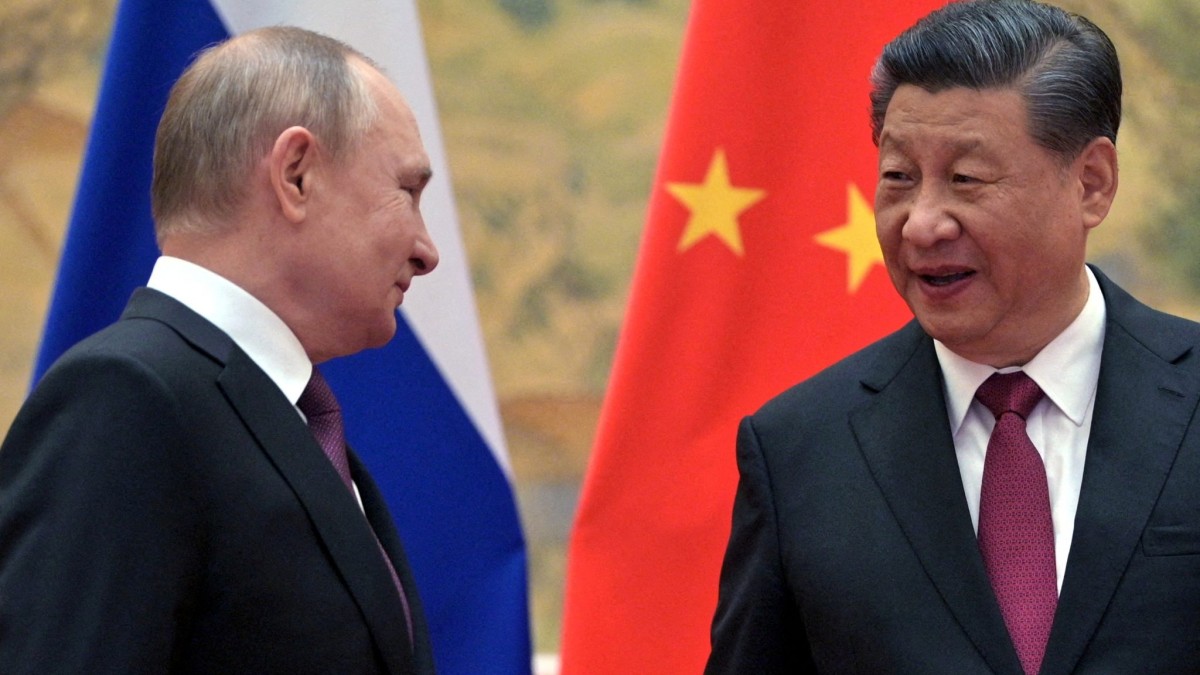
But if you look past the 47-page joint declarations and the choreographed handshakes, a much colder reality emerges. The relationship isn’t a partnership of equals; it is a masterclass in strategic leverage. While Vladimir Putin may see a lifeline, Xi Jinping sees a subordinate.
The balance of power has shifted decisively. With a nominal GDP nearly eight times larger than Russia’s, China is no longer just an ally—it is the primary benefactor of Russia’s international isolation. As Moscow finds itself boxed in by sanctions, Beijing is quietly rewriting the terms of the engagement.
The Energy Trap: Turning Moscow into a Discount Supplier
Energy has always been the bedrock of the Russia-China relationship, but the flow of oil and gas has become a one-way street of advantage. Russia’s desperation for buyers has allowed China to secure “predatory pricing” that saves Beijing billions of dollars annually.
Current market data suggests that Russian Urals crude often trades at a significant discount—sometimes as much as $12 per barrel—below the global Brent benchmark. For China, this isn’t just a trade deal; it’s a massive subsidy for its industrial growth.
The Power of Siberia Standoff
The most telling example of this power imbalance is the stalled progress on the Power of Siberia 2 pipeline. Moscow desperately needs this infrastructure to offset the loss of European markets, but Beijing is in no rush.
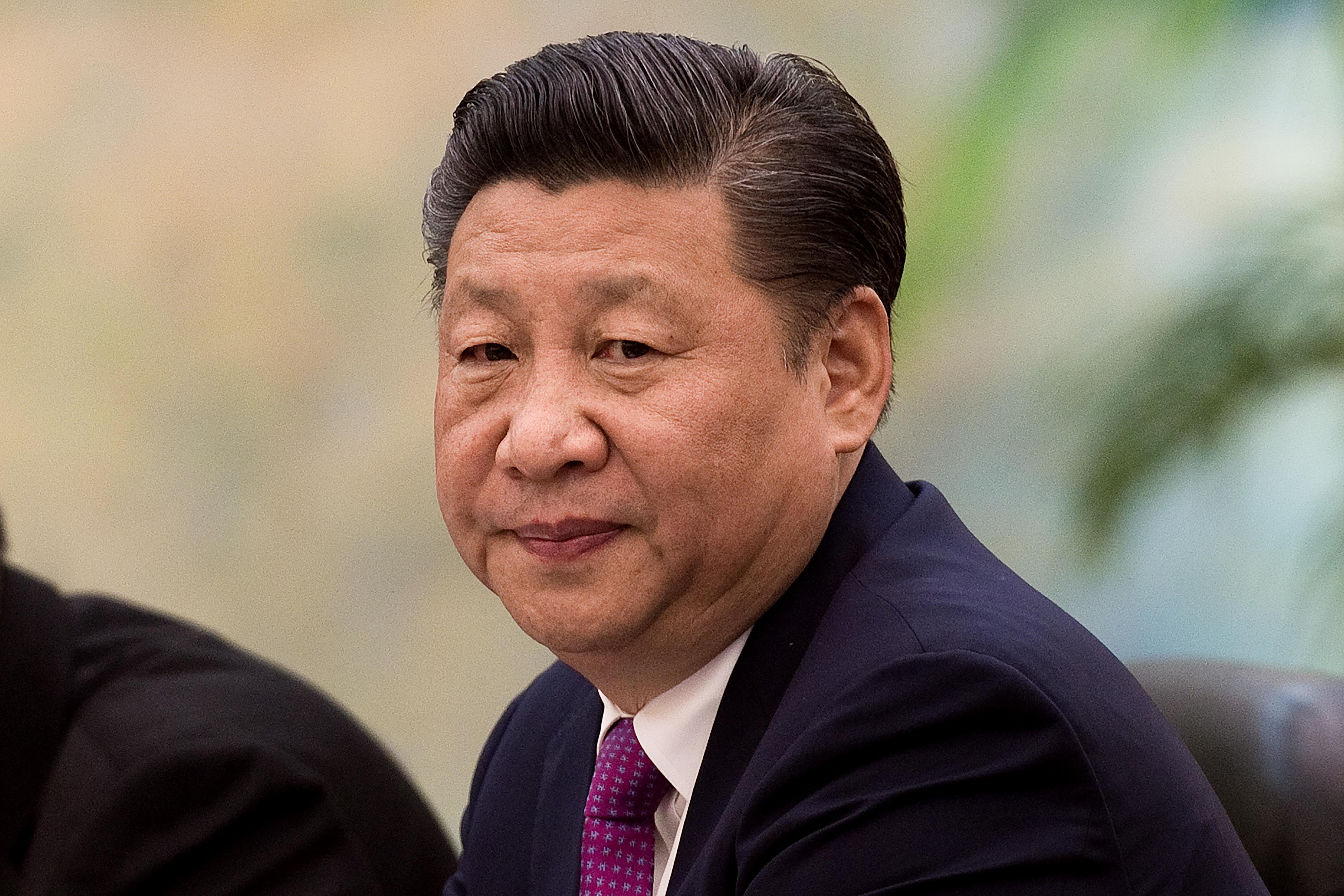
China is reportedly demanding prices close to Russia’s own domestic subsidized rates. For Gazprom, agreeing to these terms would mean losing money on every cubic metre exported. By withholding its sign-off, Xi Jinping is signaling that Russia’s energy security is secondary to China’s economic gain.
For more on how this affects global pricing, explore our analysis of global energy market trends.
Technology as a Lifeline—and a Leash
Russia’s military-industrial complex is currently breathing through a Chinese ventilator. From high-end components in hypersonic missiles to engines for long-range suicide drones, the dependency is absolute.
However, this reliance creates a dangerous vulnerability for the Kremlin. If Beijing decides to tighten the screws or impose its own “red lines,” Russia’s ability to sustain a high-intensity conflict could evaporate overnight.
This is the essence of Xi’s strategy: provide just enough support to keep Russia viable as a buffer against the West, but not enough to make Russia independent of Chinese influence.
The Silent Conquest: The Long Game in the Far East
While the world focuses on the battlefields of Ukraine, a quieter, more patient strategy is unfolding in Russia’s Far East. There is growing evidence that Beijing is pursuing a “stealth reclamation” of territories that were part of the Qing Empire in the 19th century.
China isn’t using tanks to reclaim this land; it’s using maps and leases. State-approved Chinese maps have begun labelling Russian cities by their historical Chinese names—for example, referring to Vladivostok as Haishenwai.
Simultaneously, Chinese firms are securing long-term leases on farmland, timber, and mineral assets north of the Amur River. They are locking in direct access to the Sea of Japan through port infrastructure. No borders are being redrawn today, but the economic and cultural gravity of the region is shifting steadily toward Beijing.
Future Trends: Is Russia Becoming a Satellite State?
Looking ahead, the trajectory suggests a deepening asymmetry. You can expect three primary trends to define the next decade:
- Economic Integration by Absorption: As Russia’s economy becomes more “Yuan-ized,” Moscow will lose the ability to conduct independent monetary policy, effectively tying its financial fate to the People’s Bank of China.
- Strategic Buffering: China will continue to use Russia as a “shield” to absorb Western sanctions and diplomatic pressure, while maintaining enough distance to avoid becoming a primary target itself.
- The Resource Colony Model: Russia may evolve from a global superpower into a specialized resource colony, providing the raw calories (oil, gas, minerals) that fuel China’s ascent to the top of the global hierarchy.
For a deeper dive into the geopolitical implications of this shift, visit the Council on Foreign Relations for expert policy analysis.
Frequently Asked Questions
Is the China-Russia alliance permanent?
It is a marriage of convenience, not conviction. The alliance lasts only as long as both sides derive benefit. Currently, China derives far more benefit than Russia.
Why doesn’t Putin just find other buyers for his oil?
Due to Western sanctions and the physical nature of pipeline infrastructure, Russia has very few alternatives. China is the only buyer with the scale and the willingness to take the risk.
Does China actually want to seize Russian land?
While there is no current military plan, the “stealth reclamation” strategy suggests that Beijing is preserving its historical claims for a future where Russia may be too weak to contest them.
What do you think?
Is Russia merely a pawn in Xi Jinping’s long-term strategy, or does Putin still have a card to play? Let us know your thoughts in the comments below or subscribe to our newsletter for weekly geopolitical briefings.