

Russia’s Economic Growth Set to Plummet Amid Ukraine War
The Illusion of Prosperity: Why Russia’s War Economy is Approaching a Breaking Point
For years, the St. Petersburg International Economic Forum served as a glittering stage, designed to project an image of Russian economic might and stability to the world. Yet, as the curtain rises on the latest gathering, the facade is cracking. Behind the polished rhetoric of the Kremlin, new data suggests the Russian economy is not just cooling—This proves stalling.
While the state continues to prioritize military production, leading economists and internal voices are beginning to warn of a looming stagnation. The transition to a “war economy” has created a short-term illusion of growth, but the long-term price tag is becoming impossible to ignore.
Pro Tip: When analyzing geopolitical economic shifts, look past the GDP growth figures. Often, state-funded military spending inflates GDP numbers while masking a decline in private consumption and standard of living.
The “Tank Paradox”: High Production, Low Value
A growing chorus of critics within Russia is highlighting a fundamental structural flaw: the “Tank Paradox.” Massive state investment is pouring into the defense sector, producing shells and armored vehicles at record rates. However, these goods do not contribute to the welfare of the Russian population.
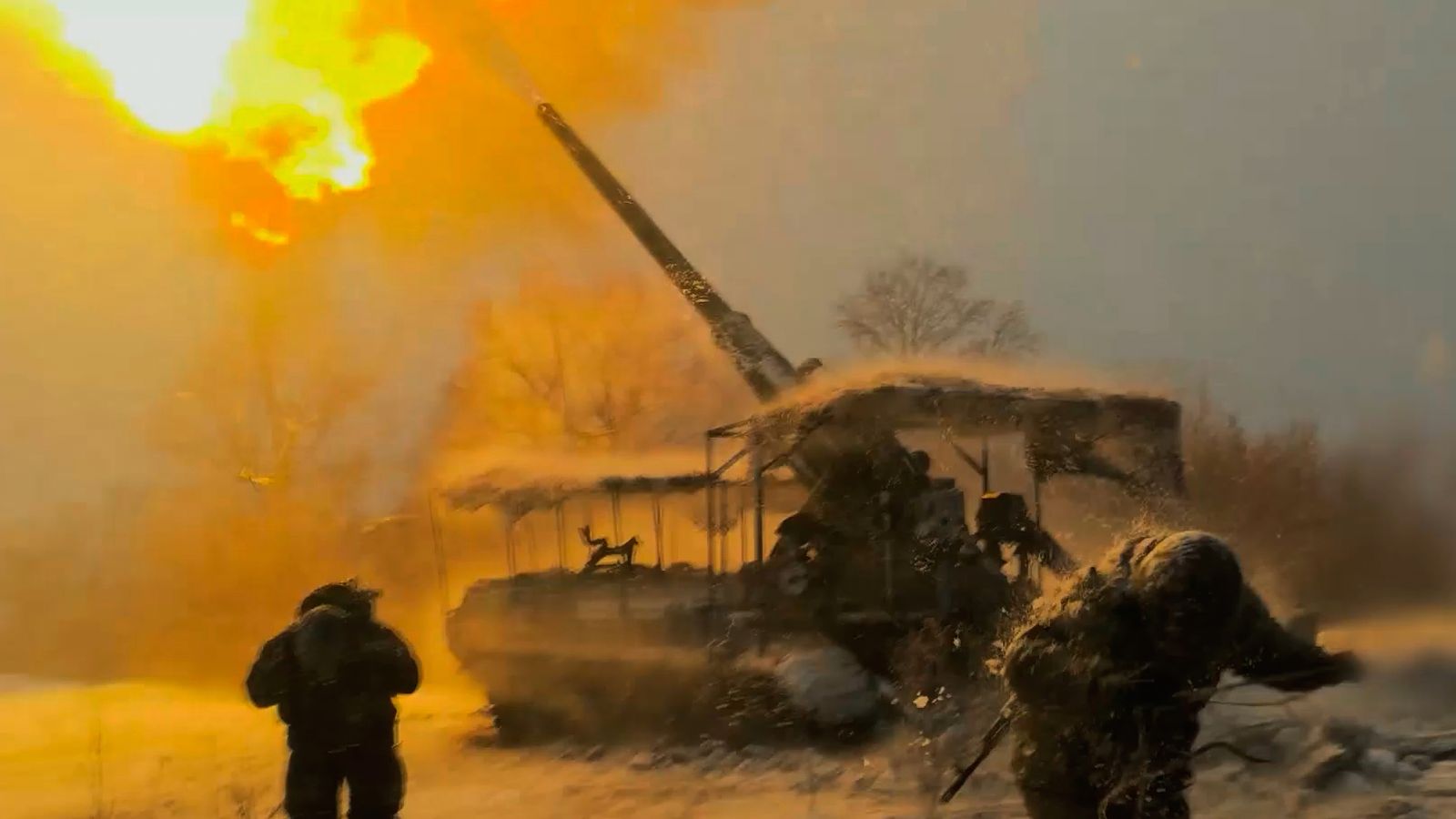
As Dumamember Renat Suleimenov pointed out, you cannot feed an economy with artillery. While the factories are humming, the average citizen is facing the consequences of high interest rates, inflation, and a lack of consumer goods. This is a classic case of capital misallocation—resources are being diverted away from innovation and infrastructure to fuel a conflict that offers zero return on investment for the average household.
Running on Empty: The Sberbank Warning
The warnings are no longer coming just from external observers. Even within Russia’s own financial institutions, the mood has shifted. Mikhail Matovnikov, a top analyst at Sberbank, recently delivered a sobering assessment: the state is rapidly depleting its economic toolkit.
With Western sanctions tightening and foreign investment effectively non-existent, the government has little room to maneuver. The traditional levers of economic stimulation—budgetary injections and bank lending—are losing their efficacy. Without an external boost, which remains unlikely under current geopolitical conditions, the trajectory points toward a long, grinding period of economic contraction.
Did you know? Historically, economies that pivot entirely toward wartime production often face a “reconversion crisis” once the conflict ends, as transitioning military factories back to civilian manufacturing requires massive capital and time.
The High Cost of Dissent
In this environment, speaking truth to power has become a dangerous endeavor. The history of the past few years is littered with the names of prominent business leaders and officials who met untimely ends after questioning the direction of the state. This culture of fear has stifled the open economic debate necessary for course correction, leaving the Kremlin in a feedback loop where only positive, state-sanctioned narratives are tolerated.
Frequently Asked Questions (FAQ)
Why is Russia’s economic growth slowing down?
Growth is slowing primarily due to the redirection of resources toward the war effort, high interest rates, international sanctions, and a severe lack of foreign investment, which limits long-term industrial modernization.
What is the “war economy” effect?
A war economy prioritizes the production of military goods. While this can temporarily boost GDP figures, it creates a “hollow” economy that does not produce goods for consumers, eventually leading to inflation and a decline in the standard of living.
Can Russia recover without ending the war?
Most economists argue that without an end to the conflict and the subsequent lifting of sanctions, Russia will struggle to regain access to global capital markets and technology, making a return to sustainable, non-military growth highly unlikely.
What are your thoughts on the future of global energy and trade markets? Join the conversation in the comments section below or subscribe to our weekly newsletter for deep-dive analysis on the trends shaping our world.