
Russia’s Future War Scenarios and the New European Defense Strategy
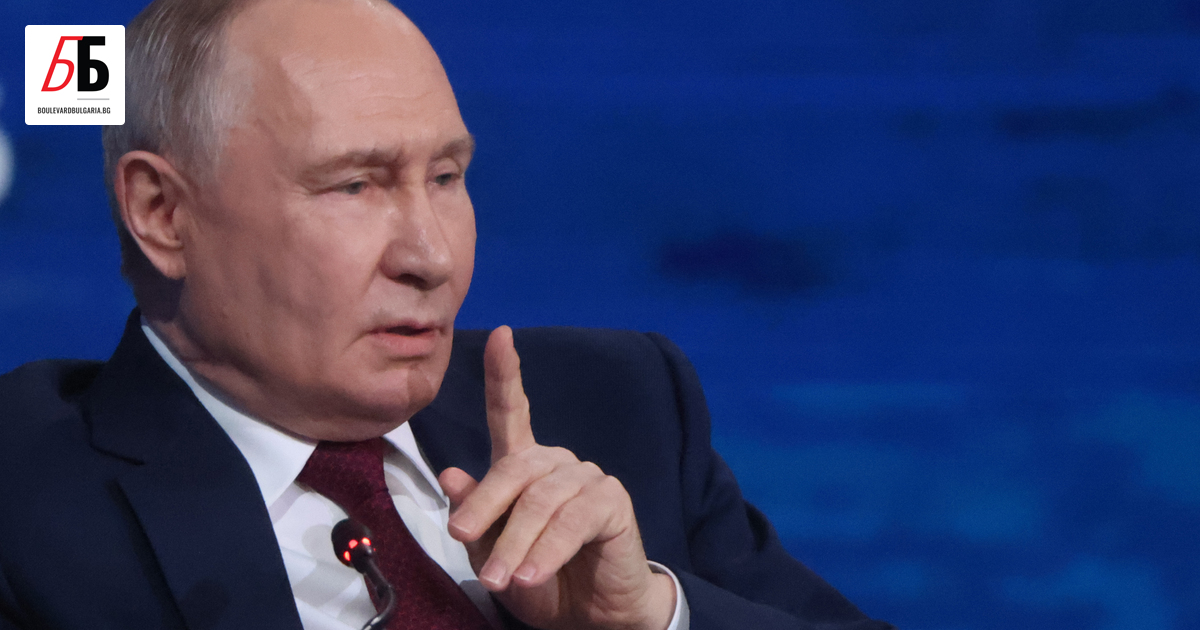
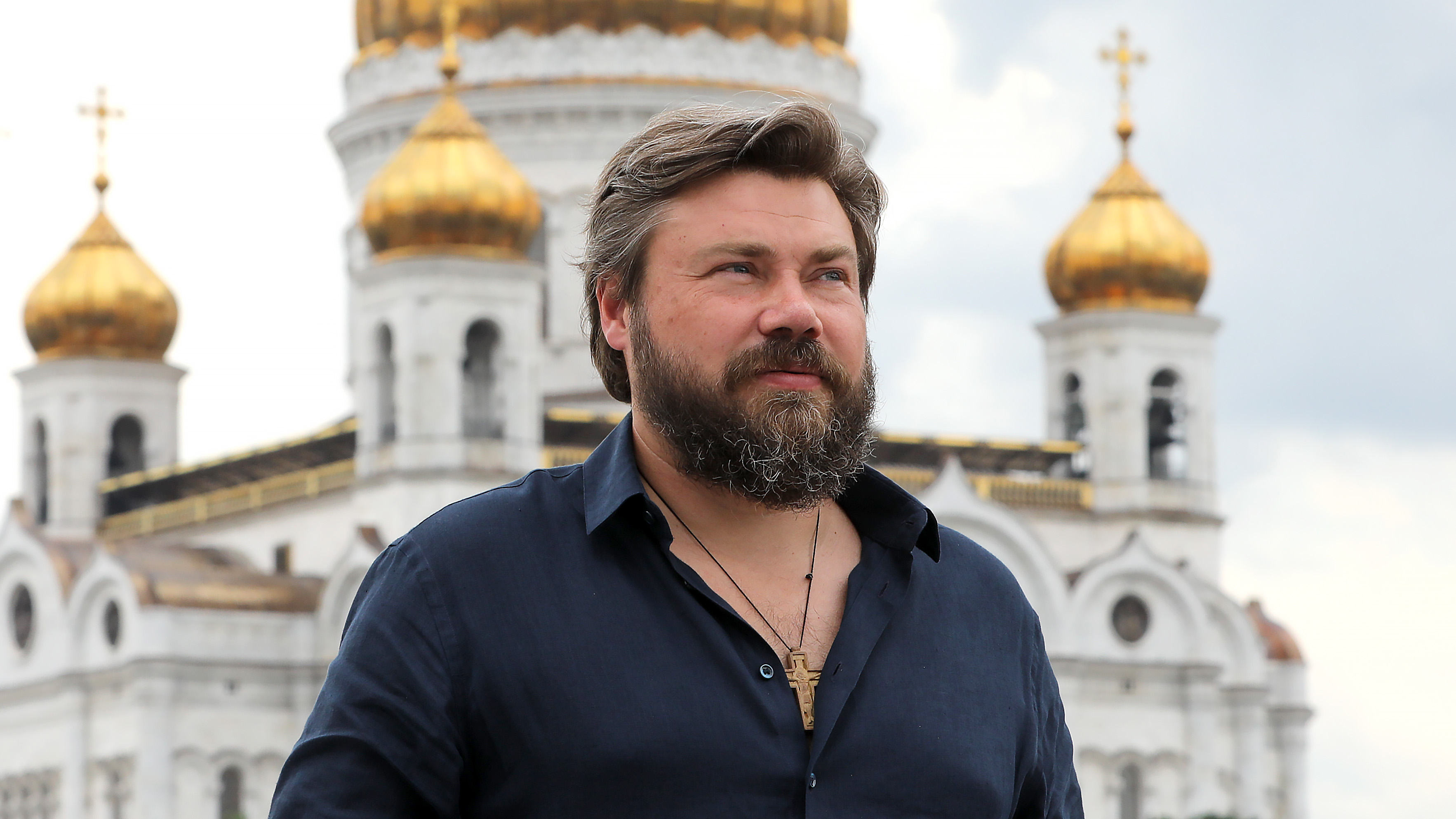
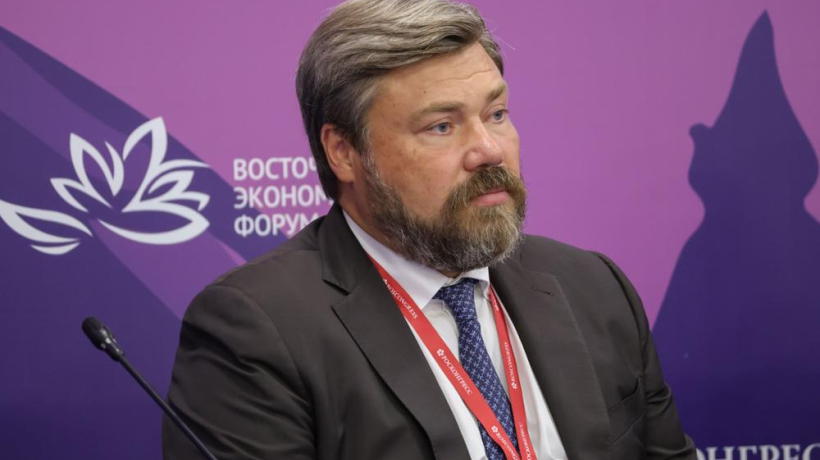
At the recent Economic Forum in St. Petersburg, high-level discussions regarding the future of the Ukraine war revealed starkly contrasting strategic scenarios for the continent. Led by ultranationalist media figure Konstantin Malofeev, the forum highlighted deep divisions, with participants weighing the possibility of a total geopolitical shift against the potential for an integrated, militarized European future.
Geopolitical Scenarios on the Table
The forum presented two divergent visions for the coming decades. The “good” scenario, from the perspective of the organizers, involves Russia annexing key Ukrainian cities—Kyiv, Kharkiv, and Odesa—to establish a buffer zone and a new East-Slavic state. This outcome would likely trigger the collapse of the European Union and a return to the bipolar tensions of the Cold War.
Conversely, the “bad” scenario for Moscow envisions a Ukrainian victory and subsequent NATO membership. This path suggests the European Union could evolve into a formal military alliance by 2050. These projections arrive as the conflict grows increasingly costly for Russia, marked by a cooling economy and the loss of 30,000 soldiers to death or severe injury in the last month alone.
The Shift in European Defense Strategy
European governments are increasingly preparing for the possibility of a direct conflict with Russia before 2030. Amid waning confidence in the reliability of U.S. support, nations are pursuing regional cooperation to bolster security. This shift is already visible in Northern Europe, where Scandinavian and Baltic countries have begun integrating training and defense capabilities.
The urgency is compounded by localized security breaches, such as a Russian drone strike that ignited a residential building in the Romanian city of Galatz, injuring two. Similar incidents, including the incursion of over 20 Russian drones into Poland last September, have prompted calls for a transition toward high-tech military industrialization.
What Happens Next
As the war persists without a clear front-line breakthrough, pressure is mounting within the Russian business elite to reconsider the current trajectory. However, with planning for future military operations reportedly underway in Moscow, regional military integration in Europe is likely to accelerate.
Analysts expect that countries will continue to seek out regional partners with similar risk assessments to optimize defense spending. Whether individual nations, such as Bulgaria, will effectively integrate European funding tools like SAFE into their national budgets remains a primary question for domestic policy in the coming months.
Frequently Asked Questions
What are the two primary scenarios presented at the St. Petersburg Economic Forum?
The “good” scenario entails Russian annexation of Kyiv, Kharkiv, and Odesa, the creation of a buffer zone, and the collapse of the EU. The “bad” scenario involves a Ukrainian victory, NATO membership, and the transformation of the EU into a military alliance by 2050.
Why is the war becoming more difficult for Russia to sustain?
The conflict is hampered by a slowing Russian economy, significant human casualties—30,000 in the last month alone—a lack of progress on the front lines, and growing skepticism among the Russian business elite.
How are European nations responding to the changing security environment?
Governments are increasingly forming regional mini-alliances to share defense capabilities and training, particularly in the Baltic and Scandinavian regions, as they prepare for the possibility of a broader conflict before 2030.
How should national governments balance their fiscal deficits with the urgent need for high-tech defense infrastructure?