
Russia’s Ghost Fleet and the Battle for the Øresund Strait
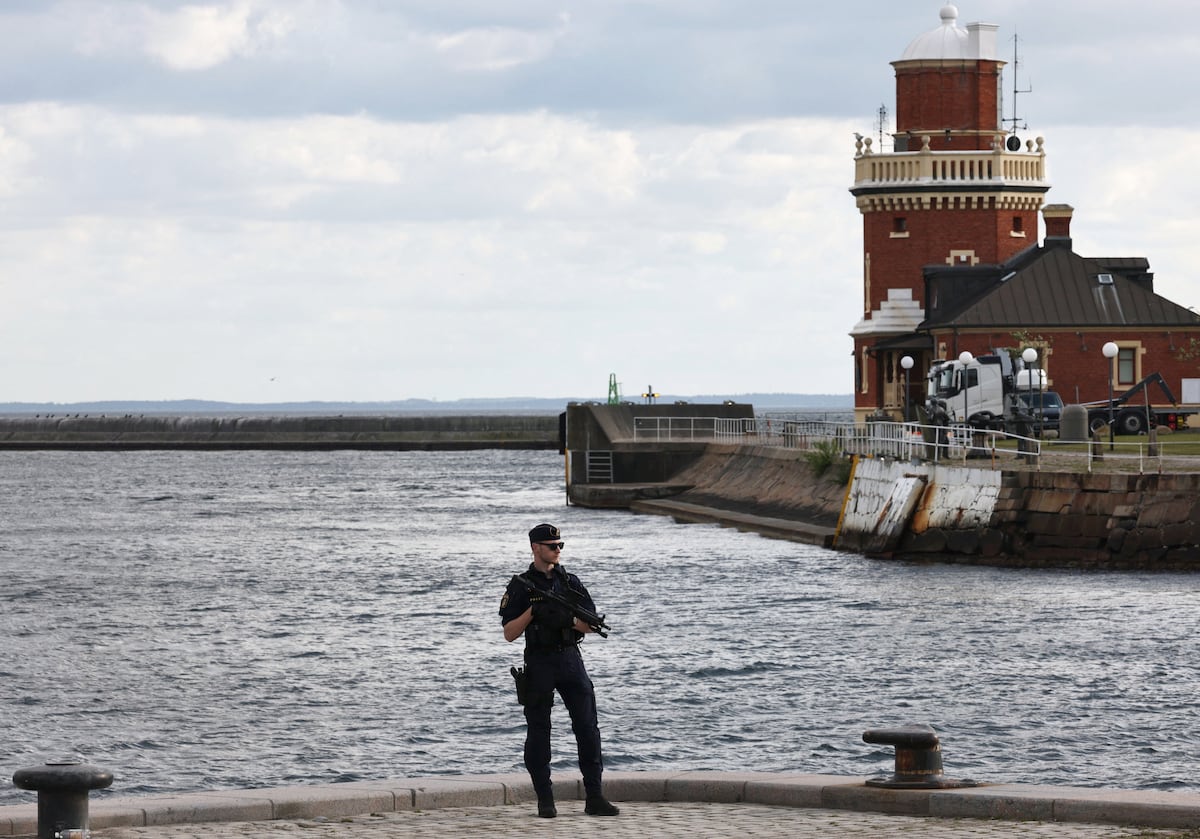
For generations, the 2.5-mile stretch of water between Helsingborg, Sweden and Helsingør, Denmark, was little more than a scenic backdrop for commuters and weekend tourists. Today, the Øresund Strait—a vital gateway between the Baltic Sea and the Atlantic—has transformed into one of the most critical flashpoints in the escalating hybrid war between Russia and NATO.
The Shadow Fleet: A New Maritime Threat
While the world watches land-based front lines, a silent, high-stakes game of cat-and-mouse is playing out at sea. Russia has deployed a “shadow fleet”—a collection of aging, opaque tankers designed to bypass international sanctions and transport hydrocarbons. These vessels are more than just an economic lifeline for Moscow; they are increasingly viewed as mobile platforms for subversion.
Recent data from the Danish Maritime Authority highlights the scale of the operation, recording nearly 300 voyages by sanctions-evading tankers through Danish territorial waters in a single year. These ships often operate with hidden ownership, frequently changing flags to evade tracking, and have been linked to instances of maritime sabotage, including damage to critical undersea data cables and power infrastructure.
The Baltic Sea has been dubbed a “NATO lake” following the accession of Sweden and Finland. This strategic shift has turned previously quiet coastal cities into vital hubs for maritime surveillance and Atlantic defensive architecture.
Hybrid Warfare Beneath the Surface
Experts like Elisabeth Braw of the Atlantic Council note that the Kremlin has moved beyond conventional naval engagements. Instead, they are utilizing “grey zone” tactics—actions that fall below the threshold of open war but cause significant, costly disruption. The use of the shadow fleet as a vector for espionage or as a means to manipulate navigation signals has forced Nordic nations to rethink their maritime security.
The danger is not just geopolitical; It’s environmental. These decrepit tankers, often lacking proper insurance or maintenance, pose a massive risk to the sensitive Baltic ecosystem. If a disaster were to occur, the lack of transparent ownership makes holding any entity accountable nearly impossible.
Strengthening the Northern Shield
In response to these threats, regional governments are tightening their grip. Sweden has recently expanded the powers of its Coast Guard, allowing for more rigorous inspections of vessels transiting through its exclusive economic zone. As Prime Minister Ulf Kristersson famously noted, the region is in a state where it is “not at war, but not at peace either.”
To stay updated on regional security shifts, follow the Center for Strategic and International Studies (CSIS) reports on maritime order and sanctions enforcement.
Frequently Asked Questions (FAQ)
What is the Russian “shadow fleet”?
It is a network of old, poorly regulated tankers used by Russia to transport oil and bypass international sanctions, often operating with obscured ownership and changing flags.
Why is the Øresund Strait so strategic?
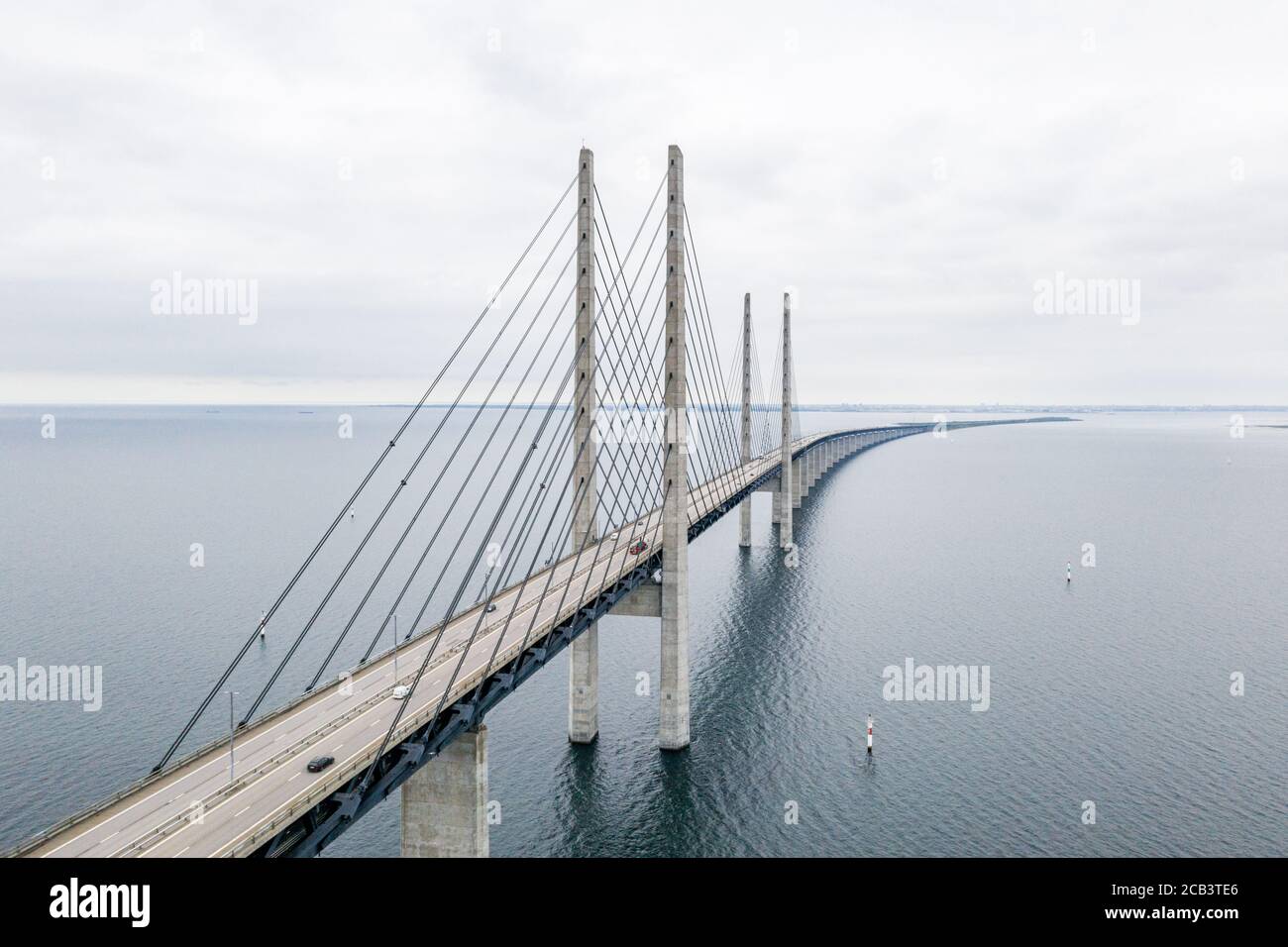
It is one of three primary gateways connecting the Baltic Sea to the North Sea and the Atlantic. Any ship entering or exiting the Baltic—including energy, cargo, and military vessels—must pass through these narrow corridors.
Are these ships a military threat?
While they are commercial vessels, intelligence reports indicate they carry armed contractors and are increasingly used for sabotage, such as tampering with undersea telecommunications cables and infrastructure.
What can Nordic countries do to stop them?
Under international maritime law, authorities are limited in how they can intervene. However, countries like Sweden and Denmark are legally expanding their ability to inspect vessels for environmental risks and insurance compliance to better secure their waters.
Stay Informed: The maritime landscape of the Baltic is changing rapidly. Subscribe to our Geopolitics Weekly newsletter to receive deep-dive analysis on NATO’s evolving defensive strategies and global security trends delivered directly to your inbox.