

Russia’s MAX Messenger and the Rise of the Splinternet
The Rise of the Splinternet: Why the Global Web is Fracturing
For decades, the internet was sold to us as the ultimate equalizer—a borderless digital utopia where information flowed freely from New York to Moscow to Beijing. But that era is officially over. We are witnessing the birth of the “Splinternet,” a phenomenon where the global network splits into regional blocs governed by different laws, technologies, and political ideologies.
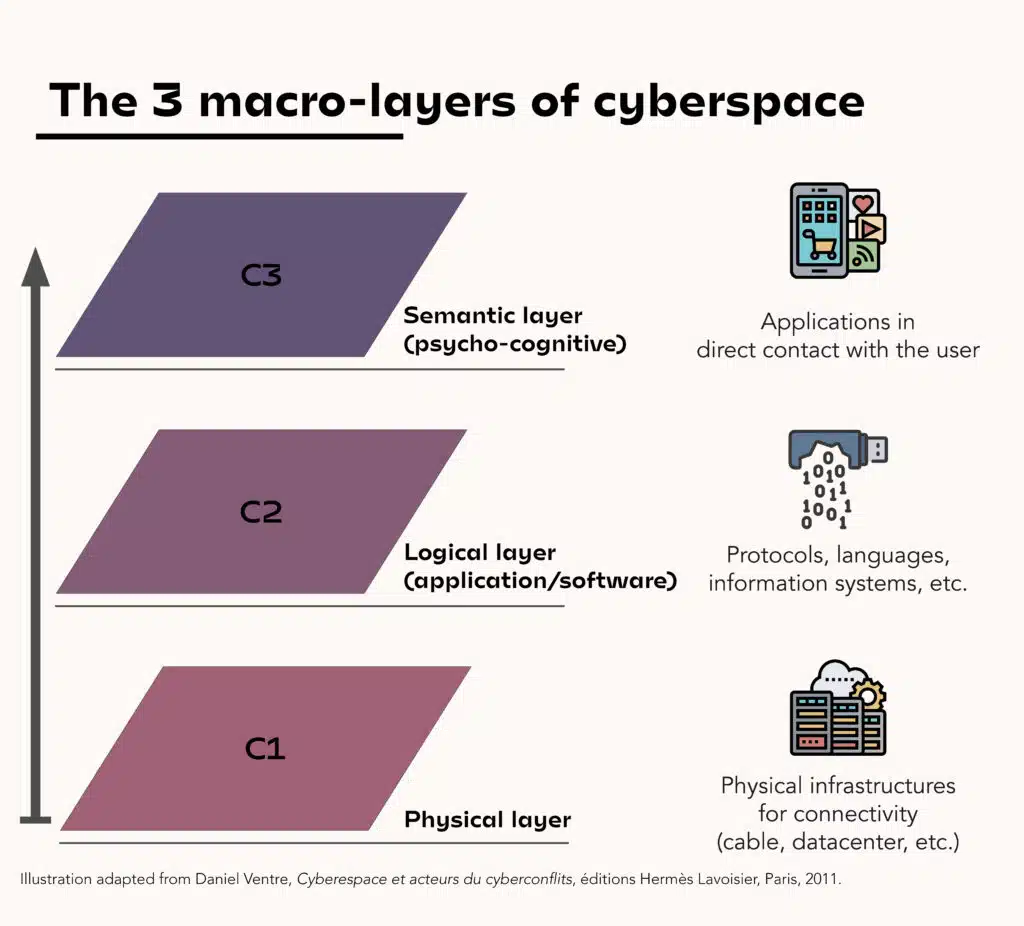
This isn’t just about censorship. it’s about digital sovereignty. Nations are realizing that depending on foreign infrastructure—whether it’s US-based cloud services like AWS or messaging apps like WhatsApp—is a strategic vulnerability. When a government can flip a switch and disconnect a population from its primary means of communication, the “borderless” web becomes a liability.
Beyond Messaging: The Integration of State and Software
The trend of national messengers is a gateway to something much larger: the State Super-App. We are seeing a shift where communication tools are no longer just for chatting; they are becoming the primary interface between the citizen and the state.
By integrating messengers directly with government portals, tax offices, and healthcare systems, states create an ecosystem that is nearly impossible to leave. When your identity, your legal documents, and your social circle are all tied to one state-sanctioned app, the cost of switching to a private alternative becomes too high for the average user.
This creates a “digital velvet glove”—convenience on the surface, but total surveillance underneath. As these platforms become mandatory in schools and government offices, the next generation will grow up knowing only one digital reality.
The Trust Deficit: Is End-to-End Encryption a Myth?
While states push for control, the trust in Western “secure” platforms is eroding. High-profile legal battles over end-to-end encryption (E2EE) have revealed a uncomfortable truth: the promise of absolute privacy is often a marketing tool rather than a technical reality.
When regulators or lawsuits suggest that “backdoors” exist for law enforcement or internal employees, it triggers a mass exodus of privacy-conscious users. This trust gap is exactly what allows state-run alternatives to gain traction. They don’t pretend to be private; they offer “security” in the sense of stability and official endorsement.
The Shift Toward TEEs and Localized AI
To counter this trust crisis, tech giants are pivoting toward Trusted Execution Environments (TEEs). These are secure areas of a main processor that guarantee code and data loaded inside are protected with respect to confidentiality, and integrity.
The goal is to allow AI integration—like AI chatbots in your messages—without the company actually “seeing” your data. However, as we’ve seen with recent outages of international AI tools in restricted regions, the hardware and cloud infrastructure supporting these features remain a geopolitical target.
AI Nationalism and the Battle for the Cloud
The fragmentation is extending into the realm of Artificial Intelligence. We are moving away from a few global LLMs (Large Language Models) toward AI Nationalism. Countries are now investing in local AI that reflects their own cultural values, language nuances, and political constraints.
The vulnerability of relying on foreign cloud infrastructure is becoming clear. If a nation’s AI runs on servers located in a rival superpower’s territory, that AI can be throttled or shut down instantly. This represents driving a massive push for local GPU clusters and domestic cloud sovereignty.
For businesses, this means the “one-size-fits-all” global software strategy is dead. Companies must now navigate a complex web of regional data residency laws and localized tech stacks to remain operational.
The Security-Connectivity Paradox
the drive toward technological autarky is fueled by physical insecurity. In an era of hypersonic missiles and hybrid warfare, communication lines are viewed as frontline defenses. A state that controls its own messenger, its own AI, and its own cloud is a state that can survive a total digital blockade.

This creates a paradox: the more we seek “security” through national borders, the more we lose the connectivity that made the internet valuable. We are trading universal access for regional stability.
Frequently Asked Questions
The Splinternet refers to the fragmentation of the internet into several smaller, isolated networks controlled by different governments, ending the era of a single, global web.
While some users rely on VPNs, governments are increasingly blocking these tools and implementing “Deep Packet Inspection” (DPI) to identify and throttle foreign traffic.
It prevents foreign powers from shutting down critical infrastructure, stealing national data, or influencing the population through controlled communication channels.
Is your digital footprint secure?
The landscape of online privacy is changing faster than ever. Don’t get left behind in the digital divide.
Join the conversation: Do you think digital sovereignty is a necessary safety measure or a tool for censorship? Let us know in the comments below or subscribe to our newsletter for weekly insights into the future of tech.