
Russia’s Military Build-up in Northern Europe: A Growing Risk for NATO
Russia is expanding its military infrastructure near the Baltic states and Scandinavia to prepare for potential large-scale conflict in Northern Europe, according to a report by Danish Radio (DR). NATO officials warn that a lack of modernized weaponry and reserves creates a high-risk window for the alliance over the next three years.
Why is Russia shifting to division-based military structures?
Russian military planners are moving away from brigade-based structures toward larger divisions. According to intelligence leaders in the Nordic region and NATO officials cited by DR, this shift isn’t a psychological tactic. It’s a practical move to sustain a long-term, large-scale war.
Brigades are designed for rapid deployment and flexible, short-term operations. Divisions, however, possess the logistical depth and manpower required for prolonged attrition. This transition suggests Moscow is preparing for a conflict that lasts years rather than weeks.
What makes the next three years a “risk window” for NATO?
Security experts warn that the period between now and three years from today is particularly dangerous. The primary reason is a gap in readiness. According to the DR report, NATO allies in Europe haven’t yet fully modernized their weaponry or expanded military production to match current threats.
While the alliance is increasing spending, the physical stockpiles of ammunition and critical reserves aren’t yet sufficient for a sustained confrontation. This creates a temporary vulnerability where Russian preparation is accelerating faster than Western procurement.
The troop numbers at the border
Marko Eklund, a former Finnish intelligence officer, states that Russia could station roughly 115,000 troops along European borders once the conflict in Ukraine ends. Eklund notes that Moscow maintains the capacity to quickly mobilize hundreds of thousands more experienced soldiers to bolster these positions.
How is Russian infrastructure expanding in Scandinavia and the Baltics?
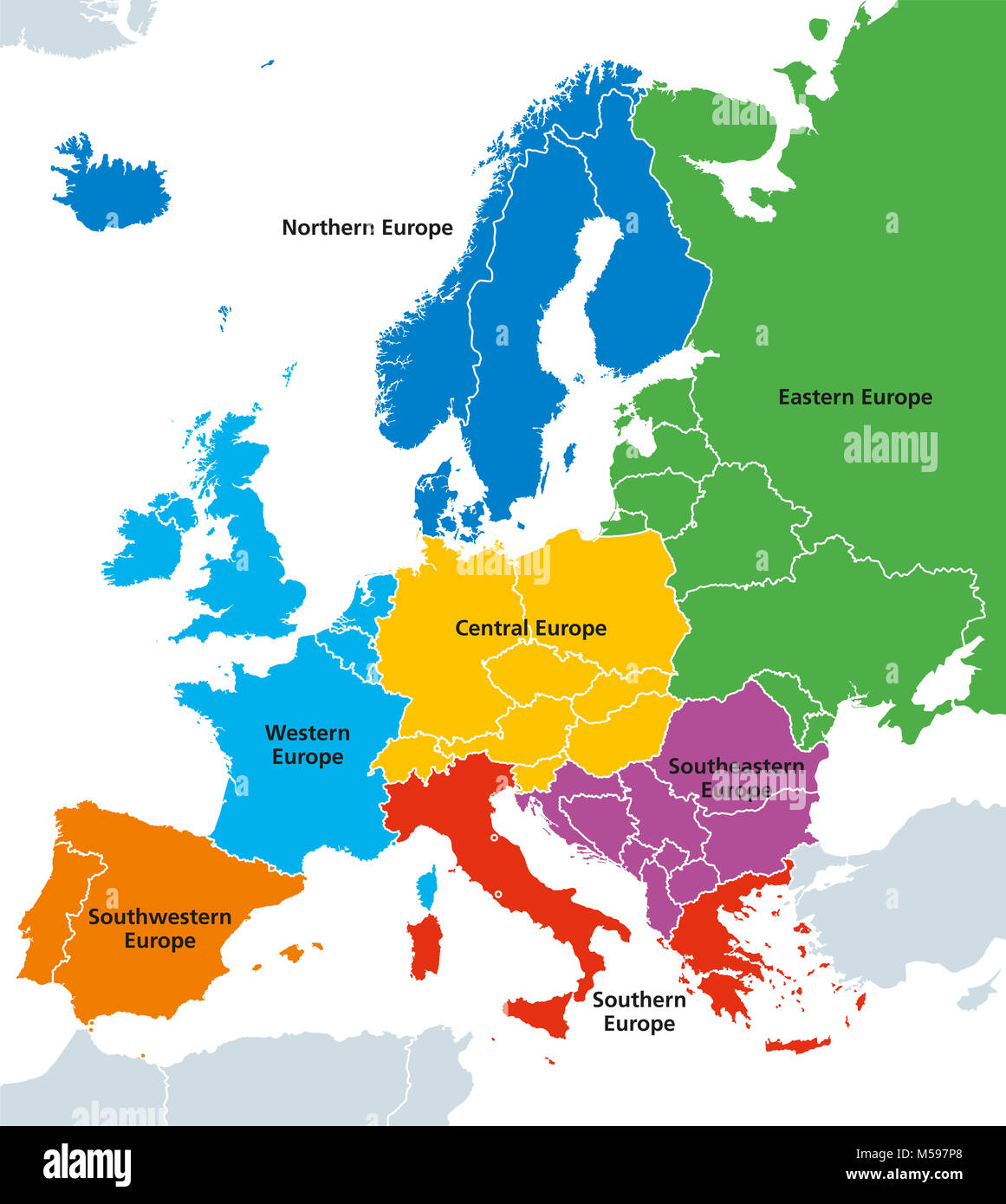
Satellite imagery and internal NATO documentation confirm the expansion of existing military sites and the creation of new bases. These developments are concentrated near the borders of Finland, the Baltic states, and other Scandinavian territories.
This build-up allows Russia to project power more effectively into Northern Europe. By establishing permanent infrastructure, Moscow reduces the time needed to move heavy equipment and personnel into strike positions.
How does Russia justify these military movements?
The Kremlin denies any plan to attack NATO members. Vladimir Barbin, the Russian ambassador to Denmark, claims these reports are designed to scare European populations. According to Barbin, the narrative is a pretext for the EU and NATO to ramp up their own war preparations.
This creates a stark contrast in framing: NATO intelligence views the infrastructure as a preparation for aggression, while Moscow frames it as a response to Western escalation.
Comparison: Intelligence vs. Official Statements
| Perspective | View on Infrastructure | Strategic Goal |
|---|---|---|
| NATO/Nordic Intel | Active expansion and division shifts | Preparation for large-scale war |
| Russian Embassy | Standard posture/Defensive | Response to NATO scare tactics |
Frequently Asked Questions
Is Russia planning an immediate attack on NATO?
Sources cited by DR indicate that no definitive decision to begin hostilities has been made, but the pace of military preparation is accelerating.
Why are “divisions” more dangerous than “brigades”?
Divisions are larger and better equipped for long-term warfare, whereas brigades are smaller and better for quick, short-term missions.
Which regions are most at risk?
The report highlights increased activity near Scandinavia and the Baltic states, specifically focusing on the borders of Finland.
What do you think about the current state of NATO readiness? Should European nations accelerate their military spending regardless of Russian denials? Let us know in the comments below or subscribe to our newsletter for more geopolitical analysis.