

Saharan Dust Heading to Southwest Florida: Impact on Hurricane Season
Beyond the Haze: How the Saharan Air Layer Shapes Our Future
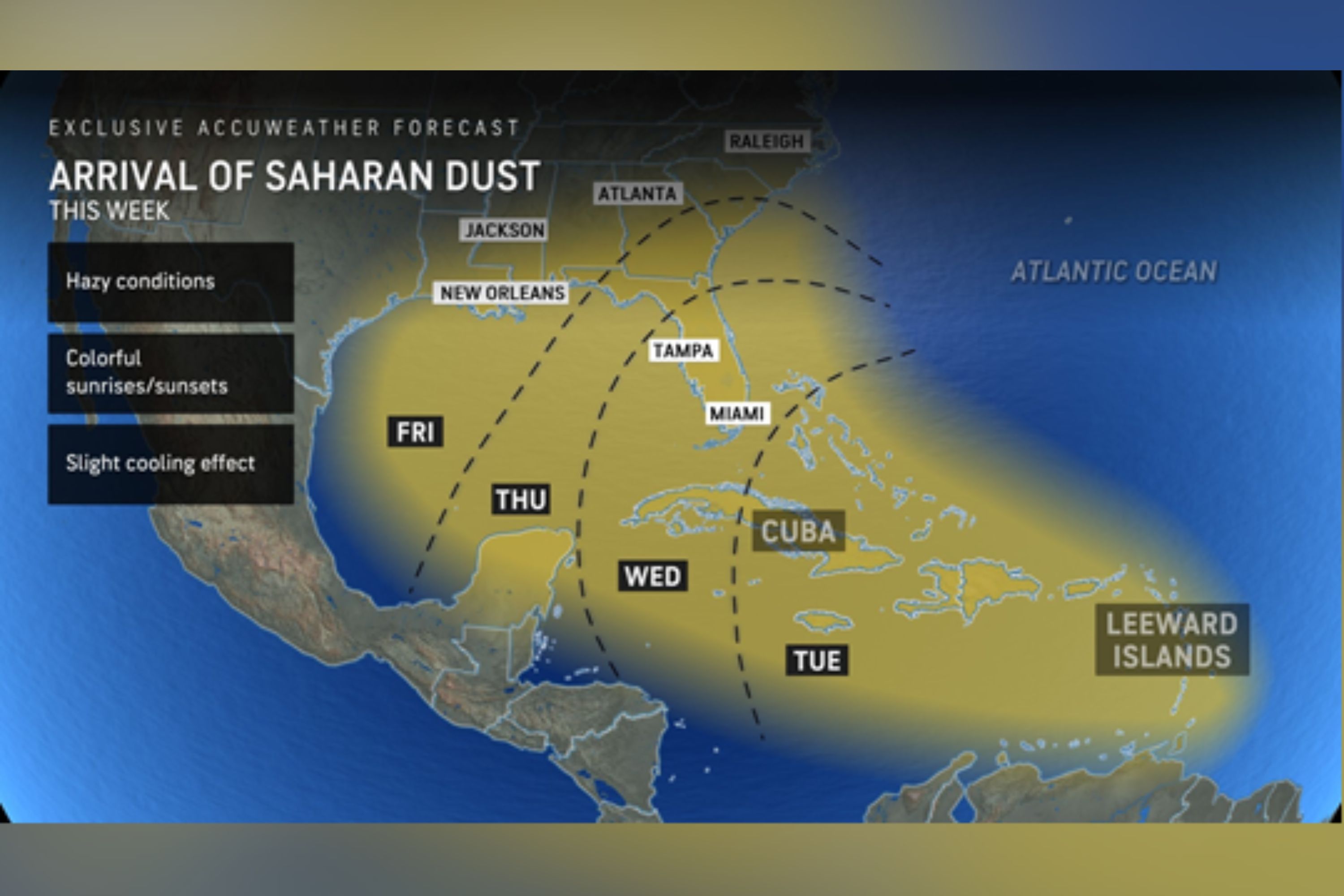
For many in Florida, the arrival of a yellowish tint in the sky and a fine layer of grit on their cars is just a seasonal quirk. But this phenomenon—the transport of dust from the Sahara Desert across 5,000 miles of the Atlantic—is far more than a cosmetic nuisance. This proves a complex atmospheric engine that dictates the intensity of our hurricane seasons and the quality of the air we breathe.
The Saharan Air Layer (SAL) is a massive plume of hot, dry air that acts as a planetary-scale regulator. As we look toward the future of Atlantic weather patterns, understanding the interplay between this African dust and our local climate is essential for long-term preparedness.
The ‘Invisible Shield’: Saharan Dust vs. Tropical Storms
One of the most critical roles of the SAL is its ability to act as a deterrent for tropical cyclones. Hurricanes thrive on warm, moist air and low wind shear. The Saharan Air Layer introduces the exact opposite: extreme dryness and strong upper-level winds.
When a developing tropical wave encounters a thick wedge of SAL, the dry air often “chokes” the thunderstorms that fuel the storm’s core. The increased wind shear can physically tilt a developing system, preventing it from organizing into a cohesive, rotating hurricane.
However, the future trend suggests a precarious balance. As global ocean temperatures continue to rise, the thermodynamic energy available for hurricanes is increasing. The big question for meteorologists is whether the SAL’s suppressive effects will be enough to offset the “fuel” provided by warmer waters.
Predictive Modeling and Early Warnings
We are seeing a shift toward more sophisticated satellite monitoring. By tracking the density and movement of the SAL in real-time, experts can now provide better forecasts on whether a burgeoning wave in the Atlantic is likely to be suppressed or if it will find a “gap” in the dust to intensify rapidly. For more on how to track these systems, check out our Guide to Atlantic Hurricane Tracking.

The Health Trade-off: Air Quality and Particulate Pollution
While the SAL might save us from a devastating storm, it brings its own set of challenges. The U.S. Centers for Disease Control and Prevention (CDC) identifies this dust as a form of particulate pollution. These tiny particles can penetrate deep into the lungs, triggering respiratory issues for sensitive populations.
Future trends indicate a higher awareness of “air quality days” in the Southeast. Much like the smoke from Canadian wildfires has recently impacted the U.S., Saharan dust events are increasingly being monitored via PM2.5 (fine particulate matter) sensors.
Visual Spectacles and Environmental Impacts
There is a silver lining to the dust: the aesthetics. Because the dust particles scatter shorter wavelengths of light, they create brilliant, deep-red sunsets and sunrises that are a staple of the Florida summer.
Beyond the views, the dust’s impact on visibility can make driving more challenging, particularly during the “haze days” when the sky turns a milky white. As urban density increases in Florida, the intersection of reduced visibility and high traffic volume becomes a growing safety concern for local municipalities.
Will the Dust Patterns Change?
Climate change is the wild card. Shifts in the African monsoon and changes in the strength of the Atlantic trade winds could alter how much dust reaches our shores. Some models suggest that increased desertification in North Africa could lead to more frequent or denser dust plumes, while others suggest shifting wind patterns may redirect the dust.
Regardless of the volume, the Saharan Air Layer remains a primary driver of the Atlantic’s atmospheric health. For a deeper dive into atmospheric science, the National Oceanic and Atmospheric Administration (NOAA) provides extensive data on the Saharan Air Layer’s annual cycles.
Frequently Asked Questions
Is Saharan dust dangerous to the general public?
For most people, it is a mild irritant. However, those with asthma, COPD, or other respiratory conditions may experience increased symptoms due to particulate pollution.
Does the dust stop all hurricanes from forming?
No. While the SAL suppresses many systems, it does not eliminate the threat. Some storms can develop around the dust or intensify once they move past the dry air layer.
Why does the sky look milky or yellowish during these events?
This is caused by the suspension of microscopic mineral dust particles in the atmosphere, which scatter sunlight and create a hazy appearance.
When is the peak time for Saharan dust in Florida?
Activity typically increases in mid-June and peaks between late June and mid-August, aligning with the heart of the Atlantic hurricane season.
Stay Ahead of the Weather
Do you notice the haze in your neighborhood, or have you captured one of those stunning red sunsets? We want to hear from you!
Share your photos and experiences in the comments below, or subscribe to our newsletter for real-time weather alerts and deep-dive analyses.