
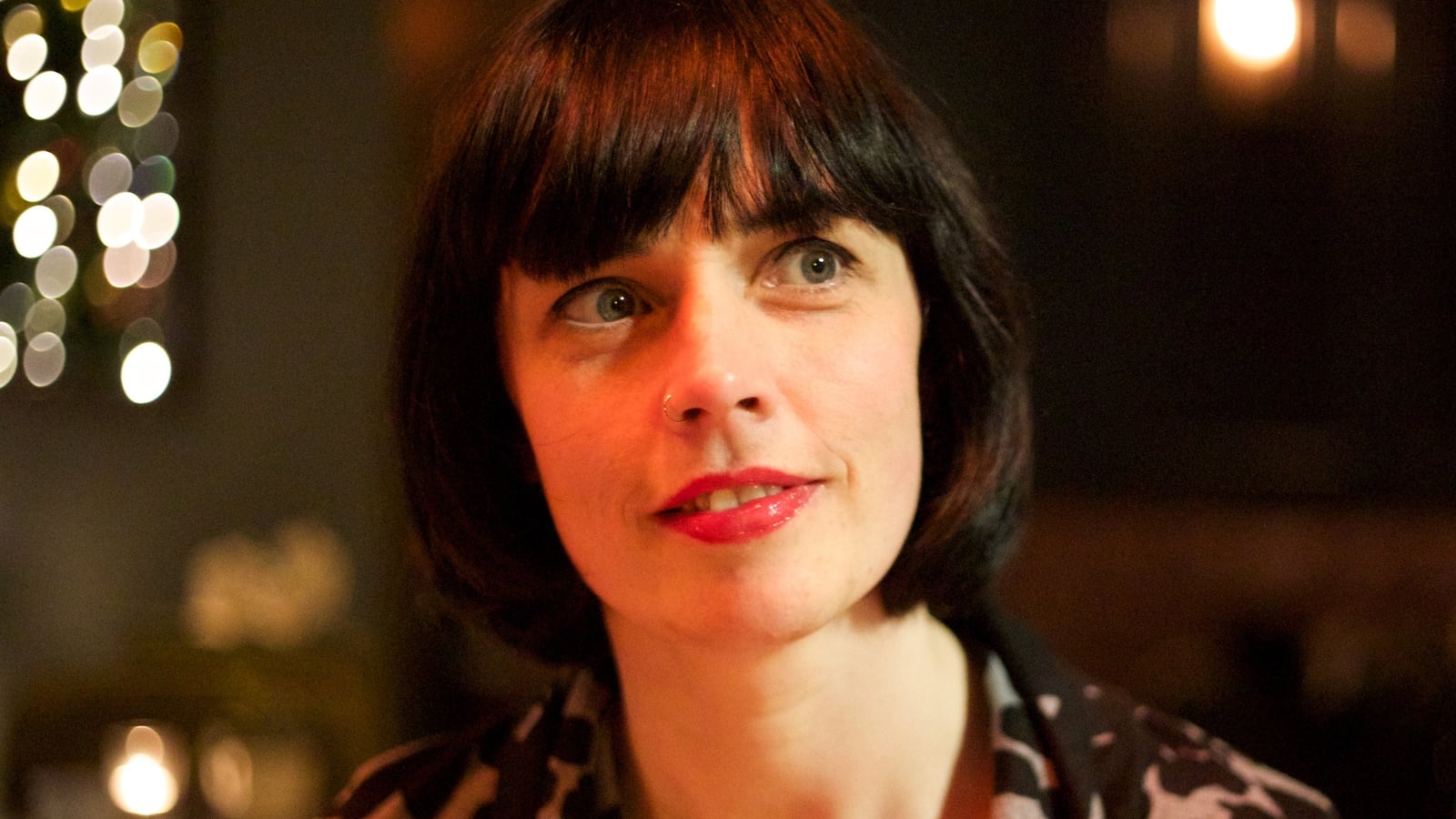
Said the Dead by Doireann Ní Ghríofa
The literary landscape is currently saturated with autofiction, a genre often defined by the influence of German author W.G. Sebald. For many, citing Sebald has become a shorthand for legitimacy, leading to a glut of works centered on predictable tropes like ayahuasca retreats, Brooklyn polycules, and aimless psychogeographic walks. This trend has left many readers weary of what feels like a repetitive cycle of “important” experiments emerging from writing workshops.
Beyond the Sebald Shadow
Doireann Ní Ghríofa’s latest work, Said the Dead, arrives as a necessary departure from this trend. While early American critics were quick to tether her writing to Sebald, her latest release proves that such comparisons are not only reductive but inaccurate. Rather than relying on the mimicry of established influences, Ní Ghríofa has refined her style into something far more singular.
Published by Faber, Said the Dead functions as a piece of postmodern necromancy. The book dramatizes the hidden history of a women’s mental institution in Cork, utilizing a time-fluid narrative structure that feels closer to the work of Virginia Woolf than the typical Sebaldian acolyte. It is a work that manages to be philosophical and emotionally generous without succumbing to the coldness or sentimentality often found in contemporary memoirs.
The Mechanics of History
Ní Ghríofa’s approach to subjectivity is particularly striking. By weaving her own gaze into the archival history of the institution, she blurs the lines between author and subject, fiction and non-fiction. As she observes, reading the archive is never a neutral act; it is an engagement with history that carries the weight of past traumas.
The significance of this work lies in its refusal to be categorized. By rejecting the “autofiction” label, Ní Ghríofa challenges the reader to engage with the text’s own phenomenology. It is a rare example of a book that feels simultaneously universal and inevitable, turning the process of historical inquiry into a visceral, living experience.
What Lies Ahead
As Said the Dead gains traction, it is likely to force a reassessment of how the literary press categorizes “important” new writing. If the success of this work continues to resonate, we may see a shift in critical discourse where authors are judged on their own merits rather than the perceived lineage of their influences. Ní Ghríofa’s success could encourage more writers to abandon the formulaic “Iowa workshop” approach, potentially leading to a wave of more formally daring and historically immersive fiction.
Frequently Asked Questions
What is the main critique of current autofiction?
The source argues that current autofiction relies too heavily on the influence of W.G. Sebald, resulting in repetitive, boring stories about topics like dating apps, psychogeography, and personal anecdotes that lack genuine originality.

How does Said the Dead differ from other contemporary works?
Unlike works that rely on established tropes, Said the Dead is described as “formally promiscuous” and a work of “postmodern necromancy.” It uses a time-fluid style to explore the history of a women’s mental institution in Cork, avoiding the coldness of typical experimental fiction.
What does the author suggest about the act of reading history?
Ní Ghríofa asserts that reading is never a neutral act. She notes that archival research is delicate and impactful, stating that “no matter how gently she might open a book, a tear torn decades before might grow a little more.”
How do you think the blurring of fiction and non-fiction changes the way we perceive historical truth?