
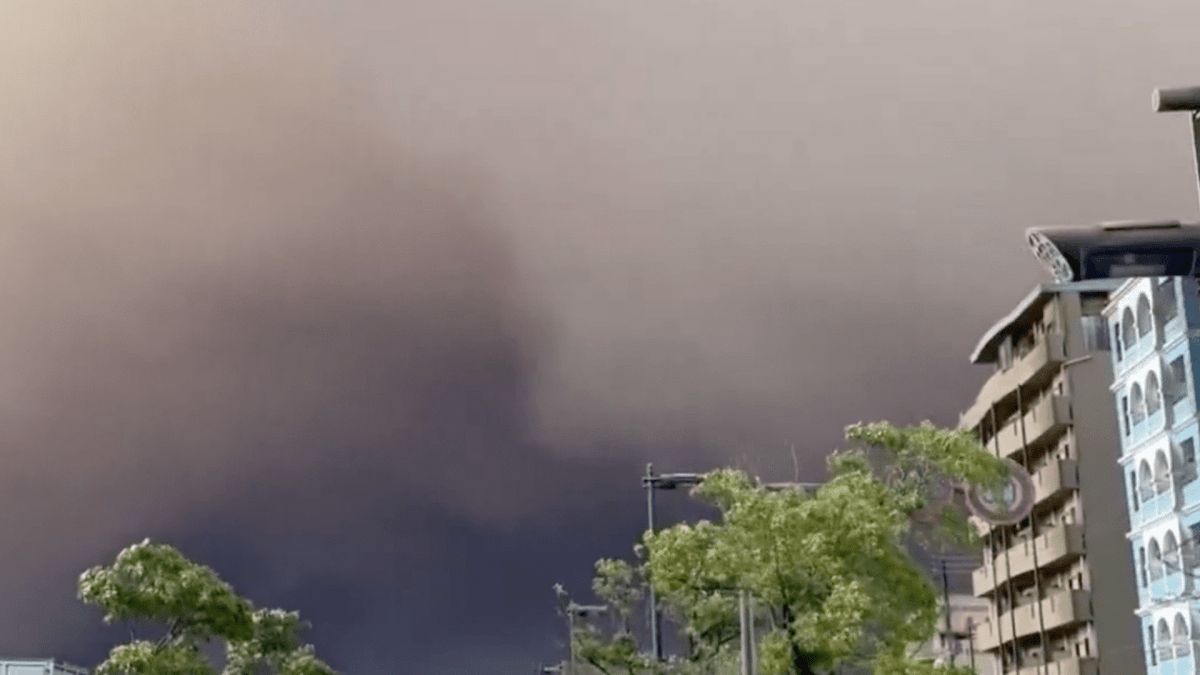
Sakurajima volcano erupts, covers Kagoshima in ‘grey rain
The Sakurajima volcano in Kagoshima prefecture recently erupted, producing a rare “grey rain”—a mixture of volcanic ash and rain that blanketed the city in thick mud. According to the Japan Meteorological Agency, the mountain continues to swell as the magma chamber pushes, a geological sign that often precedes larger-scale eruptions.
Why did the “grey rain” phenomenon happen in Kagoshima?
The “grey rain” wasn’t a typical storm. It occurred when volcanic ash, spewed from the crater for over an hour, mixed with falling rain. This created a sticky, grey mud that coated everything in its path. Strong easterly winds pushed the ash west, directing the fallout straight toward central Kagoshima.
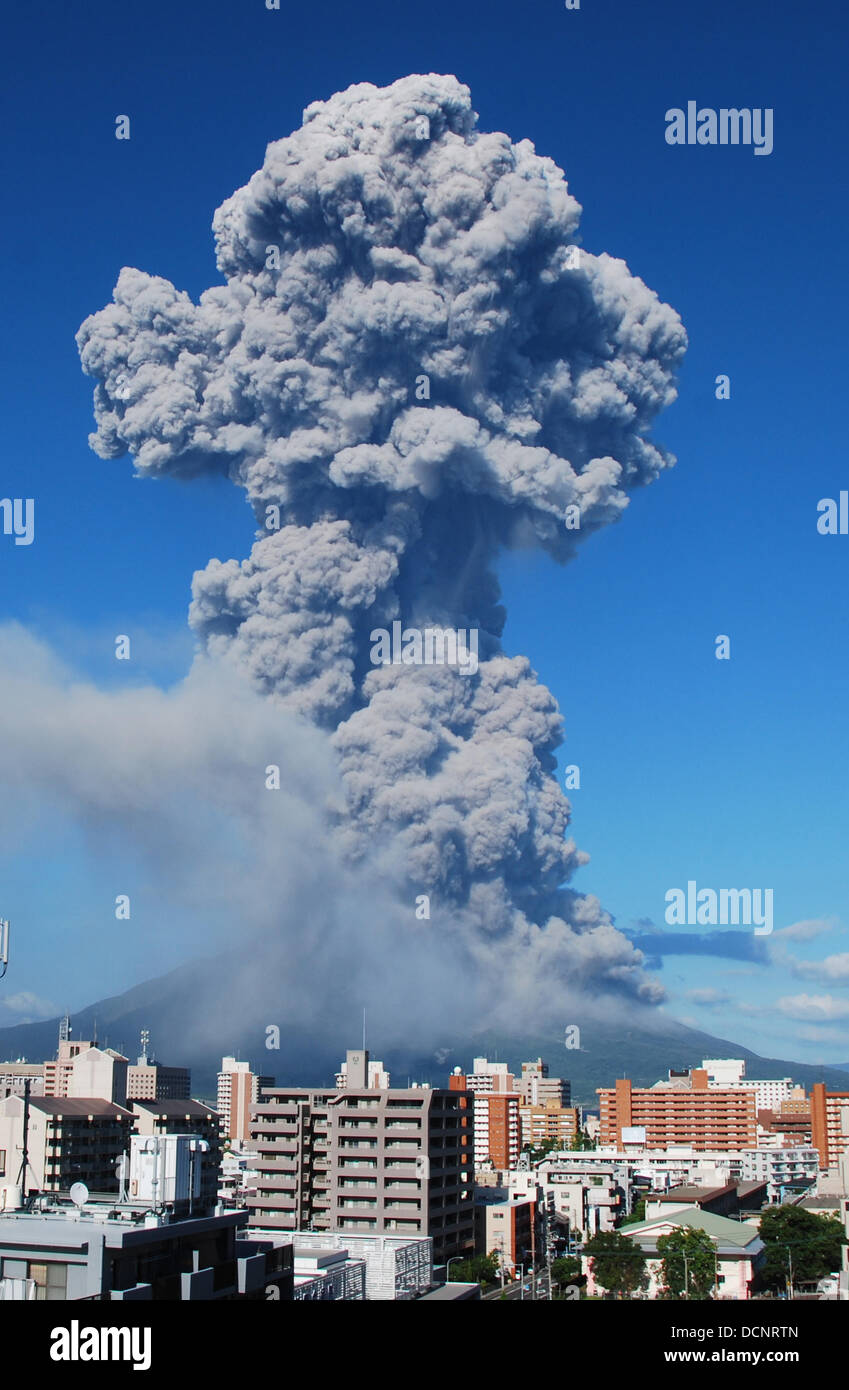
The event unfolded quickly. Small-scale activity began around 5 a.m., but the situation escalated with a large explosion at 6:52 a.m. This intense activity lasted until 7:55 a.m., sending smoke reaching heights of 1,300 metres. The result was a layer of mud that paralyzed tram tracks, covered buildings, and clung to parked vehicles.
What does the mountain’s “swelling” mean for future eruptions?
The most concerning detail for the region isn’t the ash, but what’s happening underground. The Japan Meteorological Agency has observed that the volcano’s magma chamber is still pushing. This pressure is causing a continued, slight swelling of the mountain’s physical structure.

In volcanic monitoring, swelling is a critical indicator. Officials warn that this specific type of deformation often serves as a precursor to a larger-scale eruption. While the recent explosion was significant, the ongoing movement of magma suggests the volcano remains in a highly active state.
One local blogger described the intensity of this year’s activity as significantly higher than in previous years, noting that the atmosphere gave off a “doomsday feeling.” This contrast between routine activity and the recent intensity highlights the unpredictability of Sakurajima.
How to protect your health and property from volcanic ash
When ashfall occurs, the priority is respiratory and ocular protection. Local authorities have urged residents to wear masks and goggles whenever they go outdoors. The fine particles in volcanic ash can irritate the lungs and cause corneal abrasions if they enter the eyes.
Beyond personal protection, infrastructure maintenance becomes a priority. The “grey rain” specifically targeted tram tracks and roadways, turning them into mud slides. For those living in the shadow of the volcano, prompt cleaning of rooftops and drainage systems is essential to prevent structural weight issues or flooding.
Frequently Asked Questions
What is “grey rain”?
It is a rare occurrence where volcanic ash from an eruption mixes with precipitation, falling as a mud-like substance rather than dry ash.
Why is the Japan Meteorological Agency monitoring the mountain’s swelling?
Swelling indicates that the magma chamber is pushing upward. This is a key warning sign that a larger-scale eruption may be imminent.
How does volcanic ash affect vehicles?
The ash is abrasive and can cause severe paint damage if not washed off promptly. It can also clog air filters and interfere with engine performance.
Stay informed on geological trends and disaster preparedness.
Have you ever experienced a volcanic event or lived in a high-risk zone? Share your story in the comments below or subscribe to our newsletter for more expert insights on natural phenomena.