
Salesforce revenue forecast disappoints amid AI disruption fears
The Death of the Seat License? How AI Agents are Rewriting the SaaS Playbook
For decades, the Software-as-a-Service (SaaS) industry operated on a simple, predictable premise: the “per-seat” license. If a company had 1,000 employees, they bought 1,000 licenses. It was a goldmine for providers and a standard line item for CFOs. But the winds are shifting.
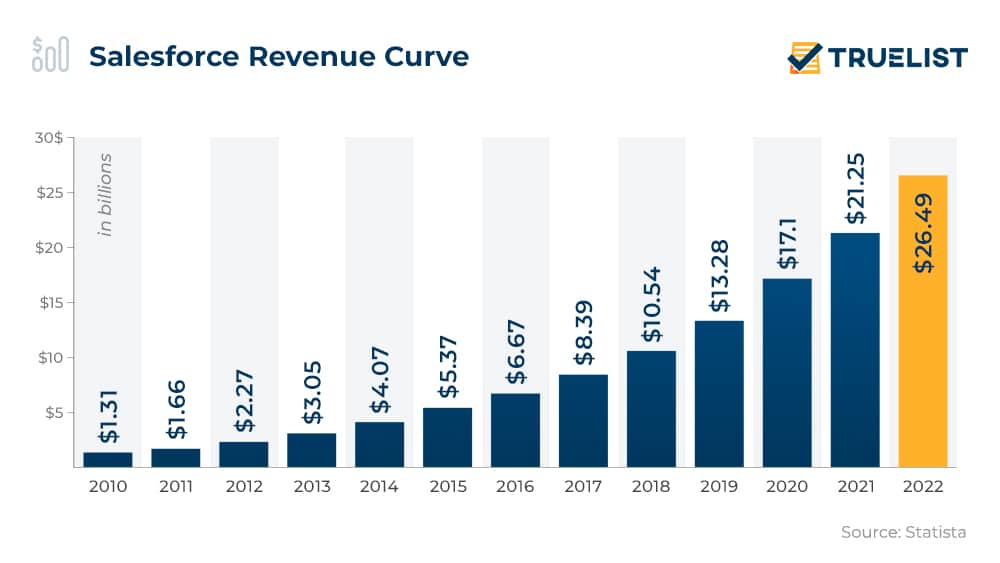
The recent volatility surrounding giants like Salesforce isn’t just a quarterly earnings hiccup; We see a symptom of a deeper structural shift. We are entering the era of the “SaaSpocalypse,” where the value is shifting from the tool itself to the outcome the tool produces.
Beyond the “Per-Seat” Model: The Economics of Outcome
The fundamental tension in enterprise software today is that AI is designed to make humans more efficient. In a traditional SaaS model, if an AI tool allows one employee to do the work of five, the software company potentially loses four paid licenses. This creates a paradoxical incentive where the better the AI, the lower the potential revenue.
To survive, the industry is pivoting toward outcome-based pricing. Instead of paying for access to a dashboard, companies will pay for the successful completion of a task—such as a resolved customer support ticket or a qualified sales lead generated by an AI agent.
We are seeing this shift in real-time. When platforms move toward “agentic” workflows, the metric of success changes from “Daily Active Users” (DAU) to “Successful Task Completions.” This shift ensures that software providers are incentivized to actually solve the problem, not just provide a place to work.
The Rise of the AI Agent: From Copilots to Autopilots
For the last two years, the buzzword has been “Copilot.” A copilot sits beside you, suggesting text or analyzing data while you hold the steering wheel. However, the next frontier is the Autonomous Agent.
Platforms like Salesforce’s Agentforce represent a move toward “autopilot.” These aren’t just chatbots; they are autonomous entities capable of reasoning, planning, and executing multi-step workflows across different systems without human intervention.
Real-World Application: The Autonomous Sales Cycle
Imagine a world where an AI agent doesn’t just notify a salesperson that a lead is warm, but actually:
- Researches the lead’s recent LinkedIn activity.
- Drafts a personalized outreach email based on specific pain points.
- Schedules the meeting on the salesperson’s calendar.
- Updates the CRM record with a summary of the lead’s intent.
In this scenario, the “software” is no longer a place where data is stored—it is the engine that executes the business process. For more on this, check out our guide on how AI is transforming B2B sales.
Navigating the “SaaSpocalypse”: Survival Strategies for Enterprise Software
The disruption caused by companies like OpenAI and Anthropic isn’t just about better LLMs; it’s about the “thinning” of the software layer. If a powerful AI can write code or manage a database via a simple prompt, the need for complex, bloated enterprise interfaces diminishes.
To remain relevant, traditional SaaS providers are focusing on three strategic pillars:
1. Data Gravity
The AI is only as good as the data it accesses. Companies that own the “system of record”—the deep, historical data of customer interactions—have a massive advantage. What we have is why Salesforce remains a powerhouse despite the volatility; they own the data that the agents need to be effective.
2. Verticalization
General-purpose AI is a commodity. The future belongs to “Vertical AI”—software tailored specifically for healthcare, law, or manufacturing. By integrating deep industry compliance and specialized workflows, these platforms create a moat that general LLMs cannot easily cross.
3. Ecosystem Integration
The “app for everything” era is ending. We are moving toward a “hub-and-spoke” model where one primary AI orchestrator manages a dozen specialized micro-services. The winners will be those who make their software the easiest to integrate into these agentic ecosystems.
The Convergence of Data and Execution
The ultimate trend is the collapse of the gap between insight and action. Historically, software provided the insight (a report showing sales are down), and humans provided the action (calling the clients). AI agents merge these two.
According to research from Gartner, a significant percentage of enterprise applications will evolve into “agent-first” interfaces by the end of the decade. This means the UI (User Interface) may eventually disappear entirely, replaced by conversational or invisible triggers.
Frequently Asked Questions
What exactly is the “SaaSpocalypse”?
It refers to the potential decline of traditional Software-as-a-Service companies as AI agents automate tasks that previously required human users to log into software, potentially breaking the “per-seat” pricing model.
How do AI Agents differ from Chatbots?
Chatbots primarily provide information (conversation). AI Agents can take action (execution), such as updating a database, sending an email, or coordinating between two different software platforms.
Will AI replace CRMs entirely?
Unlikely. However, it will change how we use them. CRMs will shift from being “databases that humans must update” to “intelligent engines that update themselves and execute tasks.”
The transition will be volatile, as evidenced by the stock market’s reaction to earnings reports. But for the end-user, the result is a liberation from the “drudge work” of data entry and manual coordination.
Join the Conversation
Do you think the “per-seat” license is dead, or is it just evolving? Are you implementing AI agents in your workflow yet?
Share your thoughts in the comments below or subscribe to our newsletter for weekly insights on the future of enterprise tech.