

Salt-Adding Habits in Older Adults: How Gender and Diet Play a Role
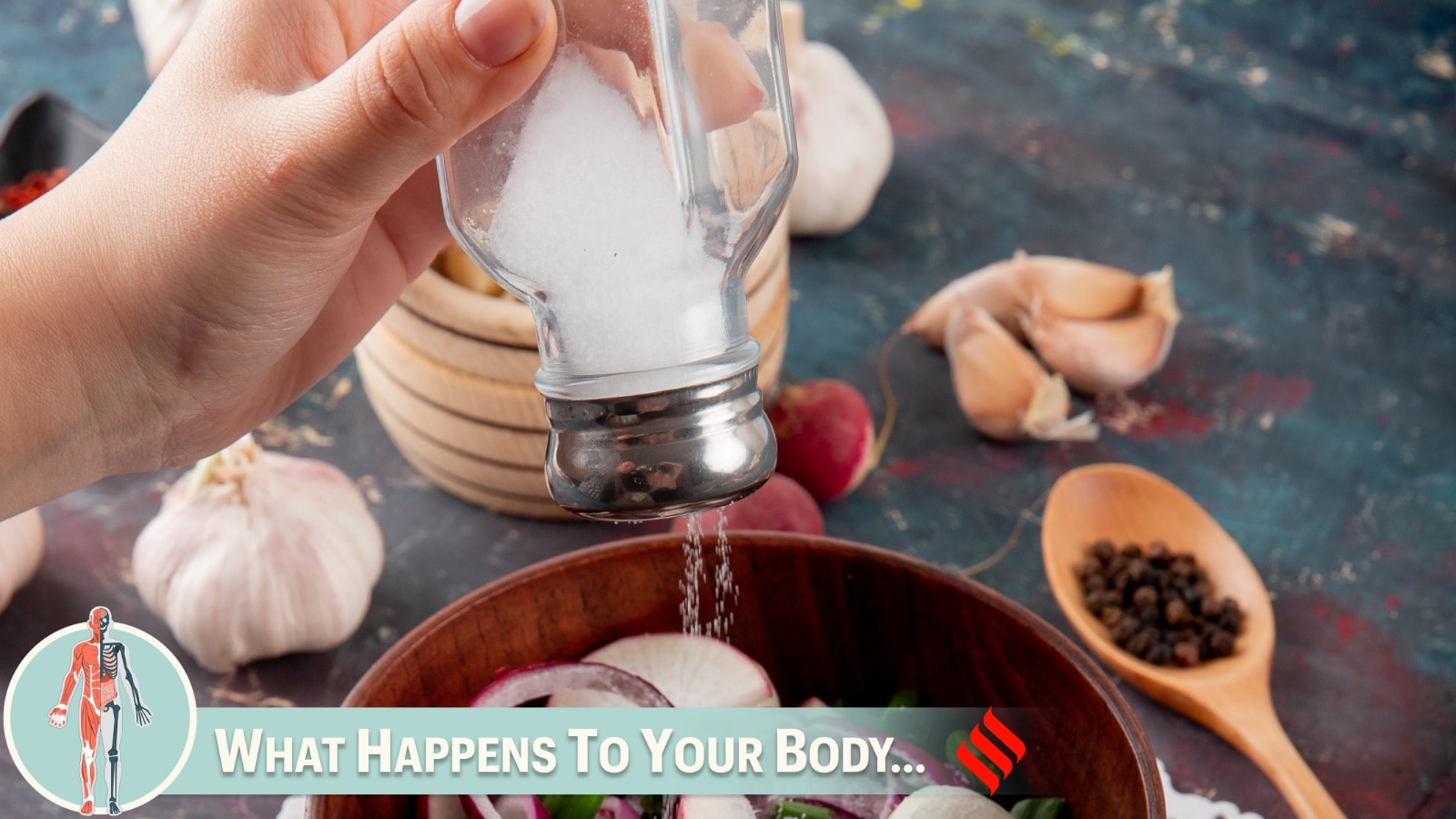
A study published in Frontiers in Public Health reveals that 12.7% of older Brazilian men and 9.4% of older women routinely add salt to their meals at the table. According to researchers Dr. Flávia Brito and Dr. Débora Santos, these habits vary by gender, with women’s behavior tied more closely to urban living and specific dietary patterns.
Why do older adults add extra salt to their meals?
Researchers analyzed data from over 8,300 Brazilians aged 60 and older between 2016 and 2017. They found that men are more likely to reach for the saltshaker, though their reasons are less tied to diet.

Men living alone were 62% more likely to add salt compared to those living with others. However, those following a special diet for high blood pressure were less than half as likely to add extra salt.
Women’s habits were more complex. Those living in urban areas were twice as likely to add salt, as were women who frequently ate ultra-processed foods.
How does diet influence salt habits in women?
For women, dietary choices appear to play a significant role in whether they add salt to their food. Those not following a high blood pressure diet had 68% higher odds of adding extra salt.
Conversely, eating fresh produce acted as a deterrent. Women who regularly ate fruits were 81% less likely to add salt, while those who commonly ate vegetables were 40% less likely to do so.
Dr. Santos noted that these patterns may reflect a greater overall attention to diet quality and efforts to limit sodium intake among these women.
What are the health risks of excessive salt intake?
The World Health Organization (WHO) recommends that adults consume no more than five grams of salt per day to protect their health.
Exceeding this limit can increase the risk of heart disease, kidney disease, and high blood pressure. It may even lead to faster cognitive decline.
Researchers suggest that regular consumption of high-sodium foods can reduce sensitivity to salty flavors. This often leads people to prefer stronger levels of saltiness or develop a routine habit of adding more.
How can people reduce their salt consumption?
Reducing sodium may require changes at both the industrial and individual levels. Researchers pointed to a need for lower sodium levels in ultra-processed and industrialized foods.

On an individual level, Dr. Santos suggests using herbs and natural seasonings instead of salt. The acidity of citrus fruits is another culinary technique that can maintain food palatability without the sodium.
A simple practical strategy could be removing saltshakers from the table entirely. This may help break the habitual urge to add extra salt to a meal.
Frequently Asked Questions
What is the WHO’s recommended daily salt limit for adults?
The World Health Organization recommends that adults consume no more than five grams of salt per day.
Who is more likely to add salt at the table according to the Brazilian study?
Men are more likely to add extra salt, with 12.7% reporting the habit compared to 9.4% of women.
What foods are linked to a lower likelihood of adding salt in women?
Women who regularly consumed fruits were 81% less likely to add salt, and those who commonly consumed vegetables were 40% less likely.
Do you keep a saltshaker on your dining table?