

SAMANTHA YEM SAYS RECENT DEVELOPMENTS SIGNAL CAMBODIA’S NEXT PHASE OF ECONOMIC GROWTH AND INVESTMENT OPPORTUNITY
Cambodia is positioning itself as a primary hub for regional trade and investment following the June 5, 2026, signing of the U.S.-Cambodia Open Skies Agreement and the ongoing construction of the Techo International Airport. According to Samantha Yem, managing partner of SK Law Office, these infrastructure and policy milestones signal a shift toward long-term economic integration, making the country a target for multinational firms seeking supply-chain diversification in Southeast Asia.
How does the Open Skies Agreement affect trade?
The Open Skies Agreement removes long-standing regulatory barriers to aviation between the United States and Cambodia. According to the agreement terms, the deal facilitates increased cargo transportation, expanded flight connectivity, and greater mobility for business travelers. Samantha Yem notes that while the agreement focuses on aviation, its primary economic value lies in strengthening commercial ties and improving logistics efficiency between the two nations. This move follows over a decade of diplomatic negotiations aimed at aligning Cambodia’s aviation framework with international standards.
Why is Techo International Airport critical to growth?
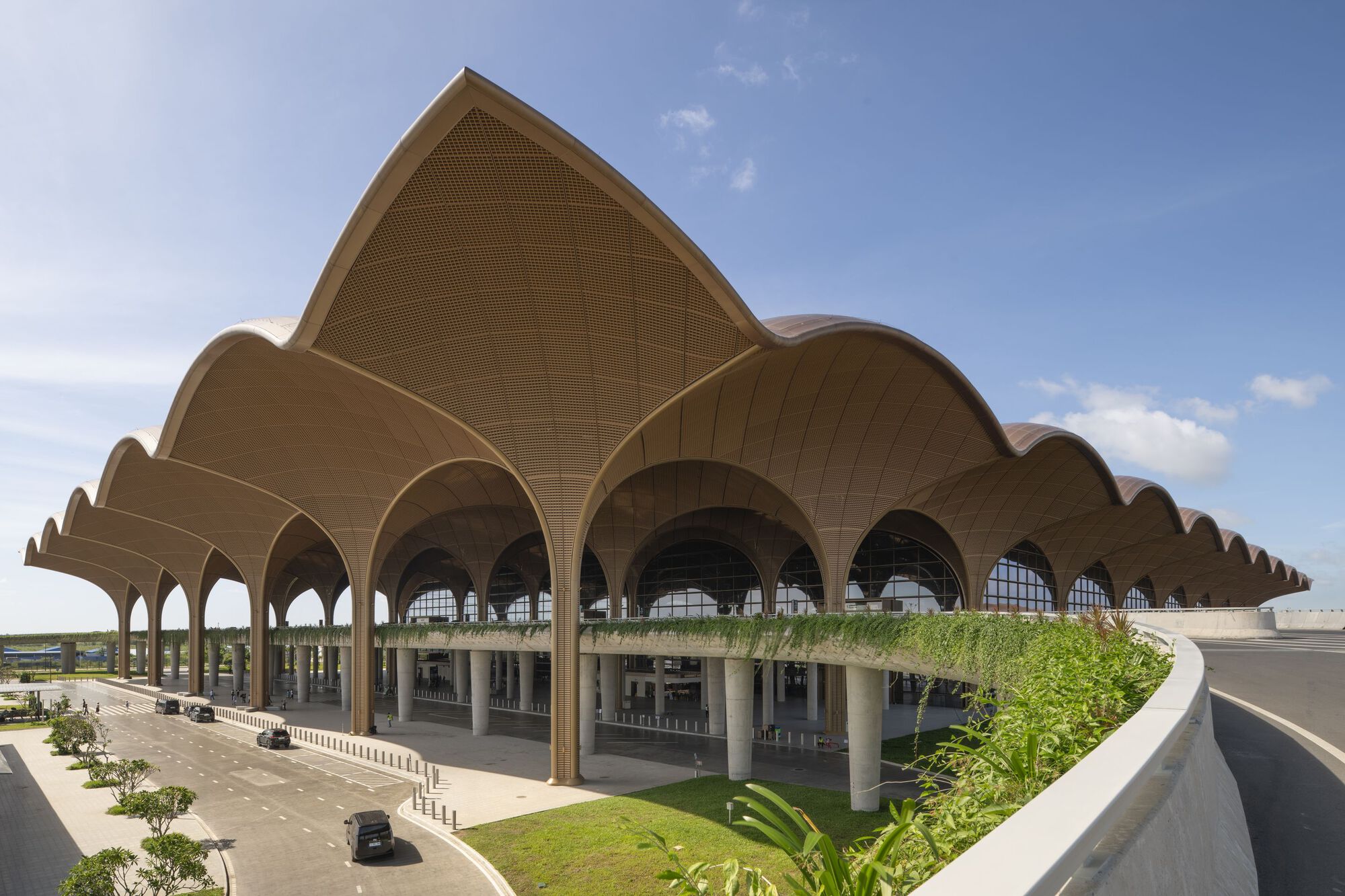
Techo International Airport serves as a cornerstone of Cambodia’s infrastructure modernization, designed to handle significantly higher volumes of international trade and tourism. According to Yem, large-scale infrastructure projects provide the stability required for private-sector expansion. By modernizing logistics, Cambodia aims to compete more effectively with neighboring Thailand and Vietnam. The project is a key component of the broader Cambodia Vision 2050, a national roadmap that prioritizes digital transformation and economic diversification to reach high-income status.

How does Cambodia compare to other Southeast Asian markets?
Unlike mature markets that have already experienced peak investment, Cambodia offers the growth potential of an emerging economy. Samantha Yem observes that international investors are currently reevaluating their supply chains away from traditional manufacturing hubs. Cambodia’s geographic position—offering direct access to the ASEAN market of 680 million people—serves as a primary competitive advantage. While countries like Vietnam have seen rapid industrialization, Cambodia is currently emphasizing the expansion of Special Economic Zones (SEZs) to attract logistics providers and manufacturers who require lower operating costs and proximity to regional trade routes.
What are the challenges for long-term investors?
Rapid transformation brings inherent hurdles, including the need for continued regulatory modernization and human capital development. Samantha Yem states that the most successful emerging economies are those that proactively address these gaps. Future growth depends on the country’s ability to scale its institutional capacity to match its physical infrastructure. Investors are currently weighing these operational challenges against the benefits of early entry into a market that is actively reforming its business environment to meet global expectations.
Frequently Asked Questions
What is the significance of the U.S.-Cambodia Open Skies Agreement?
It establishes a formal framework for expanded aviation, which facilitates trade, cargo logistics, and business travel between the U.S. and Cambodia, according to SK Law Office.
How does Cambodia Vision 2050 impact private investors?
It provides a long-term roadmap for infrastructure, digital, and human capital development, allowing investors to align their projects with the government’s stated priorities for the next two decades.
Is Cambodia’s infrastructure ready for international business?
The country is undergoing a major transformation, with significant investments in ports, industrial zones, and the new Techo International Airport aimed at closing the gap between current capacity and international requirements, per Samantha Yem.
Are you considering investment opportunities in Southeast Asia? Share your thoughts on Cambodia’s economic trajectory in the comments below or subscribe to our newsletter for updates on emerging market trends.