

Samsung and Massachusetts General Hospital Launch Joint Study to Investigate GLP-1 Treatment Monitoring with Galaxy Watch
Beyond the Scale: The Shift Toward Quality Weight Loss
For decades, the primary metric for weight loss success was a simple number on a bathroom scale. But the medical community is undergoing a paradigm shift. We are moving away from “weight loss” and toward “compositional health.”

The recent collaboration between Samsung and the MGH Diabetes Research centre highlights a critical intersection of pharmacology, and technology. As GLP-1 receptor agonists—the class of drugs including popular weight-loss medications—become mainstream, a hidden challenge has emerged: the loss of lean muscle mass.
When we lose weight rapidly, the body doesn’t just burn fat; it often consumes muscle. This can lead to a drop in basal metabolic rate (BMR), making long-term weight maintenance significantly harder and increasing the risk of cardiovascular issues. The future of wellness isn’t just about getting smaller; it’s about getting stronger while losing fat.
Muscle tissue is metabolically active, meaning it burns calories even when you are resting. Losing too much muscle during weight loss can create a “metabolic cliff,” where your body requires far fewer calories to function, often leading to the dreaded “yo-yo” effect.
The Rise of “Clinical-Grade” Wearables
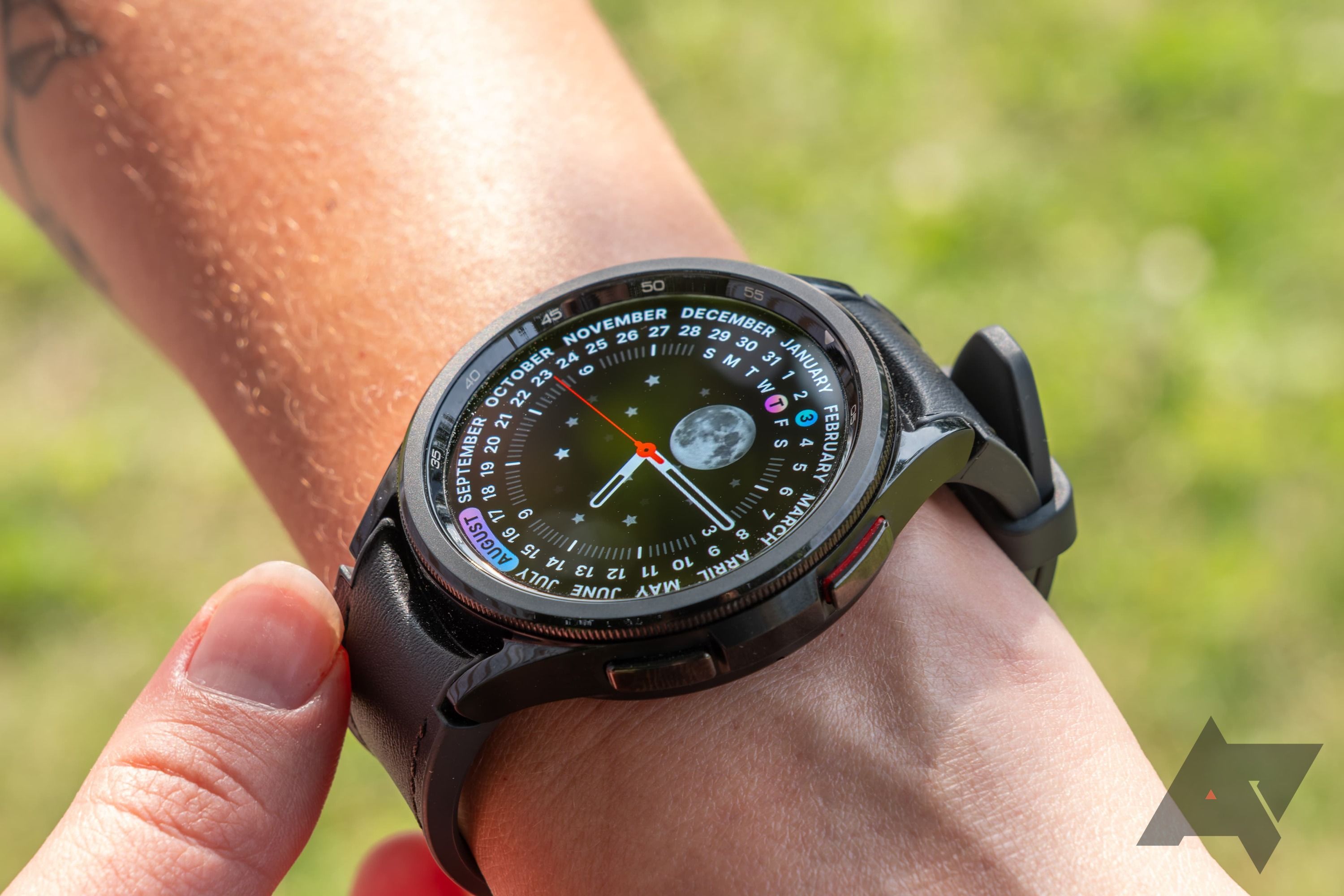
We are witnessing the evolution of the smartwatch from a luxury accessory to a legitimate medical tool. The integration of Bioelectric Impedance Analysis (BIA) into devices like the Galaxy Watch8 represents a leap toward remote patient monitoring (RPM).
From Step Counting to Body Composition Analysis
Early wearables focused on “quantified self” metrics—steps, heart rate, and sleep. The next frontier is biochemical and structural data. By using BIA, wearables can now estimate skeletal muscle mass and body fat percentage in real-time.
Imagine a future where your doctor doesn’t wait for a six-month check-up to see if your medication is working. Instead, they receive a digital dashboard showing your muscle-to-fat ratio trends. If the data shows a sharp dip in lean mass, your clinician can adjust your protein intake or prescribe a specific resistance training program immediately.
This shift toward precision medicine ensures that treatment is proactive rather than reactive.
If you are using weight-loss medications, prioritize resistance training (weight lifting or bodyweight exercises) and high protein intake. This signals to your body to preserve muscle while utilizing fat stores for energy.
Combating the ‘Muscle Drain’ of GLP-1 Therapies
The “muscle drain” associated with GLP-1 medications is a significant hurdle in long-term obesity management. The study led by Dr. Melissa Putman at MGH is pivotal because it tests whether real-time data can actually change patient behavior.

When patients can see their muscle mass fluctuating on their wrist, the psychological impact is profound. Data-driven motivation is often more effective than generic medical advice. By pairing wearable data with tailored exercise guides, the goal is to create a “virtuous cycle” of health: medication reduces the fat, while technology-guided exercise preserves the muscle.
Looking ahead, People can expect a tighter integration between pharmacy and technology. We may soon see “digital prescriptions” where a weight-loss drug is prescribed alongside a mandatory wearable monitoring program to ensure the weight loss is healthy.
For more insights on how technology is changing healthcare, check out our guide on the future of remote patient monitoring.
The Future: AI-Powered Metabolic Coaching
The next logical step is the integration of Artificial Intelligence. We are moving toward a world of “AI Health Coaches” that live on our wrists. These systems won’t just report data; they will interpret it.
Instead of a notification saying “You’ve walked 5,000 steps,” your watch might say: “Your muscle mass has dipped by 1% this week. Based on your current GLP-1 dosage, we recommend adding 20g of protein to your lunch and a 15-minute strength session today.”
This level of hyper-personalization will be essential for managing chronic conditions like diabetes and obesity, turning the wearable into a 24/7 health concierge that bridges the gap between clinic visits.
Frequently Asked Questions
How does BIA technology work in a smartwatch?
BIA sends a weak electrical current through the body. Since fat, muscle, and water conduct electricity differently, the device can calculate the percentage of each in your body based on the resistance encountered.
Why is muscle loss a concern during weight loss?
Loss of lean muscle reduces your basal metabolic rate, increases the risk of frailty, and can negatively impact cardiovascular health, making it easier to regain weight once medication stops.
Can a smartwatch replace a DXA scan?
No. A DXA scan remains the gold standard for accuracy. However, wearables are invaluable for tracking trends over time, providing a daily snapshot that a clinic-based scan cannot.
What are GLP-1 medications?
GLP-1 receptor agonists are medications that mimic a hormone found in the gut, helping to regulate insulin and suppress appetite, primarily used for type 2 diabetes and chronic weight management.
Join the Conversation
Do you think wearables will eventually replace traditional doctor check-ups for metabolic health? Or do we still need the “human touch” in medicine?
Share your thoughts in the comments below or subscribe to our newsletter for the latest in health-tech innovation!