
Samsung Electronics Stock Bonuses: Implications for Corporate Governance
Samsung Electronics has reached a labour agreement to provide special performance bonuses to its semiconductor (DS) division. To facilitate these payments, the company is expected to utilize and potentially purchase additional treasury shares.
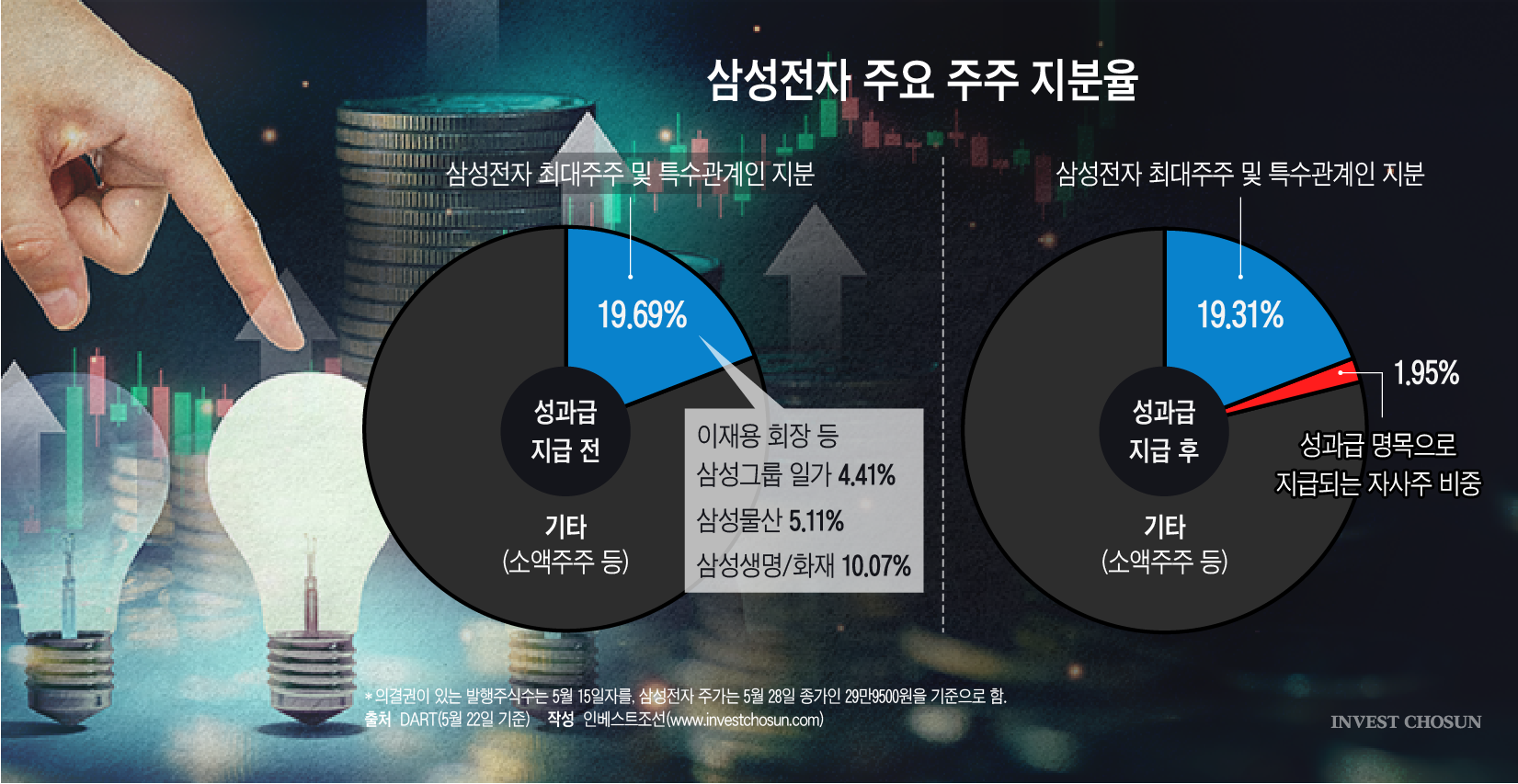
This decision is drawing significant market attention because of its implications for corporate governance. When treasury shares are distributed to employees as bonuses, shares that previously lacked voting rights are converted into general circulating shares, effectively restoring those voting rights.
The Financial Scale and Ownership Shift
Based on a hypothetical operating profit of 300 trillion to 400 trillion won, the resources for special performance bonuses could reach 30 trillion to 40 trillion won. In this scenario, the shares distributed to employees would account for approximately 2% of the total shares.
If the semiconductor boom continues and the company records profits of several hundred trillion won annually, this percentage could increase. Some observations suggest that employee ownership could rise to around 5% within a few years when combined with existing holdings.
Governance Implications and Potential Risks
The restoration of voting rights could lead to a shift in how the company is pressured. There is a possibility that employees, potentially coordinating through the union, could use their status as shareholders to call for general meetings or submit shareholder proposals.
Investment banking sources indicate a possible scenario where activist funds collaborate with employees. Because both groups share a common interest in increasing the share price, their goals may align to pressure management.
Counter-Perspectives on Share Concentration
Some analysts argue that the risk of concentrated employee power is low. Since bonuses are paid to individuals, employees often sell their shares to realize profits, which may prevent the formation of a unified voting block.
some suggest that shares held by individuals are harder to mobilize than collective employee stock ownership plans. However, employees could still emerge as key stakeholders when large pension funds or hedge funds evaluate specific corporate agendas.
Future Outlook
The market is likely to closely monitor the trend of treasury share distributions. If employee holdings eventually exceed the Chairman’s individual stake, it could further highlight the perceived need for a reorganization of the group’s governance structure.
Future developments may depend on whether these shares are held long-term or sold immediately. This dynamic will determine if employees remain a passive group of investors or become an active force in corporate decision-making.
Frequently Asked Questions
How will the special performance bonuses be paid?
The bonuses for the semiconductor (DS) division will be paid using treasury shares.
Why does the use of treasury shares affect voting rights?
Treasury shares held by the company do not have voting rights, but once they are distributed to employees, they become general circulating shares and the voting rights are restored.
What is the potential employee ownership percentage?
Depending on operating profits, initial distributions could represent 2% of total shares, with some estimates suggesting total employee ownership could reach 5% within a few years.
Do you believe rewarding employees with shares is an effective way to align worker interests with corporate growth?