
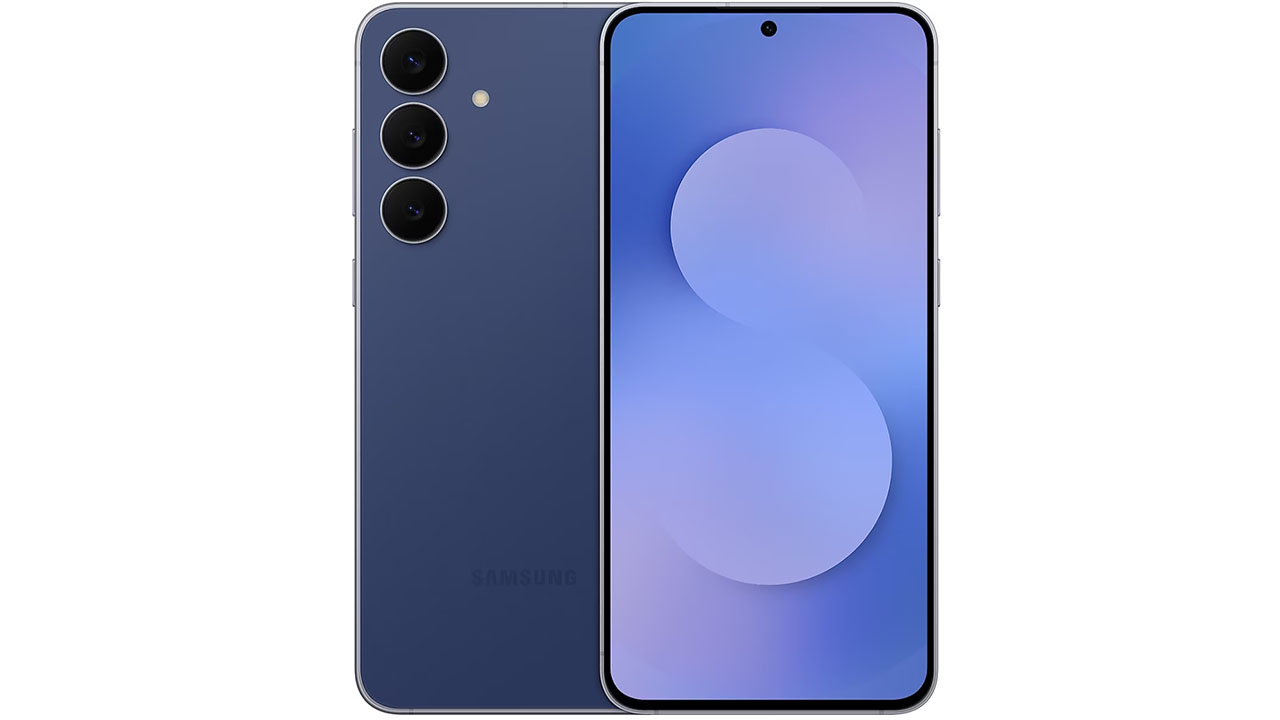
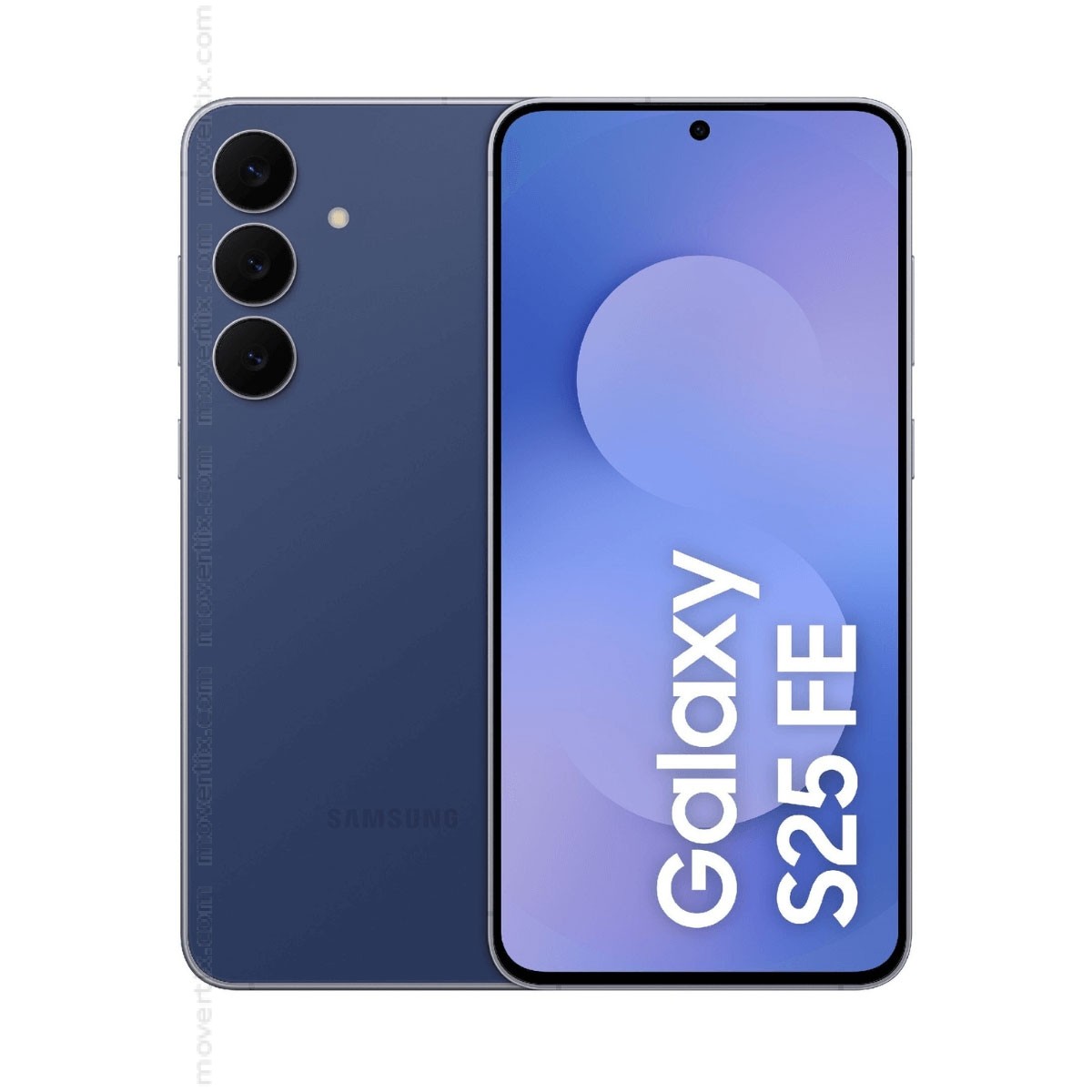
Samsung Galaxy S25 FE Now Available at a Discounted Price
Let’s be honest: we’ve all been there—staring at a flagship price tag and wondering if we actually need that extra 10% of power for a 40% price hike. This is exactly where the “Fan Edition” (FE) philosophy thrives. The Samsung Galaxy S25 FE isn’t just another mid-range device. it represents a broader shift in how tech giants are approaching the “price-to-performance” ratio.
As we look at the current trajectory of mobile hardware—from the Exynos 2400’s efficiency to the blinding 2,600 nits of the LTPO AMOLED screens—it’s clear that the gap between “premium” and “accessible” is shrinking. But where is this heading?
The Evolution of the “Flagship Killer” Strategy
For years, the market was split: you either bought a budget phone that lagged after six months or a luxury device that cost a month’s rent. The emergence of the FE series signifies the death of the traditional “mid-range” phone. We are entering an era of optimized flagships.
Manufacturers have realized that the average user doesn’t need a 200MP camera or a titanium frame, but they do demand a screen that doesn’t wash out in sunlight and a processor that can handle multitasking without breaking a sweat. By stripping away the “luxury” fluff while keeping the core silicon powerful, brands are creating a new standard of value.
The Silicon Shift: AI Over Raw Clock Speed
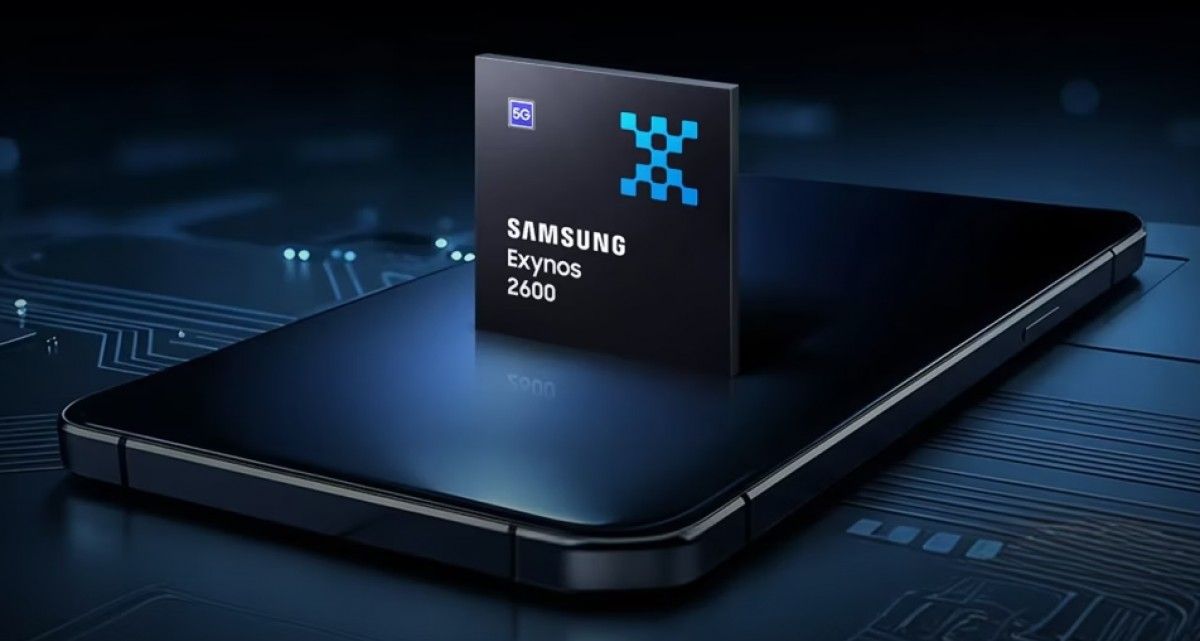
The inclusion of the Exynos 2400 in the S25 FE highlights a critical trend: the move toward NPU (Neural Processing Unit) dominance. We are moving away from the “GHz war.” It’s no longer about how fast the processor can clock, but how efficiently it can handle AI tasks locally on the device.
Future trends suggest that “performance” will soon be measured by latency in AI response rather than app load times. With Android 15 laying the groundwork, we can expect FE devices to handle complex generative AI—like real-time voice translation and advanced photo manipulation—without needing to ping a cloud server.
For a deeper dive into how mobile AI is changing the game, check out our guide on the future of generative AI in mobile OS.
The Display War: Brightness and Battery Longevity
A 6.7-inch Dynamic LTPO AMOLED display with 2,600 nits is a powerhouse. But the real magic isn’t the peak brightness; it’s the LTPO (Low-Temperature Polycrystalline Oxide) technology. This allows the screen to drop its refresh rate dynamically, saving battery when you’re looking at a static image and ramping up to 120Hz when you’re scrolling.
The industry is moving toward “Ambient Intelligence” displays. Imagine a screen that doesn’t just adjust brightness based on light, but adjusts its colour spectrum and refresh rate based on your circadian rhythm and the specific content you’re consuming to reduce eye strain and maximize the 4,900 mAh battery life.
The Storage Paradox: Cloud vs. Local
The absence of a MicroSD slot in the S25 FE is a point of contention for many. However, this reflects a calculated industry move toward ecosystem lock-in. By removing expandable storage, manufacturers push users toward cloud subscriptions (Google One, OneDrive, etc.).
As 5G becomes the global baseline and 6G enters the research phase, the “local storage” mindset is fading. We are transitioning to a world where your phone is essentially a high-powered window into a cloud-based hard drive. While 256GB is plenty for most, the trend is clear: your data is moving off the device and into the ether.
If you’re worried about storage, you might want to explore high-authority cloud solutions to ensure your memories are safe regardless of your hardware.
Frequently Asked Questions
Is an FE model worth it over a standard S-series?
Yes, if you prioritize daily performance and screen quality over extreme camera zoom or “prestige” materials like titanium.
Does the lack of a MicroSD card really matter in 2025?
For most users, no. With high-speed 5G and cloud integration, 256GB is sufficient. However, for professional videographers, it remains a significant limitation.
What is the benefit of 2,600 nits of brightness?
It ensures the screen is perfectly legible even under direct, midday sunlight, eliminating the need to squint or shade your phone with your hand.
What’s your take on the “Fan Edition” approach?
Do you prefer a “perfect” expensive flagship, or a “smart” optimized version like the S25 FE? Let us know in the comments below or share this article with a friend who is looking for a new upgrade!