

Samsung Galaxy Watch6 Uses AI to Predict Fainting Attacks
The Era of Predictive Health: When Your Watch Knows You’re About to Faint
For years, smartwatches have been glorified step counters and notification hubs. We’ve grown used to retrospective data—looking back at how we slept or how many calories we burned. But we are entering a pivotal shift in wearable technology: the move from reactive monitoring to proactive prediction.
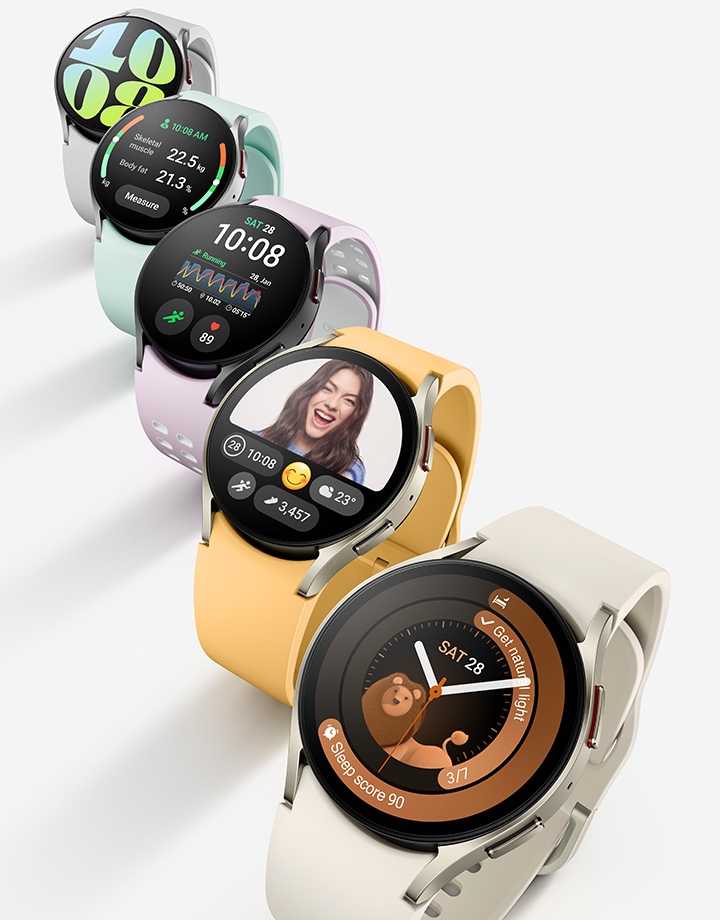
A groundbreaking study conducted by Samsung Electronics and Chung-Ang University Gwangmyeong Hospital has just moved the needle. By leveraging the PPG (photoplethysmography) sensors in the Galaxy Watch6 and advanced AI, researchers successfully predicted vasovagal syncope—the common fainting spell—up to five minutes before it happened, with an impressive 84.6% accuracy.
This isn’t just a neat feature; it is a glimpse into a future where our devices act as an invisible medical shield, alerting us to physiological crashes before we even feel the first symptom.
From PPG Sensors to Life-Saving AI
To understand where we are going, we have to understand how this works. The Galaxy Watch6 uses PPG sensors—those green lights on the back of the watch—to monitor blood flow and heart rate variability. While a human might not notice a subtle shift in their pulse, AI can detect patterns that precede a drop in blood pressure and heart rate.
The study, published in the European Heart Journal – Digital Health, involved 132 patients. The AI analysed these biosignals in real-time, identifying the “signature” of an impending faint.
This sets a precedent for Predictive Diagnostics. We are moving toward a world where “biomarker tracking” happens 24/7, allowing AI to spot anomalies that are invisible to the naked eye or even to a doctor during a brief annual check-up.
The Next Frontier: What Else Can We Predict?
If You can predict a fainting spell, the logical next step is expanding this to other critical health events. Industry experts suggest several immediate trajectories for this technology:

- Seizure Detection and Prediction: Integrating EEG-like capabilities or advanced movement analysis to warn epilepsy patients of an oncoming seizure.
- Hypoglycemic Alerts: Non-invasive glucose monitoring paired with AI to warn diabetics of a blood sugar crash before they become disoriented.
- Cardiac Event Warnings: Moving beyond AFib detection to predict potential arrhythmias or heart failure exacerbations days in advance.
- Panic Attack Intervention: Detecting the physiological onset of a panic attack and triggering guided breathing exercises automatically.
The “Hospital-at-Home” Revolution
The integration of predictive AI into consumer electronics is accelerating the “Hospital-at-Home” trend. Instead of patients staying in a ward for observation, they can be monitored remotely with clinical-grade accuracy.
Imagine a scenario where your watch detects a high probability of a health event and automatically:
- Alerts the user to sit or lie down immediately.
- Notifies a designated family member or caregiver.
- Sends a real-time data packet to a physician for immediate review.
This creates a seamless loop of care that reduces the burden on emergency rooms and prevents avoidable hospitalizations. For more on how integrated tech is changing medicine, check out our guide on the rise of remote patient monitoring.
The Ethics of the “Always-On” Doctor
With great data comes great responsibility. As wearables move into the realm of medical prediction, we face significant questions regarding data privacy and “health anxiety.”
Will insurance companies demand access to this predictive data to adjust premiums? Will “false positives” lead to an increase in unnecessary ER visits? The challenge for companies like Samsung and Apple will be balancing sensitivity (catching every event) with specificity (avoiding false alarms).
The goal is to empower the user, not to create a state of constant medical surveillance. Transparency in how AI models are trained and how data is encrypted will be the deciding factor in public adoption.
Frequently Asked Questions
Can any Galaxy Watch predict fainting?
The specific study focused on the Galaxy Watch6. While other models have similar sensors, the predictive capability relies on specific AI algorithms that may not be fully deployed in all versions or regions yet.
Is this a replacement for a medical diagnosis?
No. These tools are designed for early warning and screening. They are complements to professional medical care, not replacements for a doctor’s diagnosis.
How accurate is the prediction?
In the joint study with Chung-Ang University Gwangmyeong Hospital, the system showed an accuracy rate of 84.6%.
Join the Conversation
Would you trust an AI on your wrist to tell you when you’re about to have a medical emergency? Or does the idea of constant monitoring feel like too much? Let us know your thoughts in the comments below or subscribe to our newsletter for the latest in health-tech breakthroughs!