
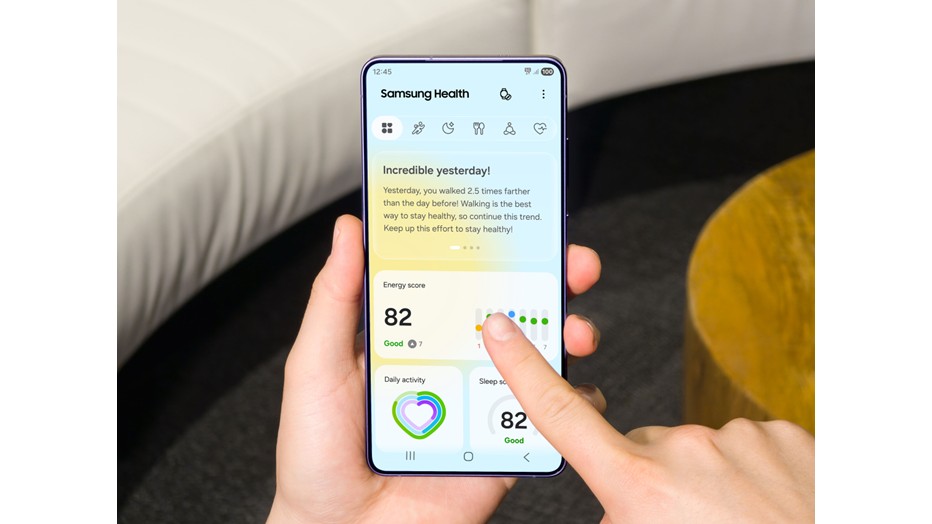
Samsung Health AI Upgrade: Galaxy Watch Becomes Your Proactive Health Companion
The Future of Wearable Health Tech: How AI-Powered Smartwatches Are Redefining Personal Wellness
From passive monitoring to proactive guidance, the next generation of smartwatches is transforming how we understand—and optimize—our health. Samsung’s latest updates to the Samsung Health app offer a glimpse into what’s next for wearable wellness tech: AI-driven insights, hyper-personalized coaching, and seamless ecosystem integration. But this is just the beginning. Here’s what the future holds for smart health companions.
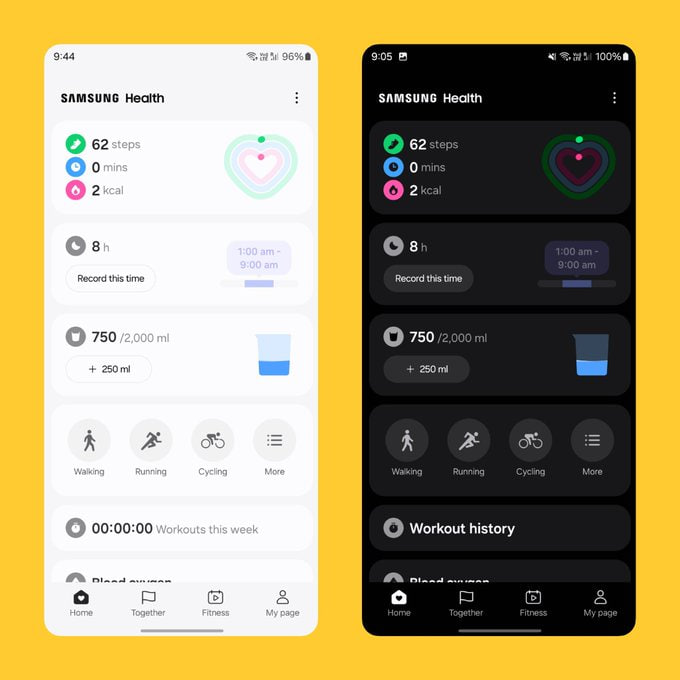
— ### Beyond the Watch: The Rise of AI as Your Health Coach The shift from data collection to actionable intelligence is the defining trend in wearable health technology. Today’s smartwatches no longer just track steps or heart rate—they analyse sleep patterns, stress responses, and even metabolic trends to deliver real-time, personalized recommendations. This evolution is backed by real-world demand: A 2023 report from Statista found that 68% of consumers now expect their wearables to provide health insights, not just metrics. Why it matters: – Preventive care: Early detection of anomalies (like irregular heart rhythms) can reduce hospitalizations by up to 30% (American Heart Association). – Behavioral nudges: AI-driven suggestions—like adjusting workout intensity—can improve adherence to health goals by 40% (Journal of Medical Internet Research). – Mental wellness: Stress and sleep tracking correlated with a 25% reduction in burnout symptoms in a 2022 study by Harvard Business Review. > Did You Know? > The global AI in healthcare market is projected to reach $187.95 billion by 2030 (Grand View Research). Wearables are leading the charge, with AI now powering 70% of new health apps (CB Insights). — ### The 5 Pillars of Next-Gen Wellness: What’s Coming to Your Wrist Samsung’s latest features—Vital Signs, Heart Health Score, and Cardio Load—are just the tip of the iceberg. Here’s how these trends will evolve in the next 5 years: #### 1. Hyper-Personalized Biometric Baselines Current Reality: Most wearables compare your data to population averages. Future Trend: Dynamic health baselines that adapt to your unique physiology. – Example: Apple’s Blood Oxygen Variability feature now adjusts thresholds based on individual trends. Samsung’s Vital Signs takes this further by using **machine learning to detect deviations from *your* personal norm**—not a generic range. – What’s next? Genomic integration: Future watches may sync with DNA data (like from 23andMe) to predict health risks before symptoms appear. #### 2. Predictive Wellness: Anticipating Health Risks Before They Happen Current Reality: Alerts for high heart rates or poor sleep *after* they occur. Future Trend: Proactive risk assessment using predictive algorithms. – Example: Fitbit’s AFib detection already uses AI to flag irregular rhythms. Samsung’s Heart Health Score could soon extend to early stroke or diabetes risk by analysing trends in blood pressure, glucose variability (via skin sensors), and even gait patterns (how you walk). – What’s next? Digital twins: A virtual replica of your body, simulated in real-time to test “what-if” scenarios (e.g., “How will skipping sleep tonight affect your cortisol levels tomorrow?”). #### 3. The “Invisible Workout”: AI-Optimized Fitness Without the Effort Current Reality: Manual input of workouts or generic training plans. Future Trend: Autonomous fitness coaching that adapts in real-time. – Example: Samsung’s Cardio Load already adjusts training zones. Future iterations may use electromyography (EMG) sensors (like those in Mio Alpha) to measure muscle engagement and suggest micro-adjustments (e.g., “Shift your weight slightly forward to reduce knee strain”). – What’s next? Neural feedback: Watches may detect subconscious fatigue via brainwave patterns (using EEG-like sensors) and pause workouts before burnout. #### 4. Mental Health as a Core Metric Current Reality: Stress and sleep tracking are siloed features. Future Trend: Holistic mental wellness scoring, integrating cognitive load, social interactions, and environmental factors. – Example: Whoop’s Strain and Recovery metrics already correlate mental fatigue with physical performance. Future watches may use voice analysis (via smartphone mic) to detect depression or anxiety patterns in speech (like SoundMind). – What’s next? Emotion AI: Facial recognition (via camera) or heart rate variability (HRV) patterns to identify micro-moments of stress or joy—then suggest personalized coping strategies. #### 5. The “Digital Health Twin” Ecosystem Current Reality: Wearables sync with apps but lack deep integration. Future Trend: Seamless, cross-device health ecosystems where all data—from smart scales to smart fridges—feeds a unified AI model. – Example: Samsung’s Galaxy Watch + Galaxy SmartTag combo already tracks location-based stress (e.g., “You’re more anxious near the office”). Future systems may include: – Smart home sensors detecting poor air quality and linking it to respiratory health. – Smart fridges analysing nutrition data in real-time (e.g., “Your vitamin D levels are low—here’s a meal plan”). – Car integrations adjusting driving posture to prevent back pain. > Pro Tip: > Opt for wearables with open APIs (like Samsung Health or Apple HealthKit) to future-proof your data. Closed systems risk becoming obsolete as AI models evolve. — ### The Biggest Challenges Ahead: Privacy, Accuracy, and Adoption While the potential is enormous, three hurdles remain: #### 1. Data Privacy in the Age of AI – Risk: Health data is 50x more valuable than credit card data (IBM Cost of a Data Breach Report). – Solution: Federated learning (AI trained on decentralized data) and blockchain-based health records (like MedRec) could secure personal health insights. #### 2. Sensor Accuracy vs. Medical-Grade Precision – Current Limitation: Consumer wearables aren’t FDA-cleared for diagnostics (yet). – Future Fix: Hybrid models where wearables flag anomalies, then trigger on-demand medical-grade scans (e.g., a watch detects irregular heartbeats, then prompts an ECG patch for confirmation). #### 3. User Fatigue and Overload – Problem: Too many alerts lead to alert fatigue (studies show users ignore 60% of notifications after 3 months). – Solution: Context-aware AI that learns your preferences—e.g., only alerting you about sleep quality if you’ve had <6 hours *and* a high-stress day. --- ### What So for You: How to Prepare for the AI Health Revolution 1. Choose a Wearable with Expandable AI Features – Look for platforms with open APIs (Samsung Health, Apple Health, Google Fit). – Example: The Galaxy Watch 7 supports third-party health apps, unlike some competitors. 2. Opt Into Data Sharing (Strategically) – Enable anonymous aggregation (e.g., contributing to Apple Heart Study) to improve AI models without sacrificing privacy. 3. Pair Your Watch with a Digital Health Assistant – Tools like Amazon Alexa Health Skills or Google Fit’s AI coach can turn raw data into actionable plans. 4. Stay Updated on Emerging Tech – Follow advancements in: – Skin-based glucose monitoring (like Abbott FreeStyle Libre). – Ultrasound wearables (e.g., Sono Health) for internal organ tracking. — ### FAQ: Your Burning Questions About AI-Powered Health Wearables
Can these wearables replace doctor visits?
No—but they can complement them. Current AI models are great for trend analysis (e.g., “Your sleep quality has declined 20% over a month”) but aren’t diagnostic tools. Always consult a healthcare provider for medical advice.
How accurate are AI health predictions?
Accuracy varies: – Heart rate variability (HRV): ~95% accurate (studies in Nature Digital Medicine). – Sleep staging: ~85-90% (compared to polysomnography). – AFib detection: ~98% sensitive (Apple Watch). Limitations: Outdoor conditions (heat, motion) can skew data.
Will my data be sold to insurance companies?
Not directly—but anonymous, aggregated data may influence premiums. Laws like HIPAA (U.S.) and GDPR (EU) protect personal health info. Always check a brand’s privacy policy before opting into health tracking.
How do I know if my wearable’s AI is giving good advice?
Ask these questions: ✅ Is the advice personalized (not generic)? ✅ Are the data sources cited (e.g., “Based on your HRV and sleep”)? ✅ Does it align with medical consensus (e.g., “Drink more water” is fine; “Stop eating carbs” is risky)?
What’s the most useful AI health feature right now?
Sleep coaching (e.g., Samsung’s Sleep Score) and stress management (via HRV analysis) are the most actionable for daily use. Fitness tracking is improving but still lacks real-time biomechanical feedback.
— ### The Bottom Line: Your Health Companion Is Getting Smarter—Are You Ready? The next decade of wearable tech won’t just track your health—it will anticipate, adapt, and guide you toward optimal wellness. Samsung’s latest updates are a proof of concept for what’s possible when AI meets personal health. But here’s the catch: The real value lies in how you use it. The best AI health coach is useless if you ignore its insights. The future belongs to those who act on data, not just collect it. —
🔍 Want to dive deeper? Explore how to maximize your wearable’s potential or check out the latest in emerging health tech trends. 💬 What’s your biggest health challenge? Share in the comments—we’ll help you find the best tech solutions! 📩 Stay ahead of the curve: Subscribe to our Weekly Health Tech Roundup for expert insights delivered straight to your inbox.