

San Andreas fault hits dangerous 1,000-year high, study says
A study published this month in the Journal of Geophysical Research indicates tectonic stress at Cajon Pass, a critical junction 50 miles from downtown Los Angeles, has reached 1,000-year highs. Researchers found the San Jacinto Bernardino segment is the most heavily loaded, potentially acting as an “earthquake gate” that could allow ruptures to cascade across multiple fault systems.
The USGS reported a magnitude 5.2 earthquake in the region, with Ring camera footage capturing shaking inside a San Diego home. This activity occurs as the San Andreas and San Jacinto faults have not produced a major earthquake in over 100 years.
Why is Cajon Pass critical for Southern California?
Cajon Pass serves as the meeting point for the Mojave South and North San Bernardino segments of the San Andreas Fault and the San Jacinto Bernardino segment of the San Jacinto Fault. According to the Journal of Geophysical Research, this junction determines whether a future earthquake stays confined to one fault or jumps between systems.
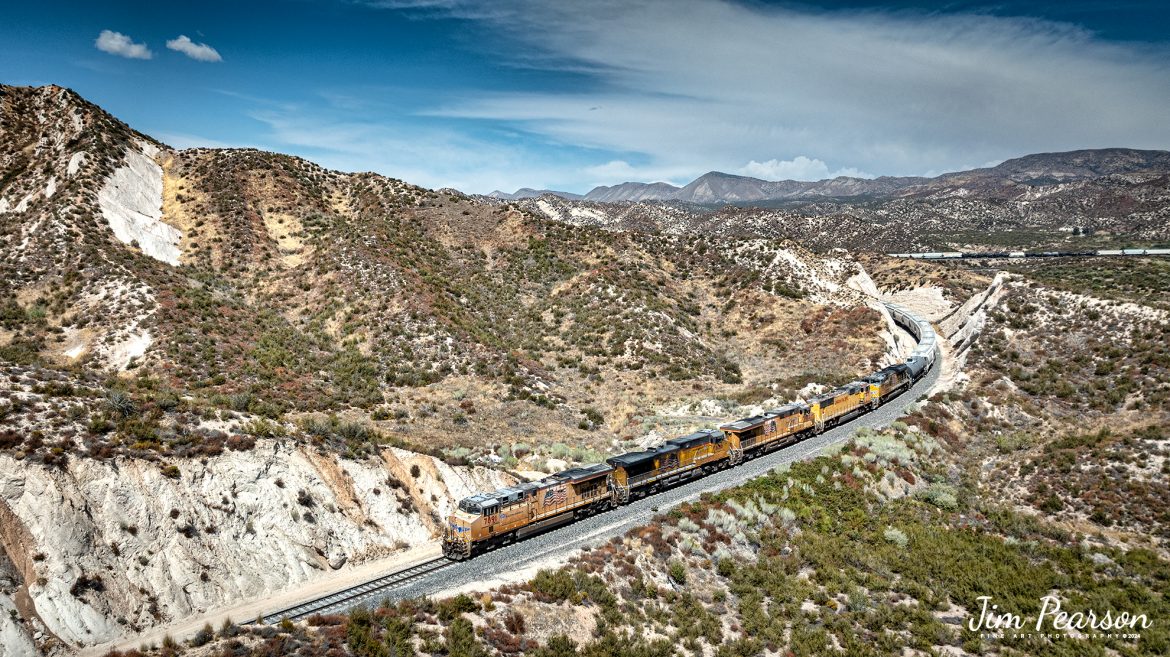
Scientists state the area is vital because it supports major energy, commerce, and transportation corridors. Millions of residents rely on the infrastructure passing through this seismically active region.
What do the current stress levels indicate?
Computer simulations of the last 1,000 years of rupture history show varying stress levels across the junction. The model estimated a stress level of 3.6 on the San Jacinto Bernardino segment, making it the most heavily loaded portion of the pass.
Other estimations include a 2.8 stress level on the Mojave South segment and 1.8 on the North San Bernardino segment. The study found that these two fault systems may interact when their stress levels become equal.
How could a future earthquake spread?
If a rupture passes through the Cajon Pass “gate,” it may spread to additional fault segments. Researchers suggest this could create a longer and larger earthquake than one confined to a single line.
The San Andreas and San Jacinto faults accommodate approximately 90% of the North American-Pacific plate slip rate in Southern California. While the study does not predict a specific date for the next event, it indicates that stress continues to build across the junction.
Frequently Asked Questions
Where is Cajon Pass located?
It is located northeast of Los Angeles, approximately 50 miles from the downtown area.
Which fault segment currently has the highest stress?
According to the study, the San Jacinto Bernardino segment has the highest estimated stress level at 3.6.
What is the “earthquake gate” effect?
It is a phenomenon where the Cajon Pass junction either halts a rupture or allows it to jump between the San Andreas and San Jacinto fault systems.
How prepared are the region’s commerce corridors for a multi-fault seismic event?