
San Andreas Fault reaches highest stress level in 1,000 years
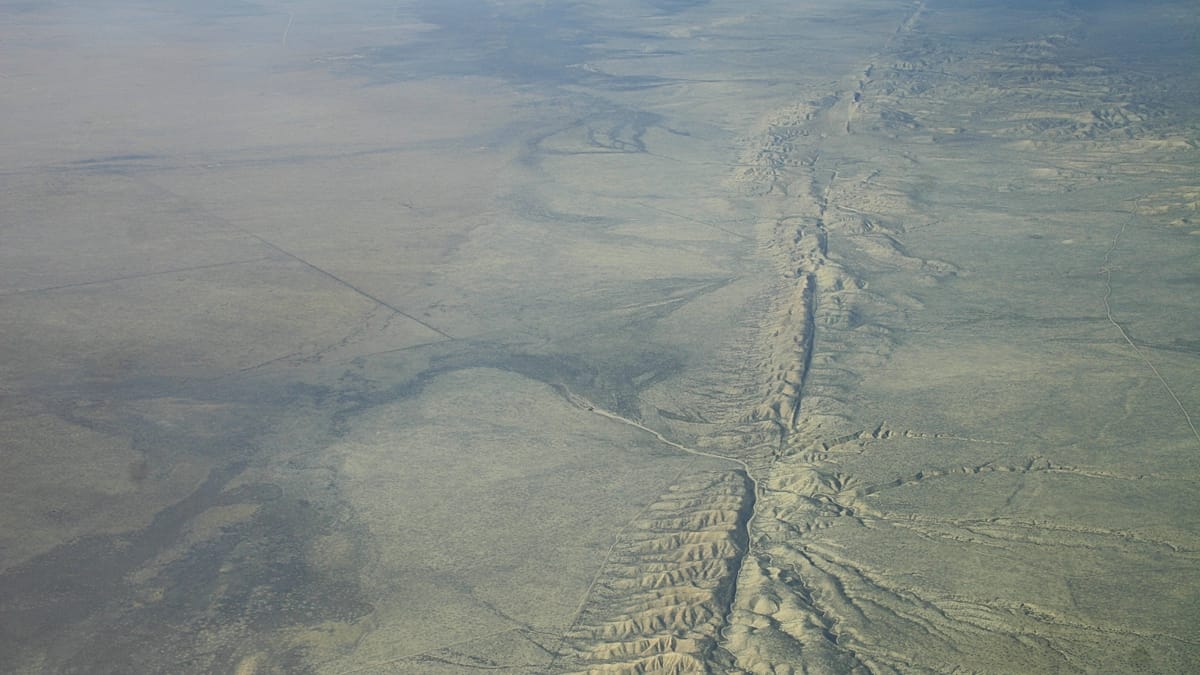
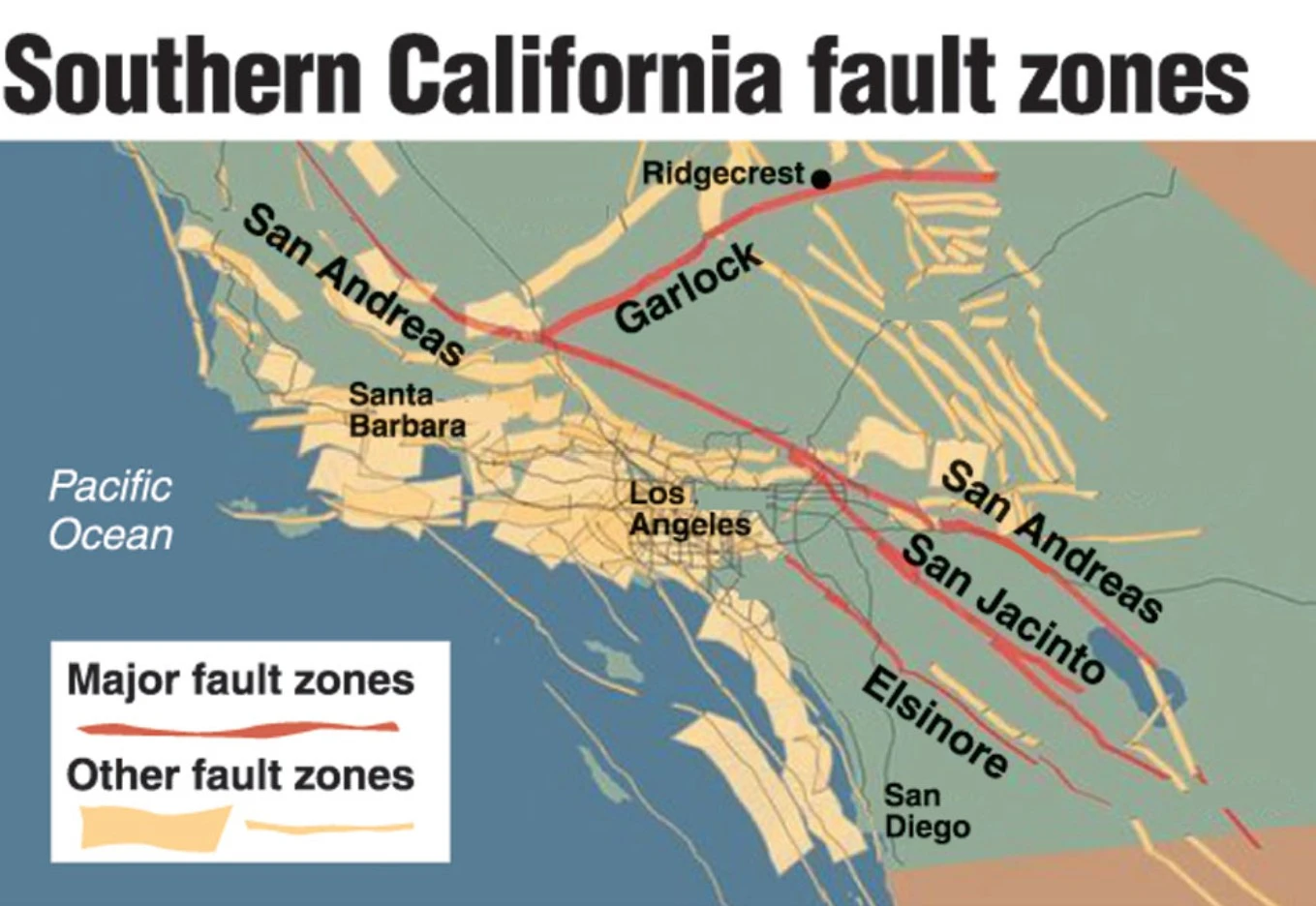
Tectonic stress along Southern California’s San Andreas and San Jacinto fault systems has reached its highest levels in 1,000 years, according to a study published in the Journal of Geophysical Research: Solid Earth. Researchers from the University of Hawai’i at Mānoa and the University of Bern report that some fault segments may now exceed historical pressure maximums, increasing the potential for significant seismic activity across the region.
Why is current fault stress considered unprecedented?
The study, led by researcher Liliane Burkhard, utilized computer modeling to simulate 1,000 years of earthquake history. By incorporating radiocarbon dating of sediments and tree-ring records, scientists estimated that stress on the San Jacinto-Bernardino section has reached 3.6 megapascals. While this pressure figure might appear abstract, Burkhard notes that the danger lies in the vast scale of the affected area. The stress is distributed across a rock volume extending 10 to 20 kilometers deep, meaning that when the “locked” fault segments eventually give way, the energy released will be proportional to the immense surface area involved.
The 3.6 megapascals of pressure identified in the study is equivalent to the crushing weight experienced 360 meters below the surface of the ocean.
Could the San Andreas and San Jacinto faults rupture simultaneously?
The research identifies the Cajon Pass as a critical “earthquake gate” where the two major fault systems intersect. According to the study, this geological junction can either prevent or facilitate the transfer of energy between faults. Under specific conditions, the pass could allow both the San Andreas and San Jacinto faults to rupture in a single, combined event. Such a scenario would produce significantly higher destruction than a rupture on a single fault, potentially impacting millions of residents in Los Angeles, San Bernardino, Riverside, and the Coachella Valley.
How does this study change earthquake hazard planning?
While the model provides a new way to visualize accumulated stress, the researchers emphasize that it cannot predict the timing of an imminent earthquake. Instead, the findings are intended to assist civil engineers and urban planners. By identifying segments with the highest stress accumulation, officials can prioritize infrastructure investment, update local building codes, and refine emergency preparedness protocols. The methodology developed for this study is designed to be scalable, meaning it could eventually be applied to other complex fault intersections globally to improve risk assessment tools.
Frequently Asked Questions
- Can scientists predict exactly when a big earthquake will hit?
No. The research team from the University of Hawai’i at Mānoa and the University of Bern explicitly states that it is impossible to determine the exact timing of such events. - What is the primary risk of the Cajon Pass?
The Cajon Pass acts as an “earthquake gate” that could potentially allow seismic energy to jump between the San Andreas and San Jacinto faults, leading to a larger, more destructive dual-fault rupture. - How was the 1,000-year history reconstructed?
Scientists used geological data, including radiocarbon dating of displaced sediments and historical tree-ring records, to build a computer model of past stress release.
Pro Tip: Preparedness Matters
Regardless of geological stress levels, experts recommend maintaining an emergency kit with at least three days of supplies, including water, non-perishable food, and medical essentials. For more information on local safety guidelines, visit the official Ready.gov earthquake resource page.
Have you updated your home’s emergency plan recently? Join the conversation in the comments below or subscribe to our newsletter for the latest updates on regional safety and infrastructure developments.