
Sanae Takaichi’s Diplomatic Style: Personal Connection or Excessive Flattery
Japanese Prime Minister Sanae Takaichi’s diplomatic style, characterized by frequent physical gestures and the use of first names with world leaders, has drawn both praise for its approachability and criticism for appearing overly informal. Following a May 19 meeting with South Korean President Lee Jae-myung, where Takaichi exchanged glasses and proposed a casual summit venue, domestic critics have accused the leader of “excessive flattery” and leveraging gender-based tactics to navigate the international stage.
Diplomacy and the “Woman Card”
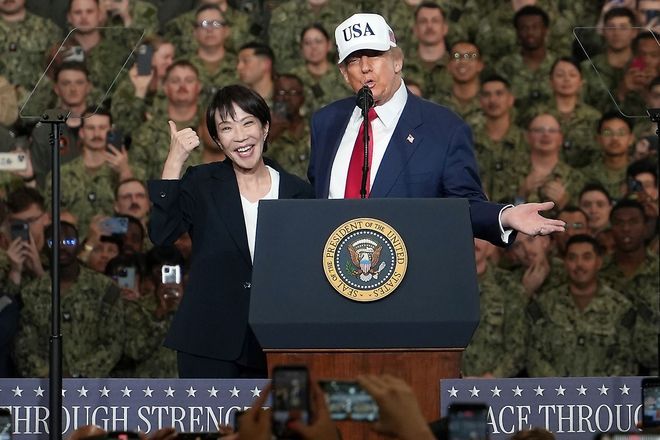
Takaichi, 65, has frequently employed a high-contact diplomatic approach during her tenure, which began in October. This style was notably on display during a March visit to the White House, where she hugged U.S. President Donald Trump upon arrival and addressed him repeatedly as “Donald.” According to Ki-young Shin, a professor of politics and gender at Ochanomizu University, these actions may be survival tactics internalized within the Liberal Democratic Party (LDP), a political environment where women hold limited representation.
The LDP remains predominantly male-dominated, with women accounting for 12.3 percent of its Lower House seats as of the February elections. Shin suggests that Takaichi’s behavior reflects broader gender dynamics in Japanese society, creating a sense of discomfort among some older women who have navigated similar male-centric organizations. Critics argue that such displays of “excessive flattery” are uncharacteristic of a national leader and may be perceived as playing the “woman card” to secure favor with powerful counterparts.
Managing High-Stakes Summits
While some observers find her conduct unconventional, others point to the strategic utility of her approach in high-stakes negotiations. During the March summit with President Trump, Takaichi faced concerns that the U.S. might demand the deployment of Japan’s Self-Defense Forces to the Strait of Hormuz—a move that would conflict with the Japanese Constitution. By employing personal rapport and avoiding a formal, rigid tone, Takaichi successfully navigated the meeting without any such troop requests.
Wataru Yamaguchi, an associate professor at Kansai University, notes that while the first-name basis is often an act designed to impress the Japanese public rather than a tool for deeper policy alignment, it served a purpose in this instance. Yamaguchi credited Takaichi for emerging “largely unscathed” from the meeting by underscoring amicable ties during a time of international conflict. Despite these results, the underlying concern remains that the small number of female legislators and a lack of systemic leadership programs for women in Japan may limit the country’s diplomatic depth.
What Happens Next
As Takaichi continues her term, the focus is likely to remain on how her diplomatic style impacts future negotiations with Group of Seven nations. Analysts expect the debate over her “approachable” methods to persist, particularly as the Japanese public weighs the efficacy of these gestures against the perceived need for a more formal image. Future summits may see a continued reliance on these tactics, as Takaichi remains motivated by the policy line established by her mentor, the late Prime Minister Shinzo Abe.
Frequently Asked Questions
Why do some critics object to Prime Minister Takaichi’s diplomatic style?
Critics argue that her frequent physical gestures and use of first names are “excessive flattery” and uncharacteristic of a national leader, leading some to believe she is using her gender to curry favor in a male-dominated political landscape.
How has the LDP’s gender composition influenced Takaichi’s approach?
Professor Ki-young Shin suggests that Takaichi’s actions are a reflection of survival tactics developed within the male-controlled LDP, where female representation remains low at 12.3 percent in the Lower House.
Did the informal diplomacy with President Trump result in any policy concessions?
No. Despite concerns that President Trump might demand the deployment of Japanese forces to the Strait of Hormuz, Takaichi managed to avoid such a request during their meeting.
Do you believe a leader’s personal rapport with foreign counterparts is more important than strict adherence to traditional diplomatic formality?