

Sarcopenia Explained: How Muscle Loss Affects Aging and Cognitive Health
Aging involves far more than aesthetic changes; it includes a critical physiological process known as sarcopenia. This condition is characterized by the progressive loss of muscle mass, which directly compromises an individual’s strength, balance, and overall autonomy.
Experts warn that this decline significantly increases the risk of falls and fractures. This loss of physical capacity can lead to a diminished ability to perform basic tasks, such as walking or climbing stairs, ultimately threatening an elderly person’s independence.
The 30-Year Milestone
Muscle loss does not begin only in the twilight years. Geriatrician Rodrigo Patriota notes that muscle and bone mass typically increase until approximately 30 years of age.
After this threshold, the body tends to lose more mass than it gains. Because this process can be accelerated by sedentary lifestyles, poor nutrition, hormonal changes, and chronic diseases, early intervention is considered essential for long-term health.
The Synergy of Exercise and Nutrition
While physical activity is crucial, exercise alone may not be sufficient to reverse or stop sarcopenia. The body requires a protein substrate to produce muscle effectively.
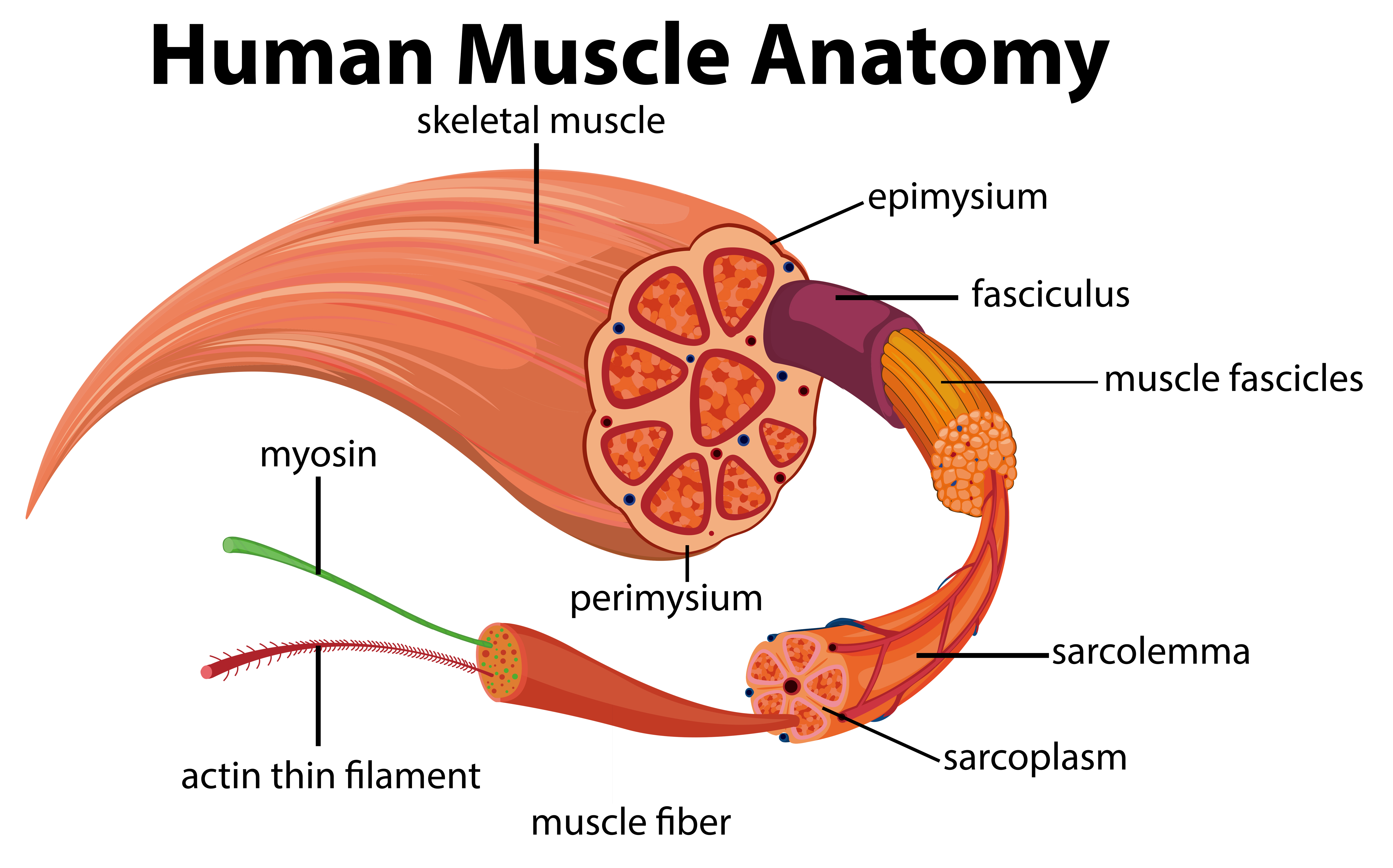
A diet with high protein content is vital. For those who cannot meet these minimum nutritional requirements, the use of protein supplementation, such as whey or specific pharmacy products, could be a necessary addition to their regimen.
The Muscle-Brain Connection
Beyond physical mobility, there is a strong connection between the muscular system and cognitive function. Loss of muscle mass is often associated with cognitive difficulties, including problems with memory.

Conversely, strengthening the musculature may contribute to cognitive improvements. This suggests that muscular health and cerebral health operate in tandem to preserve quality of life.
The Critical Danger of Falls
The most severe consequence of muscle and strength loss is the increased risk of falls. Because muscle loss often coincides with a reduction in bone mass, a simple fall could lead to grave fractures, such as those of the femur.
Such injuries may trigger a cascade of complications, including infections and the need for high-risk surgeries. For these reasons, falls are identified as a significant factor in mortality among the elderly.
Future Implications
Individuals who implement muscle preservation strategies early in adulthood may be more likely to maintain their independence during old age. Conversely, those who remain sedentary or maintain inadequate nutrition could face an accelerated loss of functional capacity.
A proactive approach to both protein intake and physical activity may reduce the likelihood of severe fractures and the subsequent medical complications that often follow a fall.
Frequently Asked Questions
What is sarcopenia?
Sarcopenia is the progressive loss of muscle mass that compromises strength, balance, and autonomy, particularly in the elderly population.
Is exercise alone enough to prevent muscle loss?
No. Exercise without a protein substrate does not produce muscle. A diet rich in protein or the use of supplements like whey is necessary to support muscle gain.
How does muscle loss affect the brain?
Loss of muscle mass is associated with cognitive difficulties, such as memory problems, while strengthening muscles can contribute to cognitive improvements.
How are you incorporating strength and nutrition into your long-term health plan?