
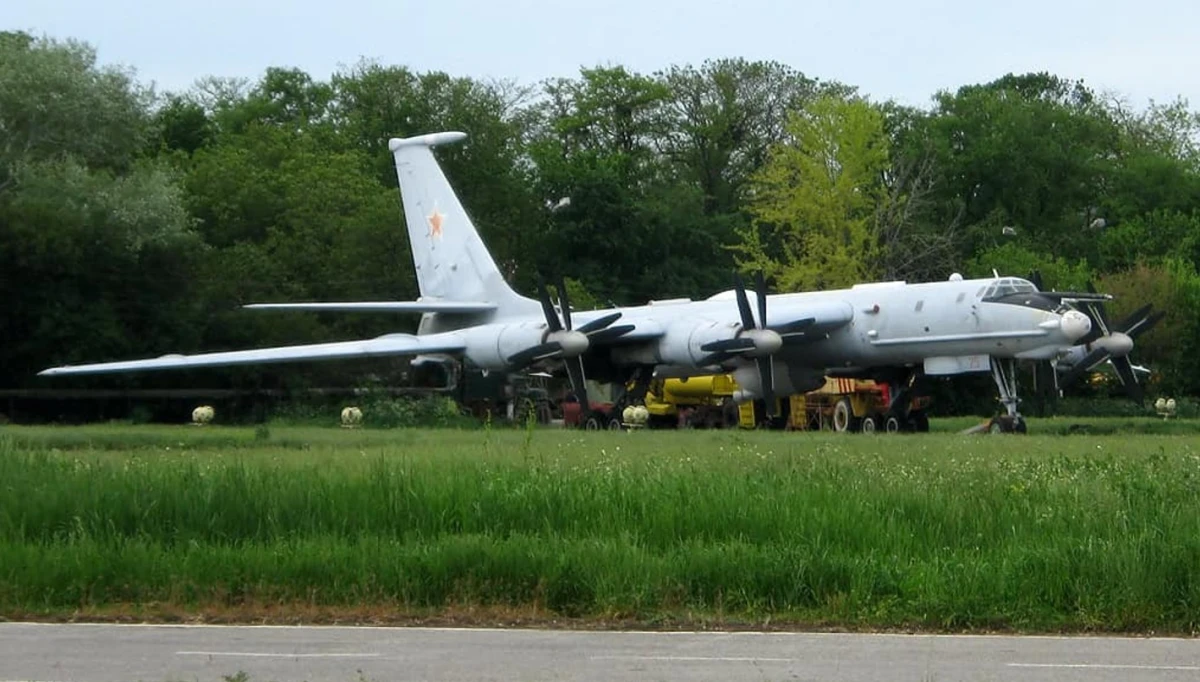
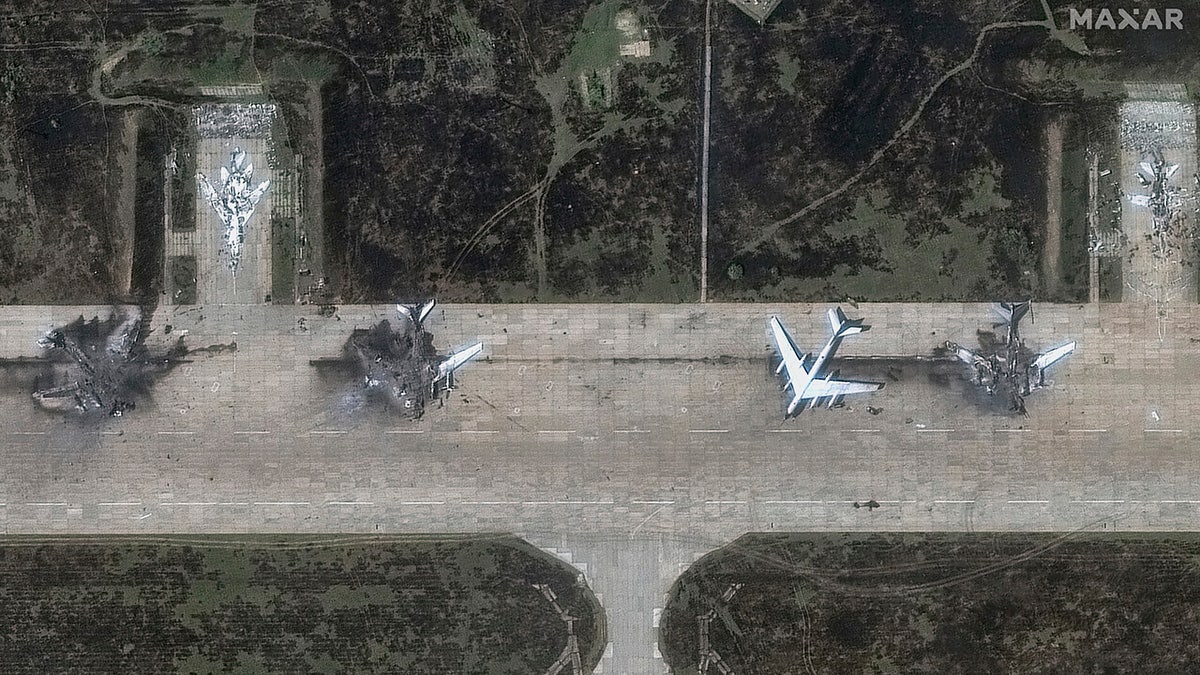
Satellite Images Confirm Destruction of Two Russian Tu-142 Aircraft in Ukraine Drone Strike
The Rise of Asymmetric Air Strikes: How Long-Range UAVs Are Redefining Strategic Warfare
The recent destruction of specialized Russian aircraft, including the Tu-142 and A-50 platforms, highlights a pivotal shift in modern conflict. We are no longer in an era where strategic assets are safe simply because they are stationed hundreds of kilometers behind the front lines.
The use of long-range unmanned aerial vehicles (UAVs) to target high-value aviation infrastructure represents a democratization of precision strike capabilities. Historically, only superpowers with stealth bombers or cruise missiles could execute these “deep-rear” operations. Today, a relatively low-cost drone can neutralize a multi-million dollar strategic asset.
Why “In Storage” No Longer Means “Safe”
A recurring theme in recent strikes is the targeting of aircraft in storage. While some military analysts might dismiss the loss of non-active planes as negligible, this is a strategic miscalculation. In a war of attrition, the “reserve” is the only lifeline for replacing combat losses.
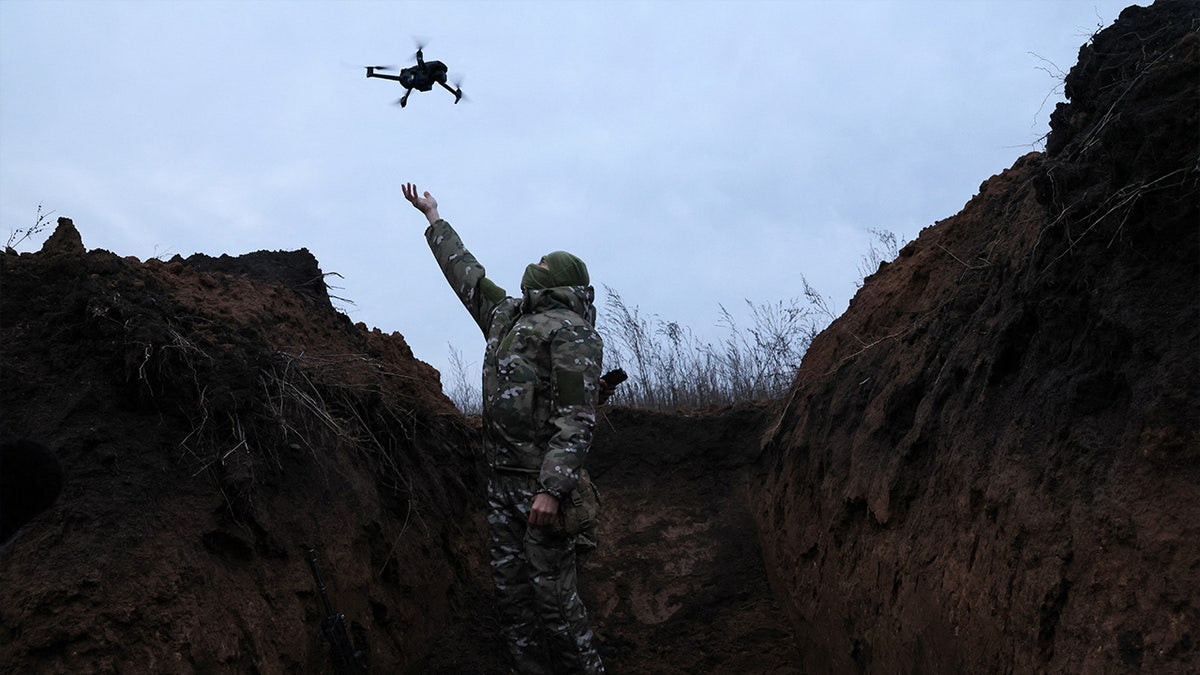
When a nation loses its reserve fleet of specialized aircraft—such as those used for long-range communication with ballistic missile submarines—it doesn’t just lose a piece of metal; it loses the potential to regenerate its capabilities. This creates a “capability ceiling” that the adversary cannot easily break through.
The Attrition of Specialized Platforms
The loss of A-50 AWACS (Airborne Warning and Control System) and A-100 “Premier” aircraft is particularly damaging. These are not standard fighters; they are “force multipliers.” Without them, the remaining air fleet is effectively blinded, relying on ground-based radar that is often vulnerable to electronic warfare (EW) and suppression.
As we look at the data from recent conflicts, the trend is clear: the focus has shifted from destroying planes in dogfights to destroying them on the tarmac. This is far more cost-effective and carries significantly lower risk for the attacker.
Future Trends: The New Era of Deep-Strike Capabilities
Looking ahead, we can expect several key trends to dominate the landscape of aerial warfare and infrastructure protection:
- Swarm Intelligence: Instead of single, large drones, we will see “swarms” of smaller, autonomous UAVs that can overwhelm air defense systems through sheer numbers.
- AI-Driven Target Recognition: Future drones will likely use edge-computing AI to identify specific aircraft models (e.g., distinguishing a Tu-142 from a standard transport plane) without needing a constant satellite link.
- Hardened Aviation Infrastructure: We will likely see a return to reinforced hangars and “underground” airbases to protect high-value assets from overhead drone strikes.
- Enhanced Counter-UAS (C-UAS) Integration: Airbases will evolve from relying on large missile batteries (like the S-400) to integrating laser-based defense and electronic jamming umbrellas.
For more insights on how technology is changing the battlefield, check out our detailed analysis on the evolution of autonomous weapon systems.
Frequently Asked Questions
Q: Why are Tu-142 aircraft so important?
A: They are specialized for anti-submarine warfare and maintaining secure communication with nuclear-armed submarines, making them critical for a nation’s strategic deterrence.
Q: Can air defenses stop these long-range drones?
A: It is difficult. These drones often fly at low altitudes to avoid radar and have small radar cross-sections, making them hard to detect until they are very close to the target.
Q: What is a “force multiplier” in aviation?
A: A force multiplier is an asset, like an AWACS plane, that makes all other units more effective by providing superior intelligence, coordination, and surveillance.
Join the Conversation
Do you believe drone technology has made traditional airbases obsolete, or can better defense systems close the gap? Let us know your thoughts in the comments below!