
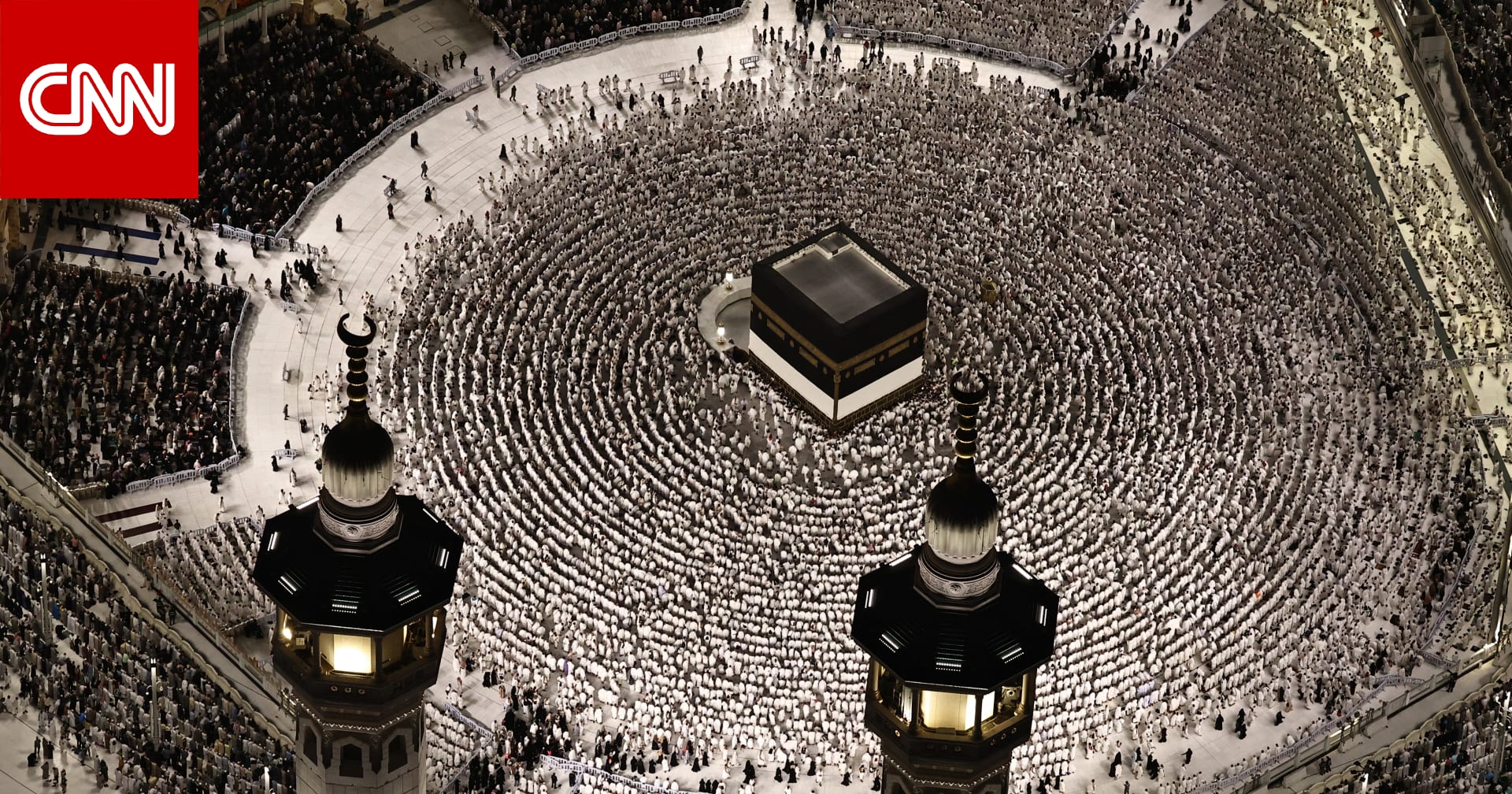
Saudi Arabia Deploys Air Defenses Near Holy Sites for Hajj Season
The Saudi Ministry of Defense has publicly confirmed the deployment of advanced air defense systems in the vicinity of Islam’s holiest sites in Mecca. The move, showcased through a video released by the ministry on Saturday, comes as the Kingdom seeks to fortify its defensive posture during the current Hajj pilgrimage season.
Strategic Defensive Posture
The official announcement emphasized that the deployment is part of an integrated readiness system designed to protect the airspace over the holy sites. According to the Ministry of Defense, these measures are intended to neutralize any aerial threats, ensuring the security and tranquility of the pilgrims visiting the region.
This heightened security posture occurs against a backdrop of regional instability involving ongoing tensions between the United States, Israel, and Iran. The Saudi government has reported that its territory has been subject to multiple aerial targeting attempts over the past three months.
Potential Future Developments
As the Hajj season continues, the presence of these defense systems may serve as a permanent fixture until the conclusion of the pilgrimage. Given the recent history of aerial threats directed at Saudi territory, analysts suggest that the Ministry of Defense is likely to maintain a high state of alert, and further defensive adjustments could be implemented if regional tensions escalate further.

Frequently Asked Questions
Why has Saudi Arabia deployed air defenses near Mecca?
The deployment aims to protect the airspace over holy sites and ensure the safety and security of pilgrims during the Hajj season by addressing potential aerial threats.
What is the broader context for this security measure?
The move occurs amidst regional conflict involving the United States, Israel, and Iran, and follows reports that Saudi territory has been targeted multiple times in the last three months.
What is the role of the Saudi Ministry of Defense in this operation?
The Ministry is responsible for the integrated readiness system, which includes the active protection of airspace to ensure the tranquility of those participating in the Hajj.
How do you believe the presence of advanced military hardware influences the atmosphere of large-scale religious events during times of geopolitical tension?