

SBA Policy Change Bars Green Card Holders From Small Business Loans
The U.S. Small Business Administration (SBA) stopped approving loans to businesses not fully owned by American citizens in March, according to reports. This policy change excludes legal permanent residents, including green card holders, who previously qualified for government-backed lending.
Why did the SBA stop lending to permanent residents?
SBA head Kelly Loeffler stated on Newsmax that government benefits should be reserved for U.S. citizens, comparing the eligibility to voting rights. In a statement to NPR, the agency said the new rules ensure limited resources go to American citizens instead of noncitizens.
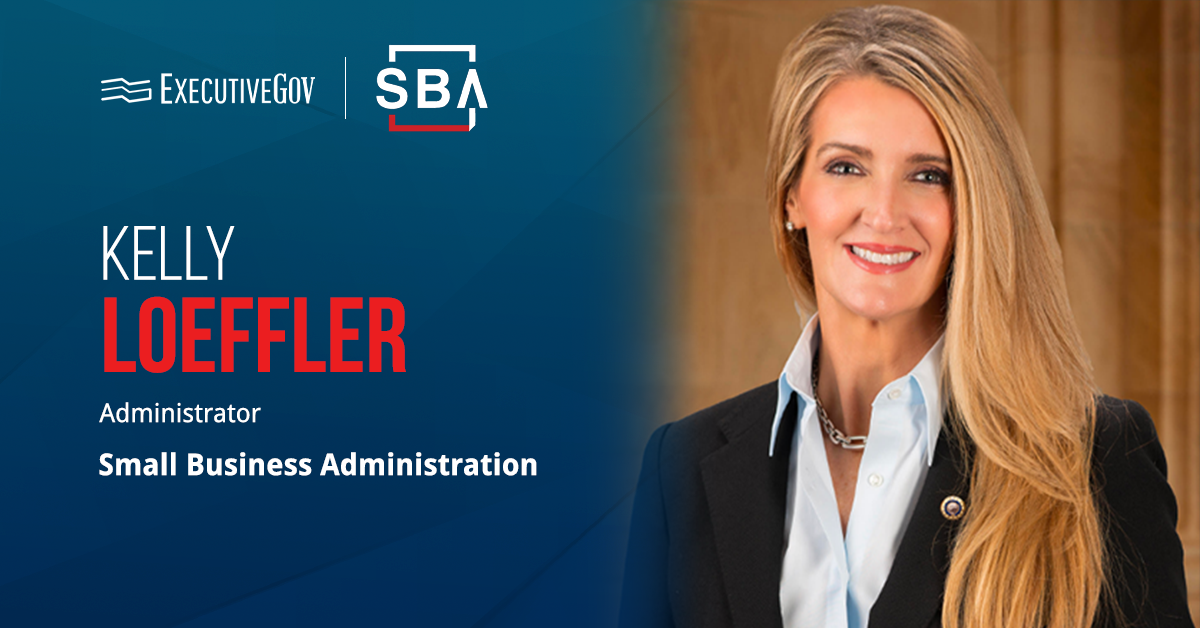
The agency now refers to permanent residents as “foreign nationals.” The SBA maintains that these individuals should not benefit from American taxpayer dollars, despite the fact that permanent residents pay federal taxes.
How does this policy affect immigrant entrepreneurs?
Business owners who previously relied on these loans for expansion now face a lockout. Sayuri Tsuchitani, a green card holder from Japan, used an SBA loan to grow her “Japanese Headspa” from one location to three and increase her staff from one to 10 employees.
In Fresno, California, Cristina Foanene and her husband used three SBA loans to expand their glass company, which employs 30 local residents. Foanene, now a citizen, noted that without such loans, the ability to create jobs and expand manufacturing space is hindered.
Last year, approximately 4% of SBA loans were issued to businesses involving permanent residents. While a small percentage of total loans, Eda Henries, a small business adviser, described the abrupt change as a “shock to the system.”
What are the economic implications of the loan cutoff?
The SBA is often the first lender to offer affordable rates to entrepreneurs. Eda Henries warns that the lockout happened so abruptly that some business owners were left in a lurch while in the middle of underwriting deals with lenders.
One estimate indicates that foreign-born individuals have launched two-thirds of the most valuable startups worth over $1 billion. The restriction on loans may impact the rate at which these high-value companies are formed.
What may happen next for non-citizen business owners?
Business owners who cannot access SBA funding may turn to riskier or predatory lending options to sustain their operations. This shift could increase the financial vulnerability of immigrant-owned firms.
Some entrepreneurs may choose not to start new companies or stop growing existing ones. According to Eda Henries, this trend could potentially hurt the overall U.S. economy.
Frequently Asked Questions
Who is no longer eligible for SBA loans?
Anyone who is not a U.S. citizen, including legal permanent residents and green card holders, is no longer eligible for loan approval.
What percentage of SBA loans went to permanent residents last year?
About 4% of SBA loans went to businesses involving permanent residents.
What is the primary justification for the policy change?
The SBA stated the rules ensure limited resources are directed toward American citizens rather than noncitizens.
Do you believe government-backed business loans should be limited strictly to citizens, or should legal permanent residents remain eligible?