
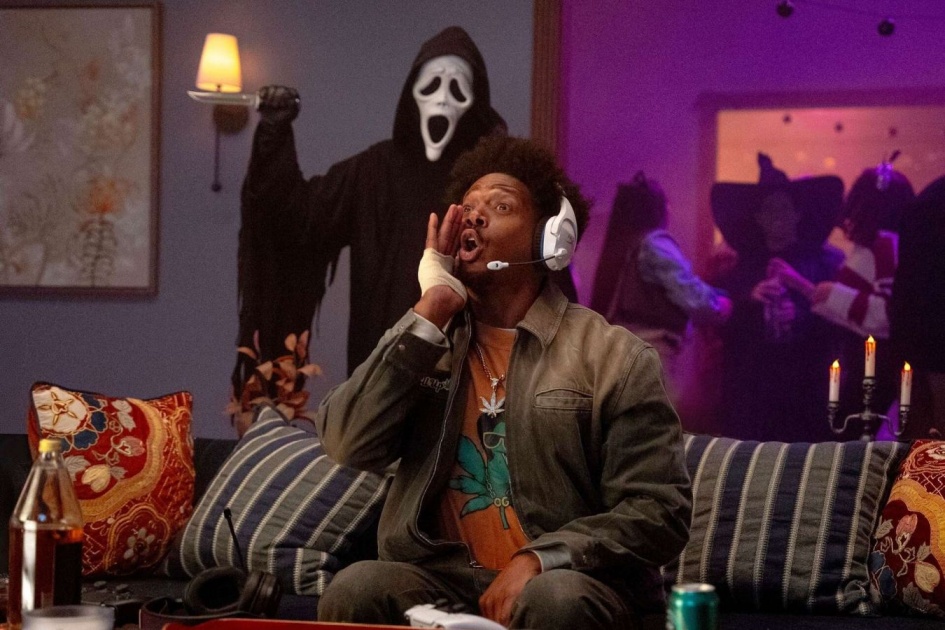
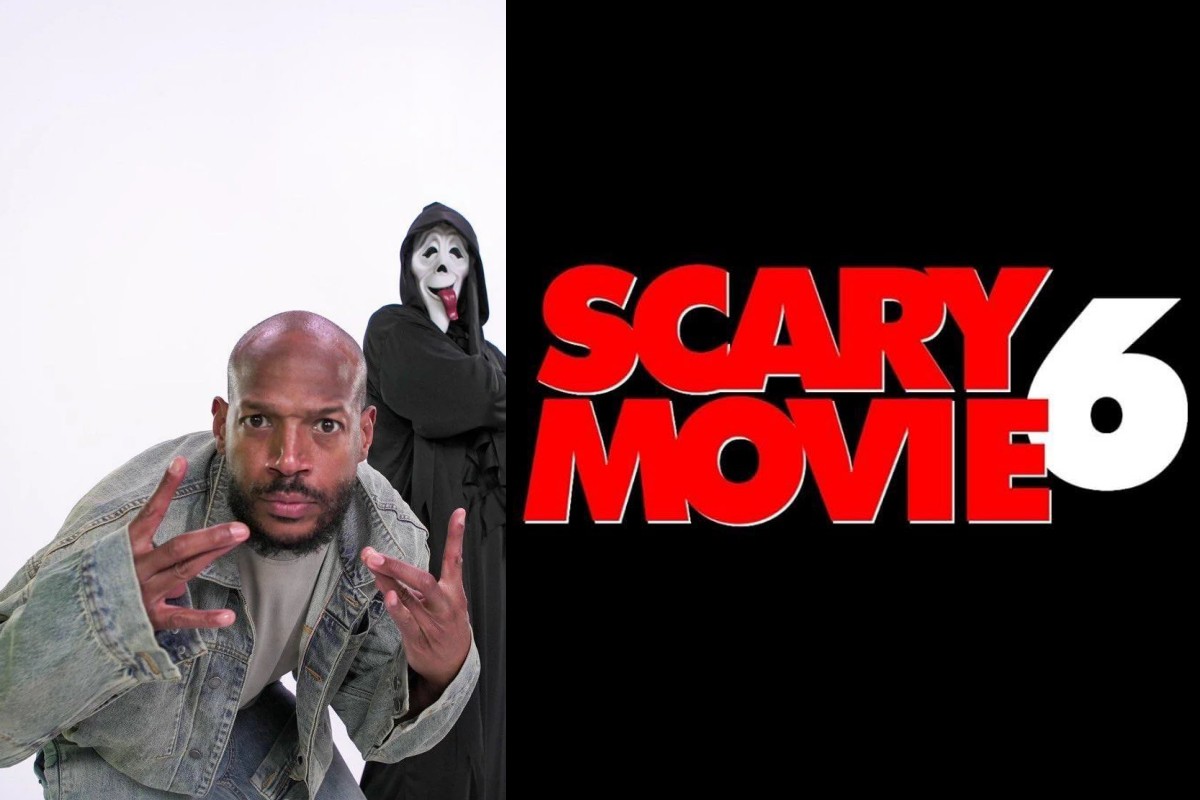
Scary Movie 6 Premiere Officially Released in Theaters
The Parody Renaissance: Why ‘Scary Movie 6’ Is Only the Beginning
The return of the Scary Movie franchise with its sixth installment marks a fascinating shift in Hollywood’s current landscape. After years of the parody genre lying dormant, its revival signals that audiences are finally craving a meta-commentary on the deluge of modern horror hits. But is this a one-off nostalgia trip, or the start of a broader trend in comedic cinema?
The Anatomy of Modern Parody
Modern audiences consume content differently than they did in the early 2000s. The original Scary Movie films thrived on broad physical comedy and recognizable tropes. Today’s landscape is driven by “elevated horror”—films like Smile or Longlegs—which provide ripe, sophisticated material for satire. By leaning into the absurdity of these serious films, creators like Michael Tiddes are tapping into the “internet brain” phenomenon, where dissecting and mocking media is a core part of the viewing experience.
Why Critics and Fans Are Often at Odds
The critical reception to Scary Movie 6 has been tepid, with many reviewers calling it a “bunch of disjointed jokes.” However, there is often a disconnect between professional critics and the general public. While critics look for cohesive storytelling and character arcs, fans of the genre are looking for a “greatest hits” compilation of the year’s funniest cinematic moments. This divide highlights a growing trend: community-driven entertainment vs. prestige cinema.
Is the “Mashup” Model Sustainable?
The reliance on existing intellectual property (IP) is at an all-time high. Parody films are unique because they act as a mirror to the industry itself. As studios continue to churn out sequels and reboots, the demand for content that pokes fun at this saturation will likely increase. We are entering an era where meta-humor is becoming the primary language of pop culture.
The Future of Satire in the Streaming Era
With the rise of streaming platforms, we expect to see a shift toward “micro-parodies.” Instead of waiting years for a theatrical release, audiences now see rapid-fire satire on platforms like YouTube and Instagram. The challenge for legacy franchises like Scary Movie will be to offer a production value and cast chemistry that can’t be replicated by independent creators.
FAQ: The State of Comedy
- Why do critics often dislike parody films? Critics generally prioritize narrative structure and original storytelling, while parodies prioritize rapid-fire gags and cultural relevance.
- Will we see more parody films in the next five years? Yes. As audiences become more fatigued by serious, dark franchise films, lighthearted satire serves as a necessary “palate cleanser.”
- Is the original cast necessary for a parody to succeed? While nostalgia helps, the success of the genre relies more on the writers’ ability to stay current with modern internet culture than on the return of original actors.
What’s your take on the revival of the Scary Movie franchise? Do you think the genre still holds the same magic it did two decades ago, or has the internet changed the way we consume satire? Drop a comment below and let us know which horror film you think deserves to be parodied next!
Don’t miss out on our deep dives into the film industry—subscribe to our weekly newsletter for the latest trends in cinema and entertainment.