
Scientists Detect Massive Structure Under Antarctica
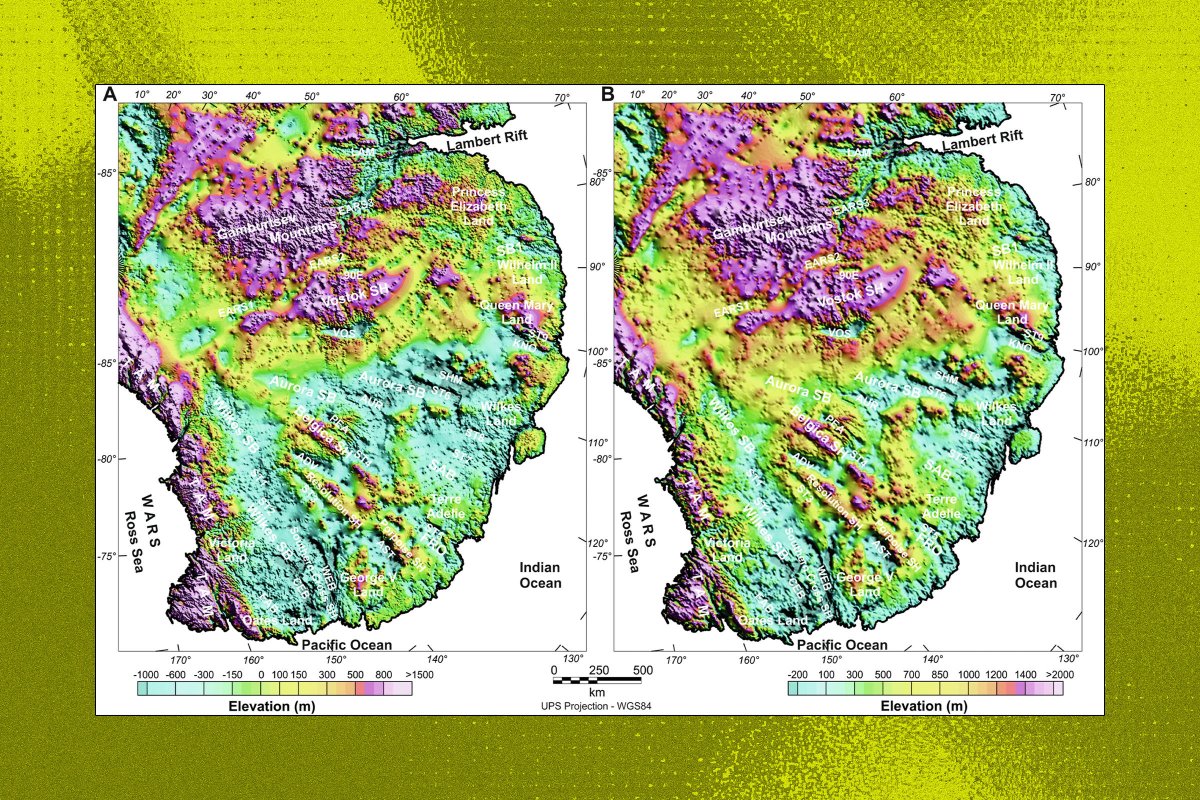
Researchers have discovered the East Antarctic Fan-shaped Basin Province (EAFBP), a monumental geological structure buried two miles beneath the ice. According to a paper published in the journal Nature, this province connects several known landforms, including Lake Vostok and the Wilkes and Aurora basins, potentially influencing how half of the East Antarctic Ice Sheet responds to climate change.
What is the East Antarctic Fan-shaped Basin Province?
The East Antarctic Fan-shaped Basin Province is a massive subglacial network that researchers have only recently recognized as a single, cohesive unit. For years, scientists studied the region’s features in isolation. They looked at Lake Vostok—the largest subglacial lake on the planet—and the Wilkes and Aurora subglacial basin region as separate entities.
A recent press release explains that these features were essentially pieces of a larger puzzle. When viewed together, they form a continent-scale structure that is likely one of the largest of its kind on Earth. This province isn’t just a curiosity; it’s a foundation that shapes the environment above it.
How did this massive structure form?
The formation of the EAFBP wasn’t a sudden event. Instead, it resulted from a geological process called “distributed rotational extension.” This occurs when the Earth’s continental crust slowly stretches outward from a central point over millions of years.
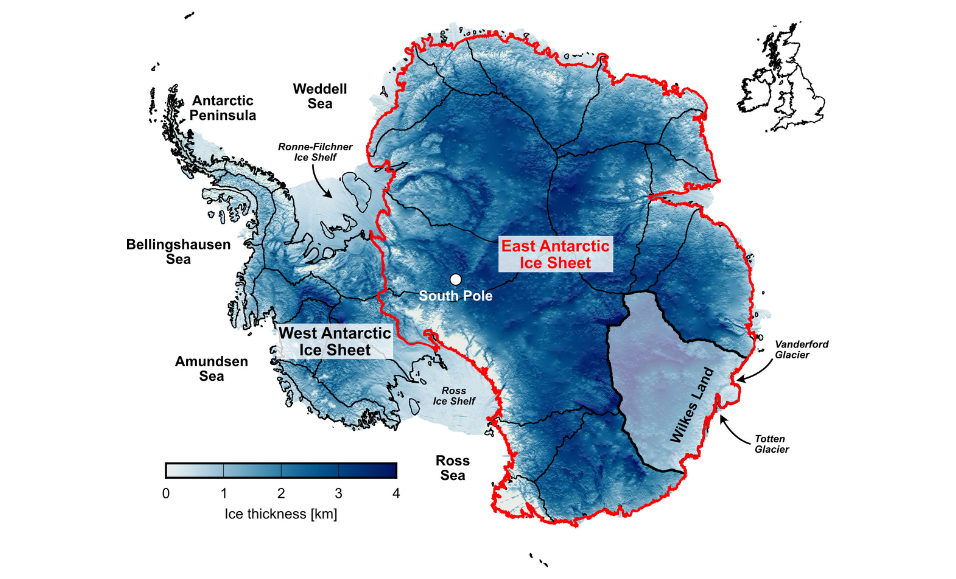
By analyzing the way the crust shifted, researchers concluded that the land beneath the ice was pulled apart in a radial pattern. This created the “fan” shape that gives the province its name. This stretching created the deep basins that now hold massive amounts of ice and hidden lakes.
Why does this discovery matter for future ice stability?
The discovery changes how we view the stability of the East Antarctic Ice Sheet. Because these basins underlie about half of the ice sheet, they play a critical role in how ice moves toward the ocean.
The study’s authors write that these basins “are likely to heavily influence both ice-flow and landscape evolution, making them essential to Antarctic glacial and hydrological processes.” In simpler terms, the shape of the rock two miles down determines how fast the ice above it can slide.
This is particularly urgent as the planet warms. Understanding the EAFBP helps scientists predict how the three major ice sheets might respond to a warming climate. If the bedrock is shaped in a way that facilitates faster ice flow, the risk of sea-level rise could be higher than previously estimated.
How was a structure two miles deep mapped?
Scientists couldn’t simply drill holes across the entire continent to find the EAFBP. Instead, they used a “buffet” of remote sensing data to see through the ice. This included:
- Gravity measurements: Detecting differences in mass beneath the surface.
- Magnetic data: Analyzing the magnetic signatures of the crust.
- Geological observations: Using existing samples and surface data.
- Crust models: Creating digital representations of the Earth’s interior.
By layering these datasets, the researchers were able to visualize the fan-shaped pattern that had remained hidden for millions of years.
This level of mapping is similar to the urgency seen in other parts of the continent, where scientists are scrambling to set up outposts on rapidly melting glaciers to gather data before the ice vanishes.
Frequently Asked Questions
What is the East Antarctic Fan-shaped Basin Province?
It is a massive geological structure located two miles beneath the East Antarctic Ice Sheet, consisting of several connected subglacial basins and lakes.
How did the EAFBP form?
According to the study published in Nature, it formed through “distributed rotational extension,” where the continental crust stretched outward from a central point over millions of years.
Does this affect sea levels?
Yes. Because the province underlies about half of the East Antarctic Ice Sheet, it influences ice-flow and hydrological processes, which are key factors in predicting ice sheet response to a warming climate.
What are the main components of the province?
The structure includes the Wilkes and Aurora subglacial basin region and Lake Vostok.
Want to stay on the bleeding edge of science?
The hidden depths of Antarctica are just the beginning. Join our community to get the latest breakthroughs in geology and climate science delivered to your inbox.