

Scientists Find Intriguing Link Between Ozempic and Violent Behavior
Current users of GLP-1 medications, such as semaglutide, show a significantly weaker link between impulsivity and violent behavior, according to a Rutgers University study published in the journal Criminology. Lead author Daniel Semenza reports that these drugs may influence behavioral pathways related to violence risk, though the findings are observational and do not yet prove a cause-and-effect relationship.
How do GLP-1 drugs affect violent behavior?
Researchers at Rutgers University found that the relationship between impulsivity and violence was approximately 62% weaker in people currently taking GLP-1s compared to former users. The study also noted the link between alcohol use and violence was 52% weaker in current users, though further analysis showed less clear evidence regarding alcohol specifically.

The team analyzed data from a nationally representative survey of 7,521 U.S. adults. Of those, 821 reported having taken a GLP-1, with 597 currently using the medication.
Participants answered questions about alcohol use and impulsivity, including their interest in fistfights or high-speed chases. They also reported any involvement in violent crimes over the previous year under a guarantee of confidentiality.
Why does this behavioral shift occur?
Daniel Semenza, director of research at the New Jersey Gun Violence Research Center at the Rutgers School of Public Health, stated that GLP-1 receptor agonists appear to affect behavioral control, stress regulation, craving, and reward processing.
Prior research indicates these drugs can reduce harmful cravings for recreational drugs or alcohol. Semenza noted that because impulsivity and alcohol use are established risk factors for violence, the drugs’ effect on reward processing may weaken how those tendencies translate into violent acts.
What happens next in the research?
The authors caution that the current study is cross-sectional and observational. It cannot be used to claim that GLP-1s directly eliminate violence or prevent crime.
Semenza stated that a possible next step involves using large-scale administrative and longitudinal datasets. This approach may allow researchers to better address timing and causality.
The research team is particularly interested in whether these patterns emerge when tracking medication use alongside criminal legal system involvement over time. Semenza noted that the scientific community is only beginning to understand the broader behavioral effects of these medications.
Frequently Asked Questions
Which specific medications are mentioned in the study?
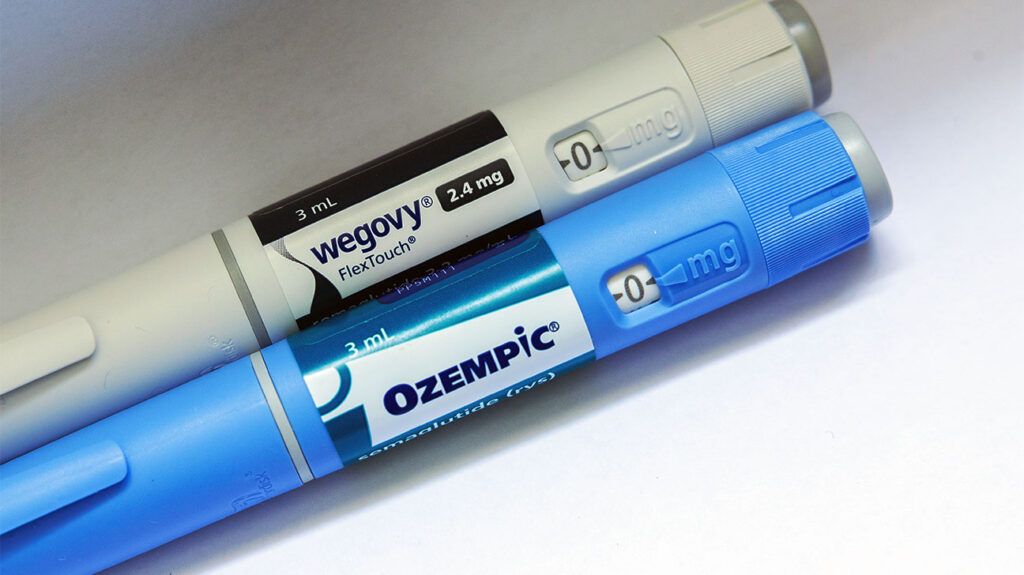
The study references GLP-1 drugs, specifically semaglutide, which is the active ingredient in Ozempic and Wegovy.
What was the primary finding regarding impulsivity?
The link between impulsivity and violent behavior was found to be about 62% weaker in current GLP-1 users than in former users.
Does this study prove that GLP-1s can stop crime?
No. The authors state the study is observational and cross-sectional, meaning it cannot show a cause-and-effect link or prove that the drugs directly eliminate violence.
Do you think behavioral health should be a primary focus for future weight-loss medication research?