
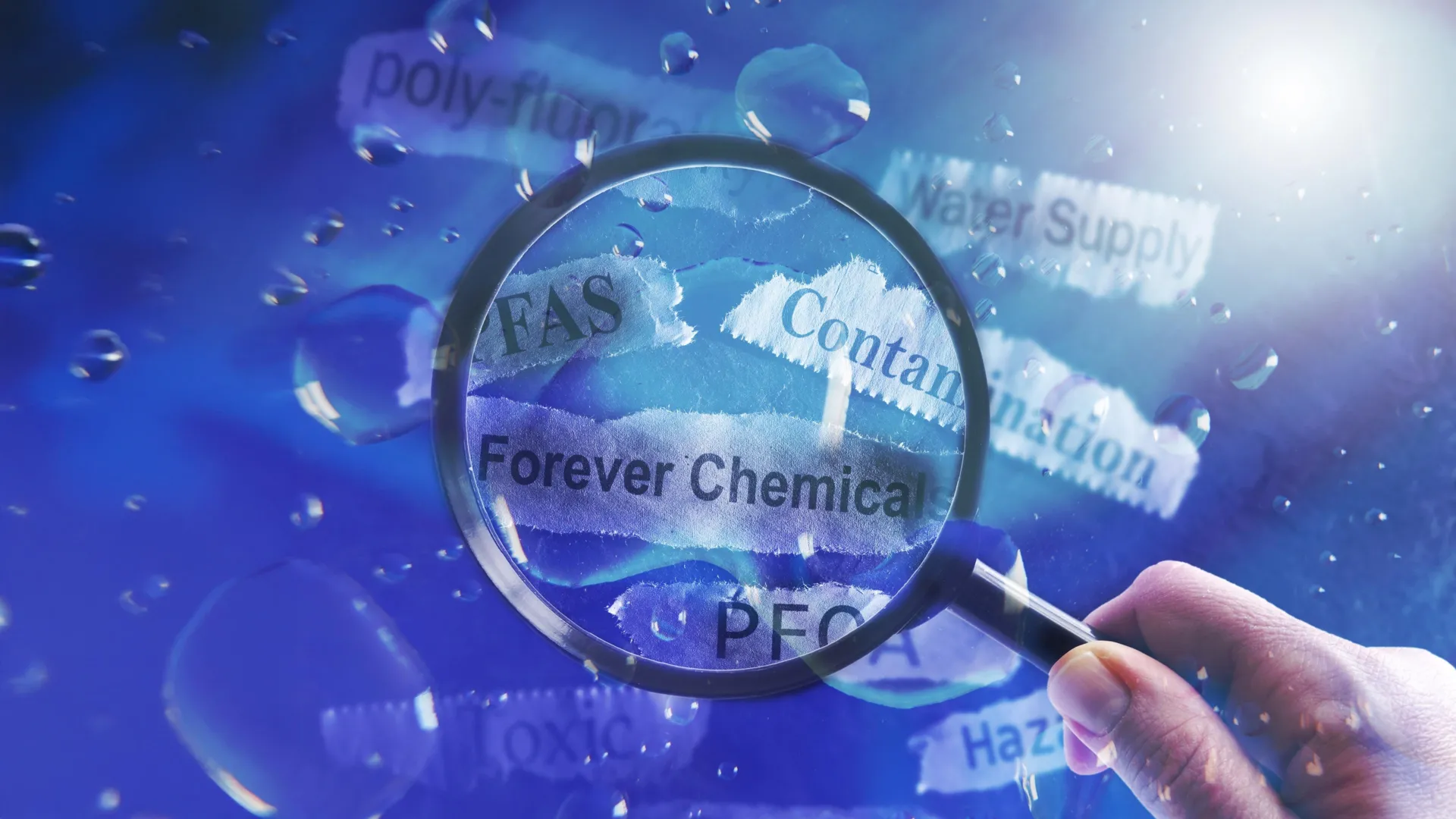
Scientists just found a hidden weakness in forever chemicals
Researchers have identified hydrogen radicals as a primary driver for breaking down per- and polyfluoroalkyl substances (PFAS), a discovery that could transition water treatment from simple filtration to permanent chemical destruction. According to a study led by Associate Professor Zongsu Wei of Aarhus University, these reactive particles, generated when ultraviolet light hits water, successfully dismantle the carbon-fluorine bonds that make “forever chemicals” so persistent.
How Hydrogen Radicals Destroy PFAS Molecules
Hydrogen radicals act as the primary chemical agent in breaking down PFAS by stripping away fluorine atoms. This process effectively dismantles the molecules into smaller, less stable substances. According to the Aarhus University research team, this reaction is most efficient when exposed to high-energy ultraviolet light at wavelengths below 300 nanometers. By pinpointing this specific mechanism, scientists have moved past the previous reliance on other reactive species, providing a clearer blueprint for designing future water treatment systems.
PFAS are known as “forever chemicals” because their carbon-fluorine bonds—among the strongest in organic chemistry—do not naturally degrade in the environment, allowing them to persist in human blood and ecosystems for decades.
Why Current Filtration Methods Are Insufficient
Most existing water treatment technologies do not eliminate PFAS; they merely relocate them. Current industry standards, such as granular activated carbon or ion exchange resins, capture these chemicals from drinking water but leave behind concentrated waste that still requires disposal. According to Associate Professor Zongsu Wei, these methods fail to solve the core problem of chemical persistence. The goal of the new research is to transition the industry toward “degradation,” where the molecular structure is completely destroyed rather than just filtered.

Challenges to Scaling PFAS Destruction
While the discovery of hydrogen radical-driven degradation is a scientific breakthrough, it is not yet a ready-to-use solution for municipal water plants. The researchers note that the current process remains relatively slow and carries the risk of forming intermediate compounds during the breakdown phase. Transitioning this laboratory-scale chemistry to a scalable, green technology requires further engineering to ensure that the UV-exposure process is both energy-efficient and capable of handling large volumes of water.
| Method | Primary Function | Status |
|---|---|---|
| Activated Carbon | Filtration/Removal | Widely Used |
| UV-Hydrogen Radical | Molecular Destruction | Experimental |
If you are concerned about water quality, check your local water utility’s Consumer Confidence Report (CCR). Many municipalities now provide specific testing data regarding PFAS levels in local aquifers.
Frequently Asked Questions
What are PFAS?
PFAS (per- and polyfluoroalkyl substances) are a group of synthetic chemicals used since the 1940s in products like non-stick cookware, firefighting foams, and waterproof textiles. They are linked to health risks including liver damage and hormone disruption.
Can current water filters remove PFAS?
Many household filters can remove a significant portion of PFAS from drinking water. However, these filters only capture the chemicals; they do not destroy them, necessitating the eventual disposal of contaminated filter media.
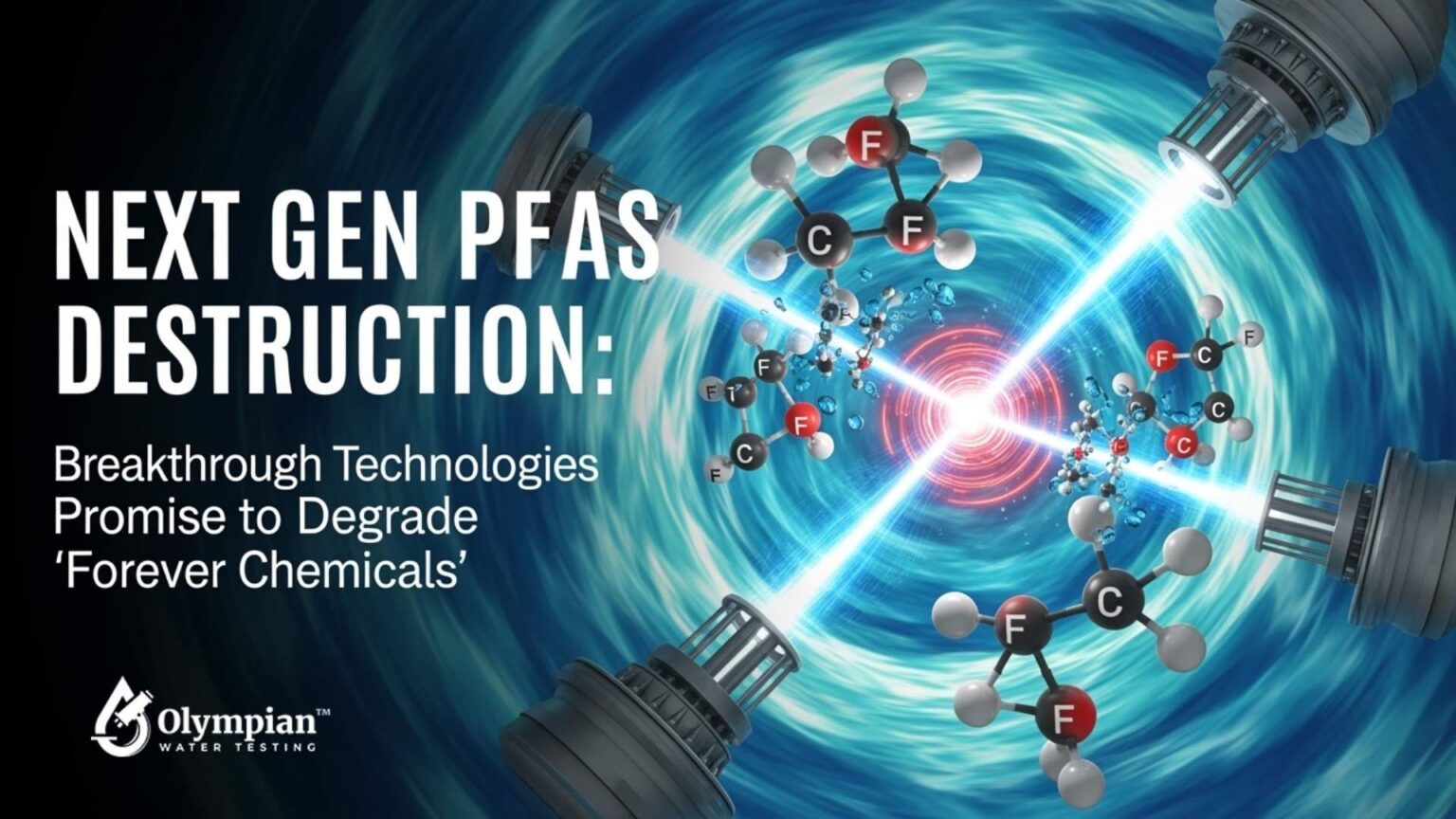
Is there a way to permanently destroy PFAS?
Emerging research, such as the UV-light and hydrogen radical method, aims to destroy PFAS molecules. While these technologies are currently in the experimental phase, they represent the future of sustainable water remediation.
Have you read our latest report on the health impacts of chemical contaminants in local water supplies? Subscribe to our newsletter for weekly updates on environmental science and public health policy.