
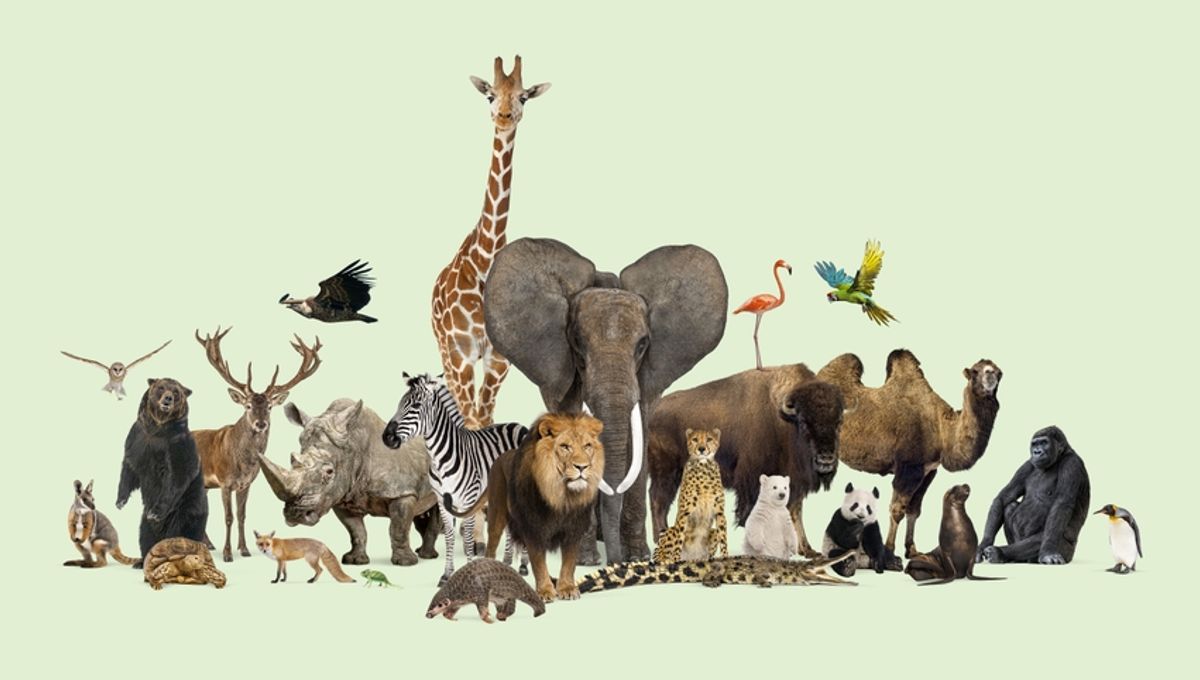
Scientists Think Animals, Plants, And Fungi Share An Ancient “Asgardian” Ancestor
The Asgardian Connection: Rethinking the Origins of Complex Life
For decades, biology textbooks have struggled to explain the “missing link” between simple, single-celled organisms and the complex, membrane-bound cells—eukaryotes—that make up every plant, animal, and fungus on Earth. We now know that the answer may be hiding in plain sight at the bottom of the ocean.
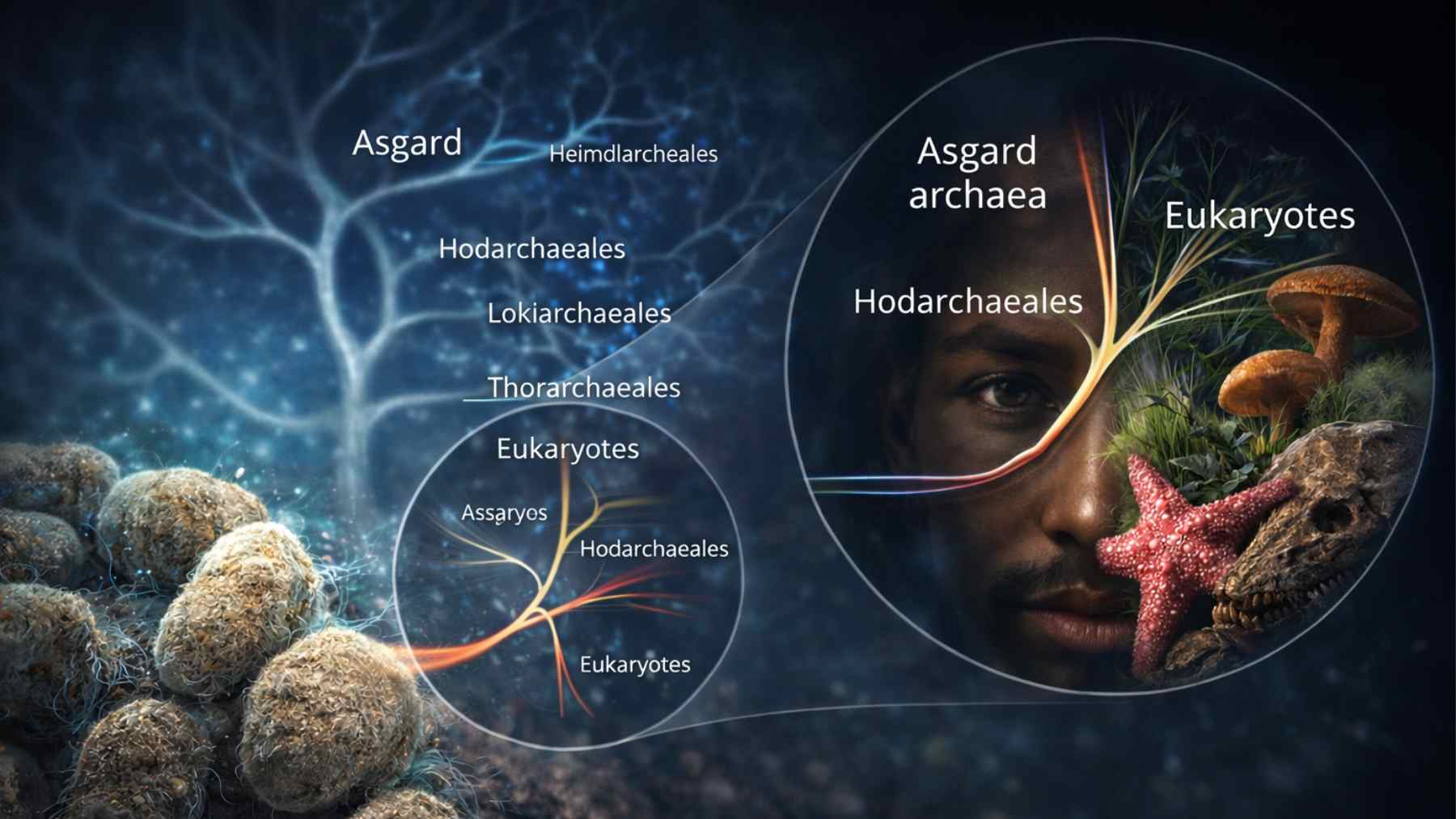
The discovery of Asgard archaea has fundamentally shifted our understanding of evolutionary biology. By analysing microbial genomes, researchers have identified a specific lineage—the Hodarchaeales—that acts as a “sister group” to all eukaryotic life. Essentially, we are looking at our own ancient, microscopic cousins.
From Deep-Sea Sediments to the Tree of Life
These organisms aren’t just scientific curiosities; they are genetic time capsules. Found in marine sediments and geothermal hot springs, these microbes possess proteins previously thought to be exclusive to complex cells. This suggests that the evolutionary leap from simple to complex life wasn’t a sudden miracle, but a gradual transition involving an intimate symbiotic relationship between archaea and oxygen-using bacteria.
Did you know? Scientists have named these microbes after Norse mythology because they represent the “gods” of the microbial world. Just as Asgard is the realm of the gods, these archaea provide the foundational “blueprints” for the complex life we see today.
Future Trends: What Comes Next in Evolutionary Research?
The study of Asgard archaea is opening doors to entirely new fields of scientific inquiry. As we improve our ability to sequence ancient genetic data, expect to see the following trends emerge:
1. The Rise of “Paleo-Genomics”
Instead of relying solely on physical fossils, researchers are increasingly using “molecular fossils.” By reconstructing the metabolic pathways of ancient microbes, scientists are building a digital map of how early life survived in Earth’s harsh, oxygen-poor environments. This allows us to “rewind” time without needing a physical fossil record.
2. Synthetic Biology and Origins of Life
As we map these ancient proteins, synthetic biologists are beginning to experiment with them in the lab. By inserting Asgard-like genetic sequences into modern microbes, researchers hope to observe the transition to complexity in real-time. This could revolutionize our understanding of how cellular organelles, like the nucleus or mitochondria, first formed.
3. Searching for Life Beyond Earth
Understanding the specific conditions—and the genetic requirements—that allowed complex life to arise on Earth is a game-changer for astrobiology. If we know the “recipe” for eukaryogenesis, we can better target our search for life on moons like Europa or Enceladus, where similar deep-sea environments might exist.

Pro Tip: Want to dive deeper into the science of evolution? Keep an eye on Nature and Science journals for upcoming papers on “horizontal gene transfer,” which is often cited as the catalyst for the jump to complex cellular structures.
Frequently Asked Questions
- What are Asgard archaea? They are a group of single-celled organisms that share more genetic similarities with complex eukaryotes than any other known prokaryote.
- Why are they called “Asgardian”? The name is a nod to Norse mythology, reflecting the group’s “god-like” status as the ancestors of all complex life.
- How do these microbes help us understand human evolution? By comparing our DNA to these ancient lineages, scientists can identify the exact proteins and mechanisms that allowed our ancestors to transition from simple, single-celled life to multicellular organisms.
- Can we grow these microbes in a lab? It’s notoriously difficult, as they are adapted to extreme, specific environments like deep-sea vents, but researchers are making strides using advanced bioreactor technology.
Join the Conversation: Does the idea that we share a genetic history with deep-sea microbes change how you view humanity’s place in the universe? Share your thoughts in the comments below, or subscribe to our newsletter for the latest updates on the origins of life.