
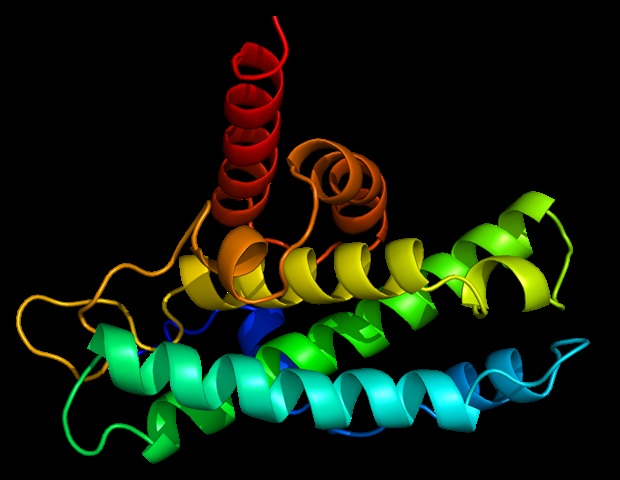
Scientists unlock molecular structure of key protein linked to cancer, neurological diseases
Mayo Clinic researchers have mapped the molecular structure of protein kinase C beta (PKCβ), a protein linked to cancer and Alzheimer’s disease, according to a study published in Nature Communications. This discovery reveals how the breast cancer drug endoxifen inhibits the protein, providing a structural blueprint for precision therapies targeting the 10-member PKC protein family.
How did Mayo Clinic solve the 40-year PKC structure mystery?
Scientists have struggled to determine the full-length structure of human PKC enzymes since their discovery in the 1980s. Traditional methods relied on proteins generated using insect cells, which failed to mirror the protein’s natural human state.

Senior author Matthew Schellenberg, Ph.D., a molecular biologist at Mayo Clinic, led a team that produced human PKC enzymes within human cells. This shift in methodology allowed the team to obtain high-quality material and finally visualize the organization of PKCβ1 and PKCβ2.
The resulting images show that PKCβ activates when it interacts with lipid membranes inside cells. According to the study, these membranes act as a “molecular lever,” shifting the enzyme from a closed, inactive state to an open, active state by exposing its active site.
Why is endoxifen’s effect on PKCβ different from other drugs?
The research identifies a unique way the breast cancer drug endoxifen interacts with the protein. Most previous PKC inhibitors attempted to compete directly for the protein’s active site. Endoxifen uses an “allosteric mechanism,” meaning it changes the protein’s behavior without competing for that specific site.

Data from the study indicates that endoxifen stabilizes PKCβ at cellular membranes. This stabilization triggers a process that leads to the protein’s degradation.
Matthew Goetz, M.D., a medical oncologist at Mayo Clinic Comprehensive Cancer Center, stated that this distinction may explain why endoxifen shows biological effects that earlier compounds did not.
What happens next for precision cancer treatment?
The ability to see the structure of PKCβ allows researchers to move toward “context-specific” drug design. Because different PKC isoforms have opposing roles in cell growth, the goal is to inhibit the proteins that drive tumors while leaving protective proteins alone.
Mayo Clinic is currently applying these findings to study premenopausal women with estrogen receptor-positive breast cancer. The team is investigating if the degradation of PKCβ is a primary driver of endoxifen’s anticancer activity.
The long-term objective, according to Dr. Schellenberg, is to expand this structural analysis to all 10 members of the PKC family. This would enable the design of drugs that target the right protein in the right biological context.
| Feature | Traditional PKC Inhibitors | Endoxifen (per Mayo Clinic) |
|---|---|---|
| Mechanism | Competitive (targets active site) | Allosteric (changes behavior) |
| Outcome | Blocks protein activity | Triggers protein degradation |
| Specificity | Often lower across isoforms | Potential for higher precision |
Frequently Asked Questions
What is PKCβ?
Protein kinase C beta is a molecular switch that regulates how cells grow, survive, and behave. It is linked to the progression of Alzheimer’s and various cancers.

How does endoxifen fight breast cancer?
According to Mayo Clinic, endoxifen inhibits PKCβ through an allosteric mechanism that stabilizes the protein at the cell membrane, eventually leading to its degradation.
Why did previous research fail to map this protein?
Previous attempts used insect cells to produce the proteins, which did not accurately represent the human structure. Mayo Clinic succeeded by using human cells.
Want to stay updated on the latest breakthroughs in precision medicine?
Share your thoughts on these findings in the comments below or subscribe to our medical research newsletter for weekly insights.