

Scotland’s Tartan Army Takes Over Boston During 2026 World Cup
An estimated 40,000 to 50,000 Scottish football fans, known as the “Tartan Army,” have descended on Boston, Massachusetts, to support their national team during the 2026 World Cup. The surge of supporters follows Scotland’s qualification for the tournament after a nearly 30-year absence, marking their ninth appearance in the competition. According to reports, the fans have established a visible presence in the city, with local officials and residents noting both their significant economic activity and their respectful conduct during the event.
Despite Scotland’s long history of qualifying for the World Cup, the team has never advanced past the group stage in its eight previous tournament appearances. The current squad is seeking to reach the knockout rounds for the first time in history.
The Impact of the Tartan Army on Boston
The influx of visitors has created a notable cultural and economic ripple effect across Boston. Cara DiBenedetto, a 54-year-old North End resident, told the AFP that the presence of the fans has “renewed” her appreciation for the city as she watched them explore local landmarks. Local businesses have also reported high demand; NBC News documented at least one local bar running out of its house blonde ale over the weekend due to the increased patronage.
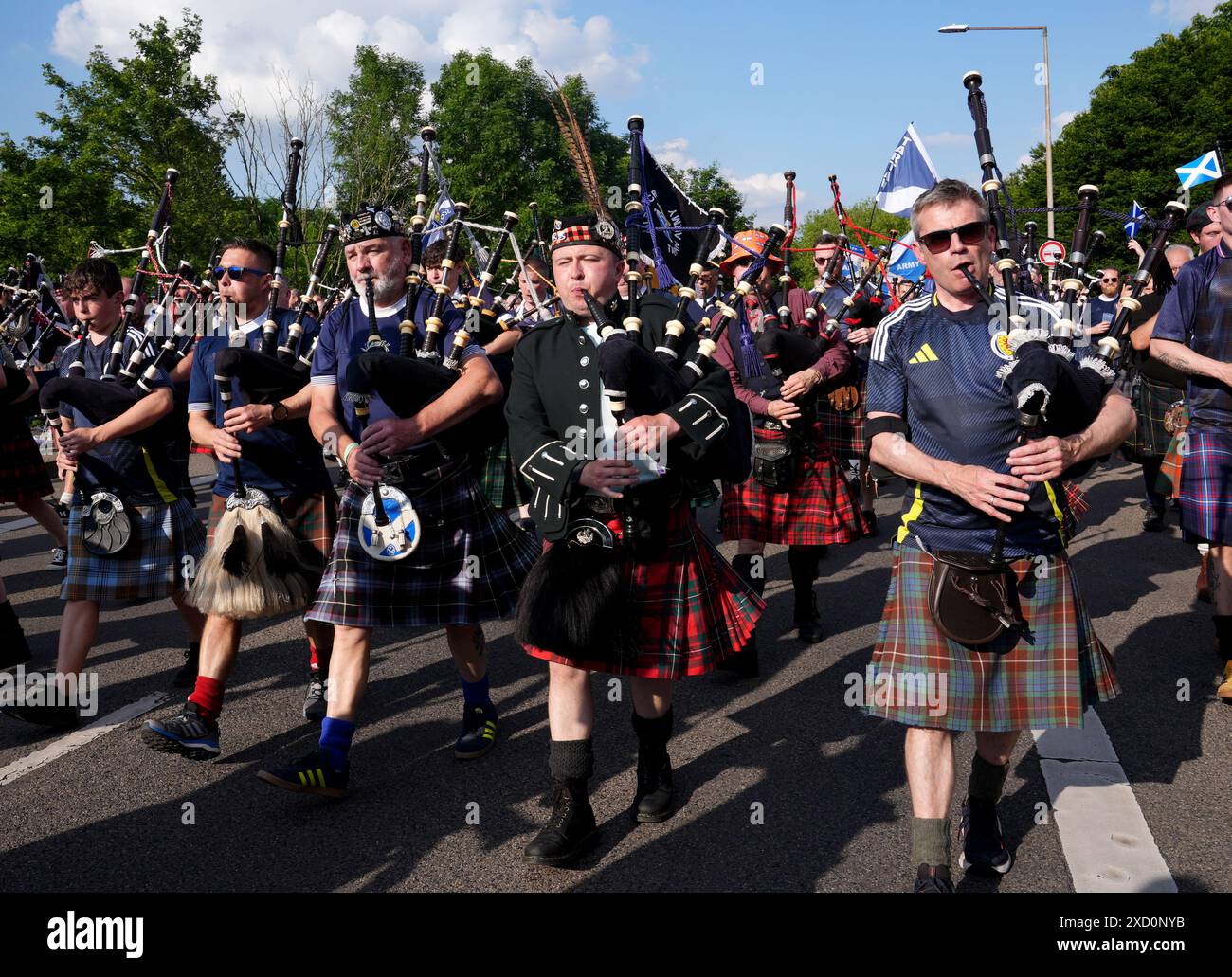
While the fans are known for their tradition of consuming alcohol in host cities, local workers have characterized the current wave as respectful. “They drink a little more than we thought, but we appreciate it,” said Chris Wildt, a 49-year-old bartender at the Black Rose. The fans also integrated into the city’s broader sports culture, attending a Major League Baseball game between the Boston Red Sox and the Texas Rangers at Fenway Park on Sunday.
Samantha Carter notes that the “Tartan Army” represents a specific phenomenon in international sports: the traveling supporter base that functions as a mobile cultural entity. By consistently appearing in traditional kilts and maintaining high-energy vocal support, these fans do more than watch a match; they transform the local hospitality landscape. The challenge for the team, however, remains the transition from being a popular presence to becoming a competitive force on the field.
What Happens Next for the Scottish Team
Scotland currently holds a 1-0 record in Group C following their victory over Haiti at the Gillette Stadium in Foxborough. Midfielder Lewis Ferguson stated that the team relies heavily on the constant support of their traveling fans. However, the squad faces a difficult path to the knockout stage, with upcoming matches against Morocco—a 2022 semifinalist ranked seventh globally—and the five-time champion, Brazil.
The team is expected to relocate to Miami for their next match, where they will continue their campaign. Captain Andy Robertson acknowledged the pressure of the moment, stating that the responsibility now lies with the players to provide a performance worthy of the supporters who have traveled across the Atlantic.
Frequently Asked Questions
Why did thousands of Scottish fans travel to the United States?
They traveled to support the Scottish national team, which qualified for the World Cup for the first time in nearly 30 years.

How have local residents in Boston reacted to the fans?
Residents and service workers have described the fans as respectful and a positive presence, noting that they have enjoyed watching the visitors explore the city.
What is Scotland’s goal for this World Cup?
The team aims to reach the knockout stages of the tournament for the first time in their history, following a victory against Haiti in their opening match.
Will the intense support from the Tartan Army be enough to help Scotland overcome their upcoming opponents, Brazil and Morocco?