
/data/photo/2026/06/12/6a2b7a84751e2.jpg "Scottish Island Wrens Evolving Into New Species Through Parallel Evolution")
Scottish Island Wrens Evolving Into New Species Through Parallel Evolution
Eurasian wrens living on remote Scottish islands are evolving into distinct species through a process of rapid genetic divergence, according to research from the University of Birmingham. Scientists have observed that populations in Shetland, Fair Isle, Outer Hebrides, and St Kilda have developed unique physical traits and songs, with some individuals reaching double the body weight of their mainland counterparts.
Why are these birds growing twice as large?
The phenomenon driving this change is known as island gigantism, a process where isolated species adapt to environments lacking traditional mainland predators. Dr. Michał Jezierski, lead author of the study published in IFL Science, notes that while mainland Eurasian wrens typically weigh between 7 and 10 grams, those on St Kilda can reach 16 grams. This size increase provides a survival advantage in resource-stable island ecosystems where the usual pressures of mainland competition are absent.
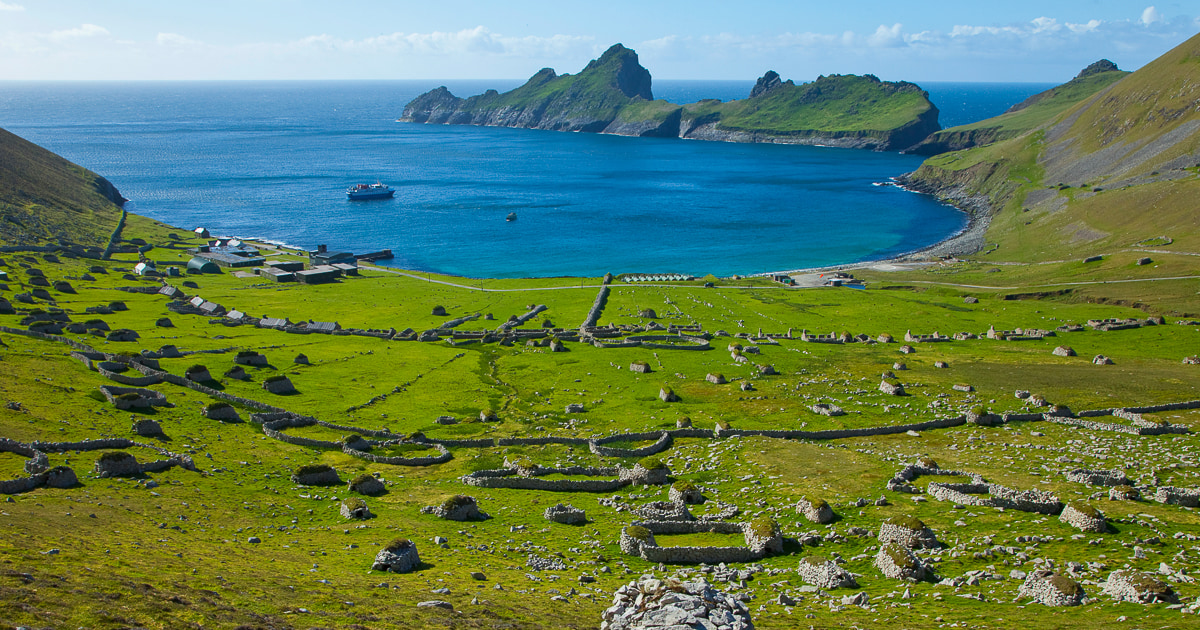
Island gigantism isn’t universal. While some species grow larger to dominate their niche, others undergo “island dwarfism,” shrinking in size when resources are scarce or when they no longer need to defend against large predators.
How does parallel evolution shape island species?
The research reveals a complex genetic history behind the wrens’ physical similarities. Despite looking nearly identical, the “giant” wrens of Shetland and St Kilda achieved their size through completely different genetic pathways. According to Dr. Jezierski, this represents a case of “parallel evolution,” where independent populations arrived on different islands from the British mainland and independently evolved into larger forms to suit their specific surroundings.
Comparison of Evolutionary Outcomes
| Trait | Mainland Wren | St Kilda Wren |
|---|---|---|
| Average Weight | 7–10 grams | Up to 16 grams |
| Genetic Path | Baseline | Unique Island Divergence |
What happens when a population becomes a new species?
The high level of genetic distinction suggests that these island populations are currently on a trajectory toward full speciation. Researchers identified that the Shetland and St Kilda populations are not only genetically distinct from mainland British wrens but also from one another. This isolation acts as a natural laboratory, allowing researchers to observe the mechanics of evolution in real-time as these birds diverge from their ancestral lineage.

If you are interested in tracking how bird populations change over time, check out the British Trust for Ornithology for data on how migration and climate affect local bird habitats.
Frequently Asked Questions
Are these wrens already a different species?
Not yet. While they are recognized as distinct subspecies due to their genetic and physical differences, they are currently in the process of becoming fully independent species.
Why do island animals change size so drastically?
Changes in body size are often responses to the availability of food and the presence or absence of predators. Without mainland competition, traits that would be disadvantageous elsewhere—like being larger—can become beneficial.
Is this happening to other birds in the UK?
The research highlights these specific island groups as prime examples of rapid evolution, but scientists continue to study isolated island populations globally to understand how geography influences genetic drift.
Have you spotted a bird that looks different from others in your area? Share your observations in the comments below or subscribe to our newsletter for more updates on wildlife biology and evolutionary research.