
Senate rejects latest resolution to limit Trump’s Iran war powers
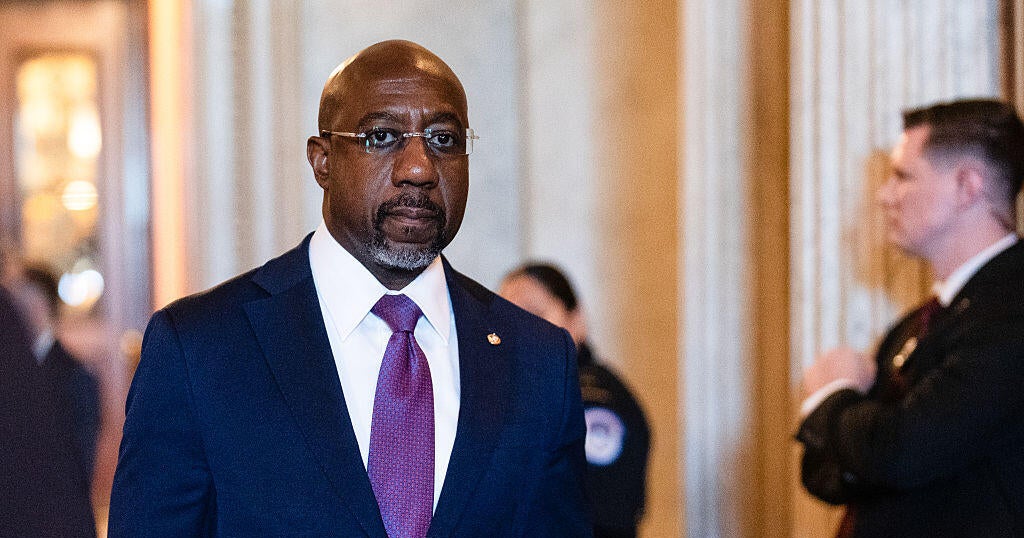
The U.S. Senate narrowly rejected a war powers resolution regarding Iran in a 47-48 vote on Tuesday. The measure, led by Democratic Sen. Raphael Warnock of Georgia, sought to remove U.S. armed forces from hostilities unless authorized by a specific declaration of war or military force authorization. The vote occurred as President Trump promoted a secret framework agreement with Tehran to end the monthslong conflict.
Who voted for the Iran war powers resolution?
Senators rejected a motion to discharge the resolution out of committee by a single vote. Four Republicans — Sens. Susan Collins of Maine, Bill Cassidy of Louisiana, Lisa Murkowski of Alaska, and Rand Paul of Kentucky — voted with nearly all Democrats in favor of the measure.

Sen. John Fetterman of Pennsylvania was the only Democrat to oppose the resolution. Before the vote, Sen. Warnock described the conflict as a “failed war” lasting 109 days and questioned if Republican colleagues would “stand up to this president.”
Why is the U.S.-Iran deal remaining secret?
Lawmakers are currently seeking more information on the terms of a framework agreement that remains confidential. Senate Majority Leader John Thune, a South Dakota Republican, told reporters Tuesday that he requested a briefing from the administration and the actual text of the agreement.
The secrecy comes amid a legal dispute over the War Powers Resolution of 1973. The administration argues this law is unconstitutional. It also claims a statutory 60-day deadline to terminate the use of force was paused by a ceasefire in early April, despite continued attacks from both sides since then.
What happens next with the Kaine resolution?
Senate Minority Leader Chuck Schumer said at a news conference that Democrats are attempting to secure more Republican votes before moving the Kaine resolution forward. Schumer stated that the next steps are “up to Republicans.”
The Senate may eventually take up a separate resolution already passed by the House, which seeks to force the end of the war without congressional authorization. This follows a trend of shifting GOP support; last month, the Senate advanced a resolution to limit war powers in a 50-47 vote after seven previous attempts failed.
Democratic senators, led by Sen. Adam Schiff of California, may continue to press the president for the legal theory behind the administration’s “pause button” interpretation of the 60-day clock. Schiff’s letter argued that lethal force used by the U.S. and Iran after the April ceasefire constitutes ongoing hostilities.
Frequently Asked Questions
What was the final vote count on the war powers resolution?
The Senate rejected the motion to discharge the resolution in a 47 to 48 vote.
Which Republican senators broke ranks to support the resolution?
Sens. Susan Collins, Bill Cassidy, Lisa Murkowski, and Rand Paul voted in favor of the resolution.
What is the administration’s legal argument regarding the 60-day deadline?
The administration asserts that the 60-day deadline to terminate the use of force was paused by a ceasefire in early April.
Do you believe Congress should have more authority to limit the president’s military actions without a formal declaration of war?