

Senegal Appoints Banker as New Prime Minister Amid Economic Crisis
President Bassirou Diomaye Faye has appointed Ahmadou Al Aminou Mohamed Lô, a banker and former minister, to lead the government. The appointment comes three days after the dismissal of former Prime Minister Ousmane Sonko.
Lô is a former official of the Central Bank of West African States (Bceao). He is described as having a deep understanding of economic and financial mechanisms.
Addressing a Critical Debt Crisis
The new appointment occurs as Senegal struggles with a significant financial burden. The country’s debt currently stands at 132% of its GDP.
This economic pressure was a primary source of divergence between President Faye and former Prime Minister Sonko. While Faye seeks to negotiate a new aid programme with the International Monetary Fund (IMF), Sonko advocated for a more sovereignist approach.
In his first statement, Lô acknowledged the “difficult financial situation” of the country but asserted that Senegal remains safe and viable.
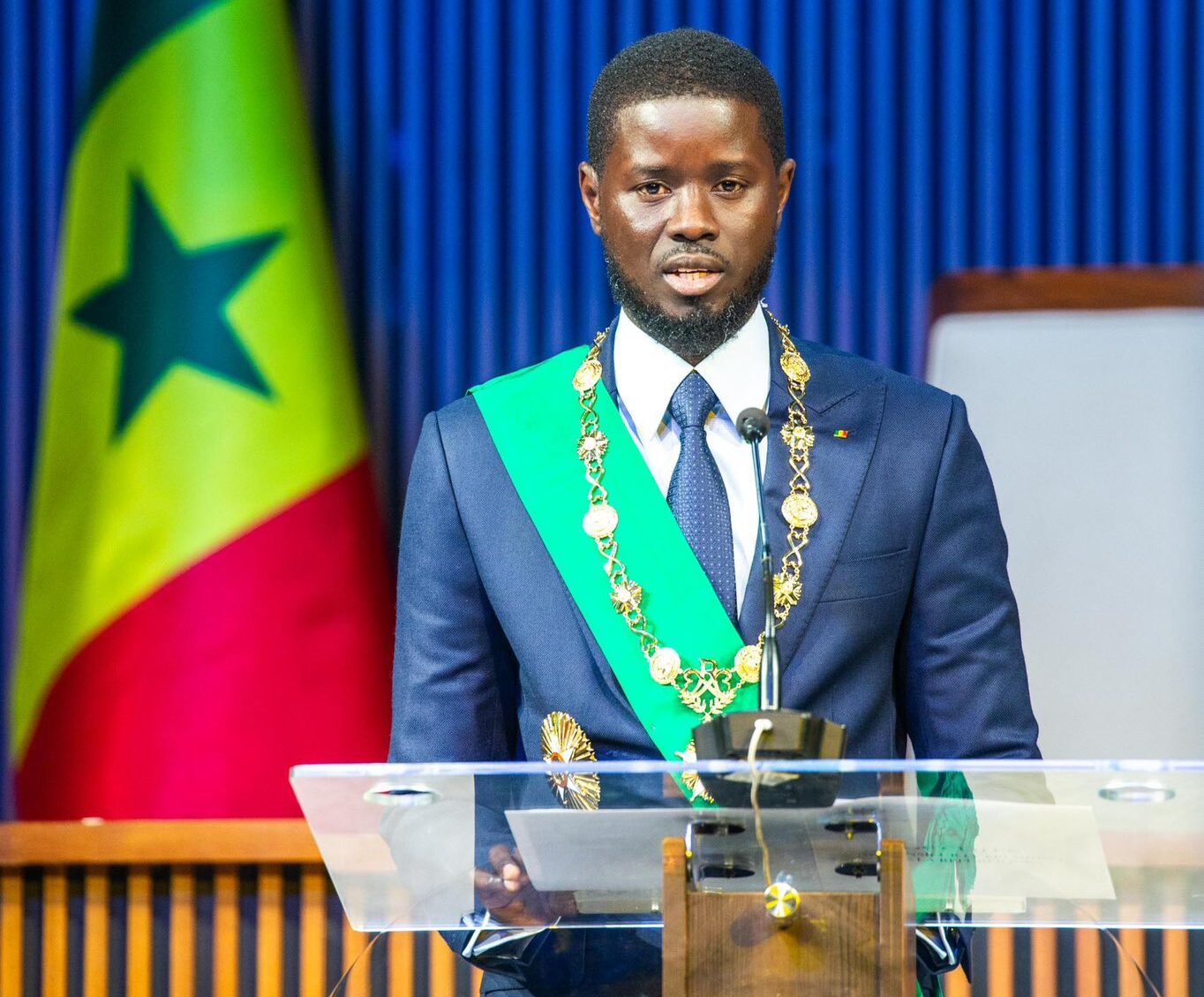
He clarified that his appointment does not represent a change in direction, but rather a change in method. He emphasized transparency, economic sovereignty, and cultural sovereignty as the foundations of his action.
Political Transition and Parliamentary Shifts
The change in leadership coincides with a significant shift in the National Assembly. The legislature is scheduled to examine the reintegration of Ousmane Sonko as a deputy.
Sonko, who was elected in November 2024, had previously renounced his mandate to serve as Prime Minister. Now that he has left the executive, he is eligible to return to Parliament.
The resignation of Assembly President El Malick Ndiaye has further cleared the path for Sonko. As the leader of the Pastef party, which holds 130 of the 165 seats, Sonko may be elected as the new president of the Assembly.
Opposition Concerns
These institutional moves have met with strong criticism from the opposition. Aïssata Tall Sall, head of the main opposition coalition’s deputies, has denounced the process as a “forcing” by the majority.
Sall has characterized the current political maneuvering as a potential “institutional coup.”
Future Outlook
The immediate focus may shift toward the outcome of the National Assembly’s vote regarding Sonko’s reintegration and the election of the new Assembly president.
Economically, the government could now move toward formal discussions with the IMF to establish a new aid framework. This may be necessary to address the current debt levels and stabilize the national economy.
the administration may continue to pursue legal cases against former officials from the Macky Sall era regarding mismanagement and political violence.
Frequently Asked Questions
Who is Ahmadou Al Aminou Mohamed Lô?
He is a banker, former minister, and former official of the Central Bank of West African States (Bceao) who has been appointed as Senegal’s new Prime Minister.
What is the current state of Senegal’s national debt?
Senegal’s debt is currently at 132% of its GDP, which has created a difficult financial situation for the country.
Why was the IMF aid programme suspended?
The $1.8 billion aid programme was suspended after the new authorities accused the previous administration under President Macky Sall of hiding a portion of the country’s debt.
Do you believe a shift in financial leadership is the most effective way to manage high national debt?