

Senior NIH official pushes MAHA priorities to skeptical ADA audience
During the American Diabetes Association’s 2026 scientific sessions in New Orleans, Richard Woychik, a senior adviser to NIH Director Jay Bhattacharya, delivered a keynote address that signaled a major shift in federal health priorities. Woychik offered a full-throated endorsement of the “Make America Healthy Again” (MAHA) movement, a policy embraced by Health and Human Services Secretary Robert F. Kennedy Jr.
A New Direction for Federal Health Research
Woychik stated that the MAHA strategy is designed to harness NIH-wide innovation to better understand and reduce the burden of diabetes. He described diabetes as a primary example of why the NIH requires an integrated approach to managing chronic diseases.
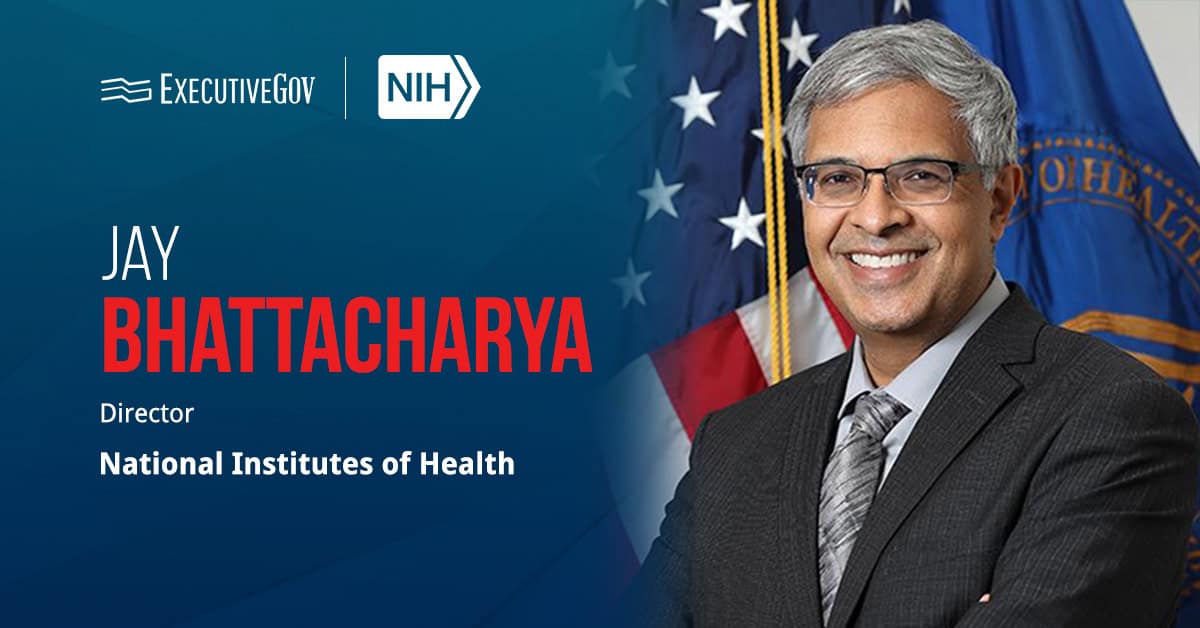
The keynote took place after NIH Director Jay Bhattacharya cancelled his appearance due to a last-minute scheduling conflict requiring an in-person meeting with President Trump. Woychik emphasized that he and Bhattacharya remain closely aligned on the objectives of the NIH.
Tensions Over Funding and Scientific Inquiry
The endorsement of the MAHA agenda was met with visible tension from the research community. During a fireside chat, ADA Chief Scientific Officer Rita Kalyani quoted Senator Tammy Baldwin, who described a “systematic dismantling” of research programmes and the “deliberate erosion” of institutions that maintain U.S. Leadership in biomedical innovation.

Woychik attributed funding cuts to grants, staff, and careers to a “changing environment” and the priorities of the new administration. He noted that Director Bhattacharya was hired specifically because he has different priorities than past directors.
Further conflict erupted when five ADA registrants, including lead author Steven Kahn, were escorted out by police. They had been distributing an editorial from the Diabetes Care journal that criticized administration changes to biomedical research. The ADA stated the attendees were removed for behavior inconsistent with the event’s code of conduct.
Addressing Controversies: Vaccines, Autism, and Fluoride
Woychik addressed several controversial topics, including the “exposome,” which examines environmental and social influences alongside genetics. On the subject of autism, he acknowledged a recognised role for the environment in addition to genetics.
Regarding vaccines, Woychik clarified that the MAHA agenda does not argue for banning vaccines. Instead, it seeks a better understanding of the biological and molecular responses that occur following treatment to improve delivery mechanisms.
On the issue of water fluoridation, Woychik pointed to the difficulty of reproducibility in scientific studies. He noted that a new study of past research is currently underway to determine if specific fluoride levels cause adverse health effects in children.
The Future of Peer Review
The session concluded with a debate over a recently proposed rule regarding the peer review of scientific studies. Rita Kalyani suggested the rule could challenge the freedom of scientific inquiry and threaten the future of the field.
Woychik responded by stating the proposal is open for public comment, encouraging interested parties to provide their input. He expressed excitement about the direction of the NIH, despite acknowledging that “change is never easy.”
Moving forward, the implementation of the MAHA agenda may lead to a shift toward “gold standard science” focused on the root causes of diabetes. This transition could potentially result in further changes to how research grants are disbursed and how high-level officials oversee scientific reviews.
Frequently Asked Questions
What is the primary goal of the MAHA strategy regarding diabetes?
The strategy aims to harness NIH-wide innovation to better understand and focus on preventing and reducing the burden of diabetes through integrated strategic approaches to chronic diseases.
Why were some attendees removed from the ADA conference?
According to the ADA, five registrants were escorted out by security and police because they were handing out an editorial criticizing administration changes to biomedical research, which was deemed behavior inconsistent with the code of conduct.
What is the NIH’s current position on the relationship between vaccines and autism?
While Richard Woychik endorsed more study into the biological responses to vaccines, he did not relate autism to vaccines during his address.
How do you think a shift toward “root cause” research will impact the future of chronic disease treatment?