

Serena Williams’ Emotional Tennis Comeback
Serena Williams returned to competitive tennis last week, headlining a busy period of professional play that saw emerging stars like Iva Jović and Ben Shelton claim victories. While Williams’ appearance sparked widespread nostalgia, tournament organizers and broadcasters are currently managing the shifting landscape of viewership numbers and strict site policies regarding canine companions.
Serena Williams returns to the court
Serena Williams made her return to competitive tennis last week, a move that drew significant attention from fans and observers alike. According to reporting by Ava Wallace, the 44-year-old’s presence on the grass court, complete with her signature headbands and familiar service motion, served as a reminder of her storied career at Wimbledon.
While the long-term competitive goals for Williams remain unclear, the return highlights the persistent drive of generational athletes. Analysts suggest that if she continues to compete, it could lead to a significant boost in viewership for upcoming events, including the Berlin Tennis Open.
Did You Know? Serena Williams’ return to the tour comes four years after her last Grand Slam appearances, with fans and reporters noting that her familiar service motion and on-court mannerisms remain largely unchanged from her championship years.
The challenge of competing against friends
Professional tennis players frequently face the challenge of competing against close friends on tour, a dynamic that can create uncomfortable, one-sided matchups. Iva Jović, the world No. 19, has defeated her friend Alexandra Eala in two consecutive tournaments, including a 6-2, 6-2 victory at the Queen’s Club last week.
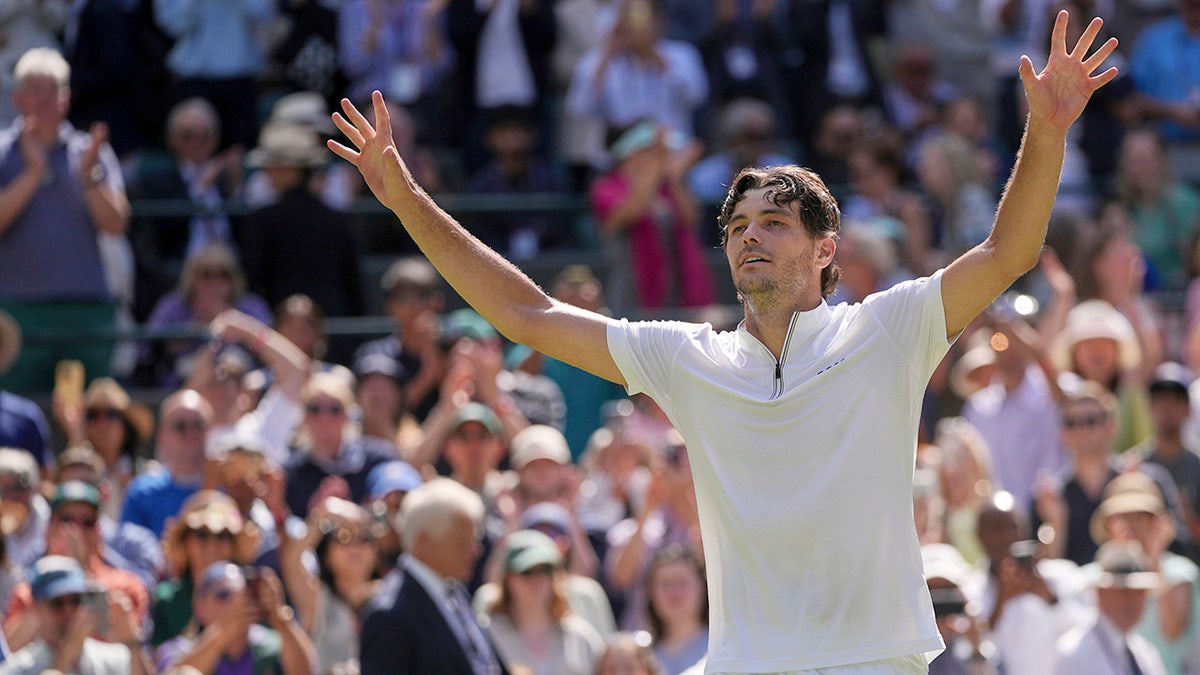
According to Charlie Eccleshare, this dynamic is not unique to the rising stars. Players like Taylor Fritz have noted that facing friends in early tournament rounds is often difficult, as they prefer to meet those competitors in high-stakes environments like semifinals or finals. It is possible that as both Jović and Eala climb the rankings, they may eventually face one another in the later stages of major events.
Dog policies at major tournaments
The presence of dogs at tennis tournaments has become a point of contrast between Roland Garros and Wimbledon. While the French Open implemented a luxury concierge service to care for players’ pets this year, Wimbledon chief executive Sally Bolton confirmed that the tournament maintains a strict policy, permitting only service, security, and search dogs on site.
Expert Insight: The disparity in policies reflects the different cultural priorities of the Grand Slams. While Roland Garros has prioritized player comfort through personalized pet services, Wimbledon’s commitment to tradition remains the governing factor. This tension suggests that while players may increasingly travel with their dogs, they will likely need to adjust their expectations based on the specific regulations of each host venue.
Viewing figures and the star power effect
Tennis viewership remains highly sensitive to the presence of established stars, as evidenced by recent data from the French Open. According to Sports Business Journal, the men’s final between Alexander Zverev and Flavio Cobolli drew 1.3 million viewers, marking the lowest figures for the event in over 20 years. This represents a 25 percent decline compared to the previous year, when top-ranked stars like Carlos Alcaraz and Jannik Sinner competed.

Broadcasters observed a similar trend in the women’s draw, where viewership was down 44 percent compared to the previous year’s final. While tournament organizers may see lower numbers when top-ranked players are eliminated early, they expect that events featuring high-profile returns or deep runs by established favorites will likely draw larger audiences in the coming weeks.
Frequently Asked Questions
Why did viewership decline for the most recent French Open finals?
According to data from Sports Business Journal, the finals experienced lower viewership because they lacked the star power of the previous year, when high-profile players like Carlos Alcaraz and Jannik Sinner competed.
What is Wimbledon’s official policy regarding dogs?
Chief executive Sally Bolton stated that the tournament only permits service, security, and search dogs on site, maintaining a long-standing policy that differs from the more dog-friendly approach seen at the French Open.
How have players like Iva Jović described playing against friends?
Jović expressed a desire to face friends in the later stages of tournaments, a sentiment echoed by players like Taylor Fritz, who noted that competing against friends in early rounds is an uncomfortable experience.
What do you think is the most significant factor influencing the current shifts in professional tennis?