
Severe Storm and Hail Hit Camagüey, Cuba
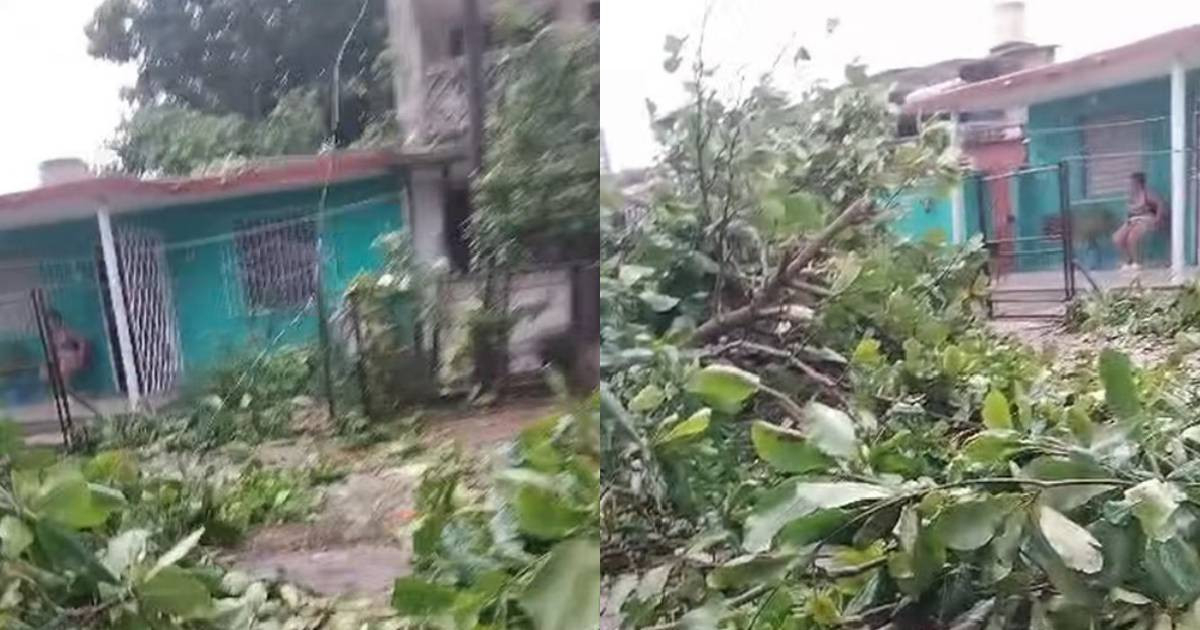
A severe local storm with intense rain and strong winds hit several areas of Camagüey, Cuba, this Saturday, according to the Centro Meteorológico de Camagüey. Official reports noted pea-sized hail in the Los Coquitos neighborhood with no reported damage, though independent footage shows fallen trees in the territory.
What were the effects of the Camagüey storm?
The Centro Meteorológico de Camagüey, reporting via the Radio Camagüey Facebook page, described the hail as “few and approximately the size of a pea.” While the official entity confirmed no damage associated with the event, independent journalist José Luis Tan Estrada shared a video on Facebook showing fallen trees at an unspecified location in the region.
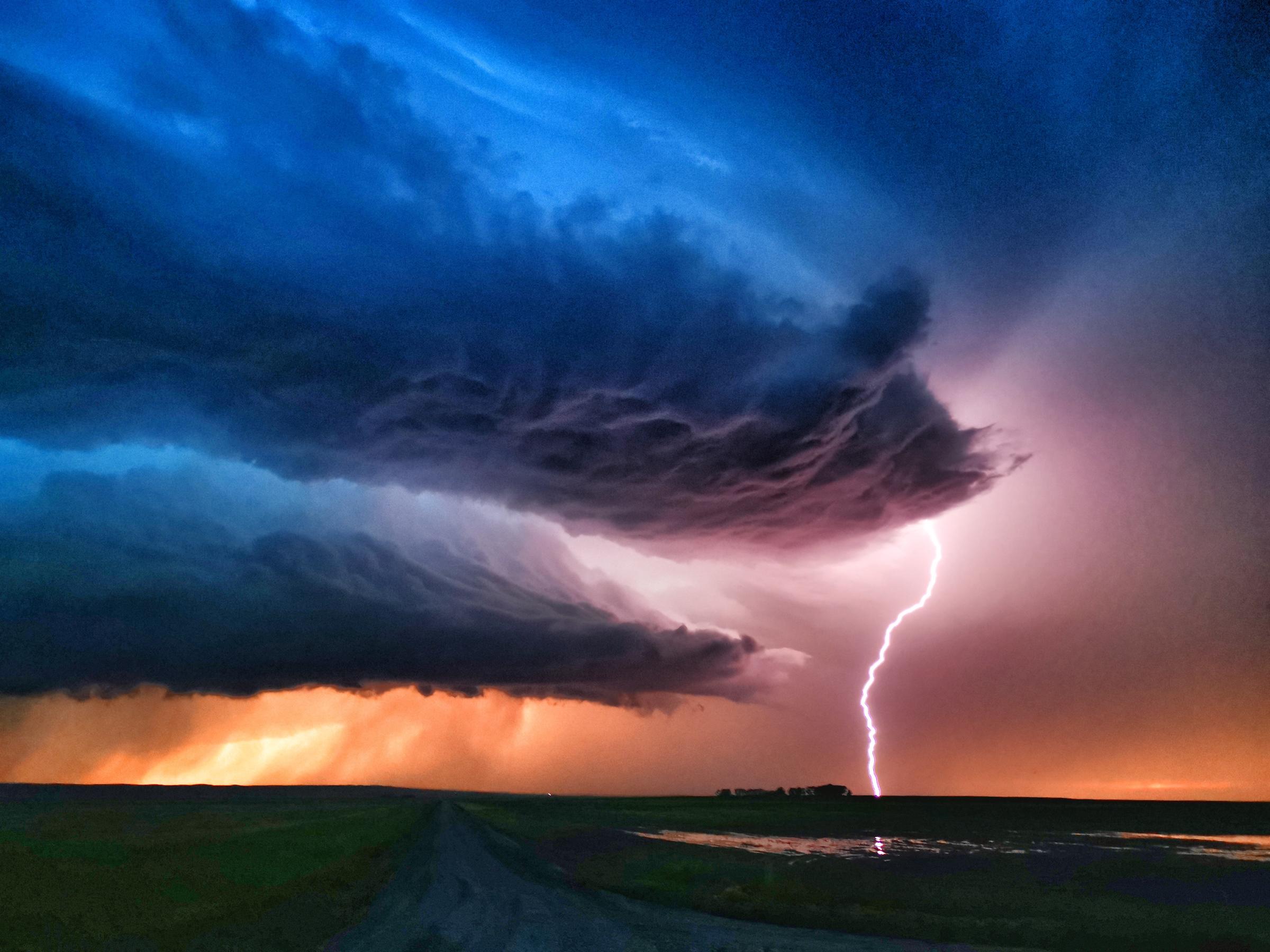
NASA satellite imagery captured at 17:36 UTC on Saturday confirmed the event. The images showed intense convective activity over the area, explicitly labeled as a “Severe local storm.”
How does this event compare to previous storms in Cuba?
This storm is part of a recurring pattern of instability in Camagüey. On April 24, a severe storm featuring large hail struck Ingenio Viejo for six minutes, and on May 7, a waterspout occurred in Nuevitas without causing damage.
Similar severe weather has affected other provinces. On June 3, a storm in Bayamo, Granma, caused flooding, hail, and power outages. This followed another event 16 days earlier that recorded 81.5 mm of rain in one hour, winds exceeding 100 km/h, and damage to 85 homes.
Why are these severe storms occurring?
According to the Instituto de Geofísica y Astronomía de Cuba, these storms develop when troughs in the middle and lower levels of the atmosphere encourage the growth of unstable cumulonimbus clouds. These systems produce intense rain, hail, and wind gusts that can exceed 100 km/h.

The Government of Camagüey had anticipated this instability in its official forecast, predicting partially cloudy skies with showers and thunderstorms and a precipitation probability between 50% and 90%.
What may happen next in the region?
Given that Cuba is currently in its official rainy season, further convective instability is likely to persist. Future storms could lead to increased urban flooding if existing drainage issues remain unaddressed.
Depending on atmospheric troughs, other provinces may see similar patterns of high-velocity winds and intense short-term rainfall, which could potentially impact housing and power grids in vulnerable areas.
Frequently Asked Questions
What was the size of the hail reported in Camagüey?
The Centro Meteorológico de Camagüey described the hail as being approximately the size of a pea.
What causes these specific types of storms in Cuba?
According to the Instituto de Geofísica y Astronomía de Cuba, they are generated by troughs in the middle and lower atmosphere that favor the development of unstable cumulonimbus clouds.
Were there any casualties or major damages reported officially?
The official entity reported no damage associated with the Saturday event, though independent reports showed fallen trees.
How do you think cities should prepare for the increasing frequency of localized severe storms?