

SGLT2 Inhibitors Linked to Higher Diabetic Foot Complication Risk Than GLP-1s
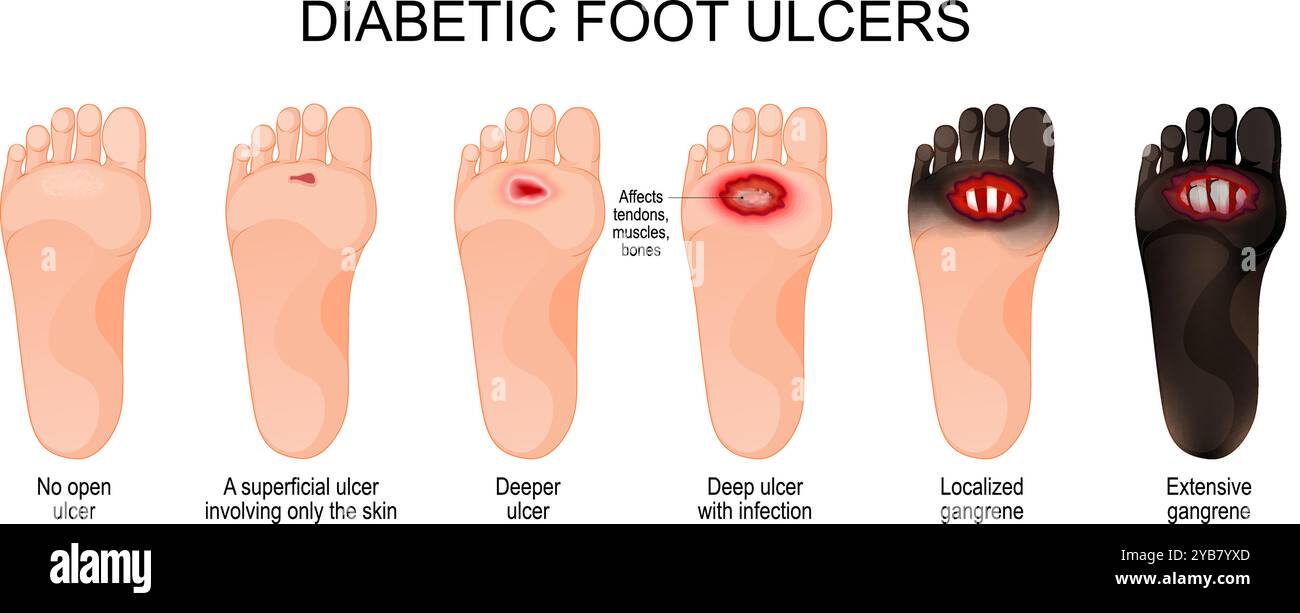
Patients with type 2 diabetes treated with SGLT2 inhibitors face a higher risk of major diabetic foot complications than those using GLP-1 receptor agonists, according to research presented at ENDO 2026. While SGLT2 inhibitors were linked to lower rates of new-onset diabetic peripheral neuropathy, they showed increased risks for conditions like osteomyelitis over a five-year period.
What were the specific risks for SGLT2 inhibitors?
Researchers found that patients taking SGLT2 inhibitors had a higher risk of developing osteomyelitis compared to the GLP-1 group. The relative risk was 1.3 (95% CI, 1.26-1.35; P < 0.001), according to data presented in Chicago.
The study analyzed a massive real-world population via the TriNetX Global Collaborative Network. The team matched 630,097 patients taking a GLP-1 with 630,097 patients taking an SGLT2 inhibitor based on comorbidities, demographics, and medication classes.
How did neuropathy rates differ between the drug classes?
SGLT2 inhibitors were associated with a lower likelihood of new-onset diabetic peripheral neuropathy. The relative risk was 0.97 (95% CI, 0.96-0.98; P < 0.001) compared to the GLP-1 group.
Karima Gadalla, MD, a resident physician at Jefferson Health in Philadelphia, called this divergence interesting. She noted that neuropathy is typically viewed as a primary driver of foot complications, yet lower neuropathy risk in this group didn’t lead to fewer overall foot events.
How does this study differ from previous research?
Prior work on this topic has been limited and mixed. A post hoc analysis of the LEADER trial showed that liraglutide (Victoza/Saxenda, Novo Nordisk) reduced amputation-related outcomes, but it didn’t examine the full spectrum of foot disease.
Another TriNetX study focused specifically on amputations between the two drug classes. Gadalla stated that the current research aimed to broaden the lens to include “upstream” outcomes, such as ulcers and osteomyelitis, rather than focusing solely on amputations.
What may happen for high-risk patients next?
Because the study was retrospective and observational, Gadalla advised that results be interpreted with caution. However, for patients already at high risk for foot complications, physicians may choose to emphasize closer foot monitoring and prevention.
Further research could target the “underexplored” microvascular space. While GLP-1 receptor agonists are known for cardiovascular protection and effects on nephropathy, their impact on the broader spectrum of diabetic foot complications may require more study.
Frequently Asked Questions
Which drug class was associated with more foot complications?
Patients taking SGLT2 inhibitors had a higher risk for major diabetic foot complications, including osteomyelitis, compared to those taking GLP-1 receptor agonists.
Did SGLT2 inhibitors have any benefits regarding neuropathy?
Yes, the SGLT2 group was less likely to experience new-onset diabetic peripheral neuropathy at the five-year mark.
What are the limitations of these findings?
The study was retrospective and observational, meaning the results should be interpreted with caution.
Do you prioritize cardiovascular protection or limb-related outcomes when discussing medication options with a healthcare provider?