
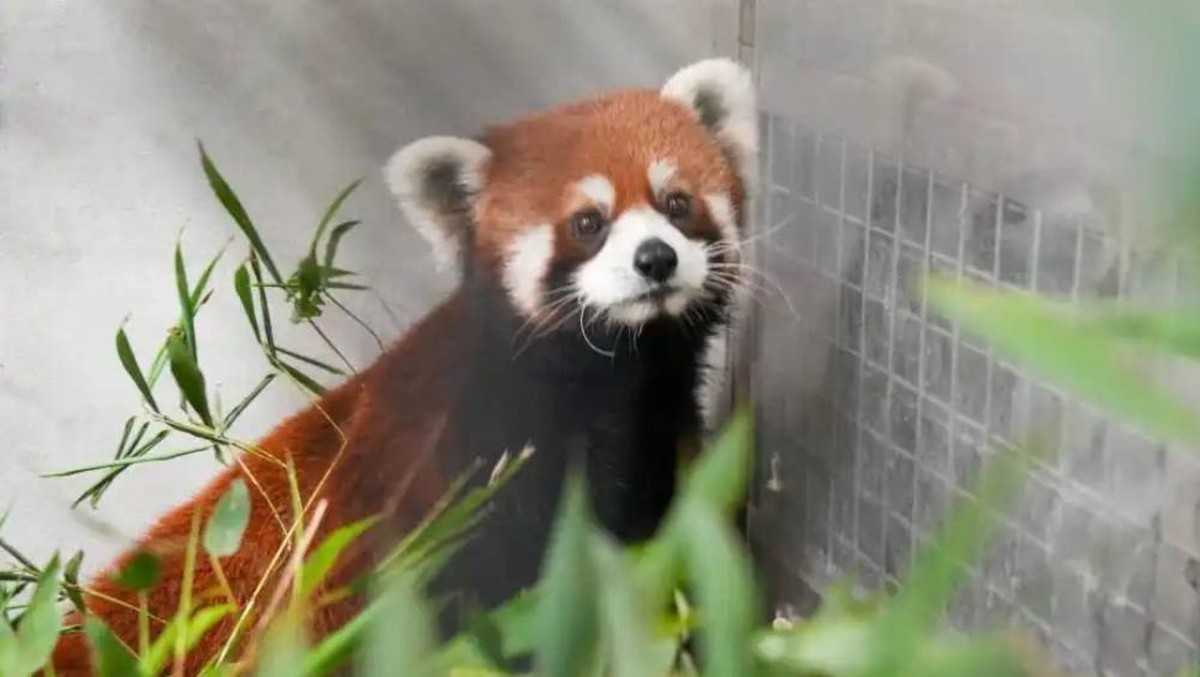
Shanghai Gifts Red Pandas To Taipei In First Cross-Strait Exchange In 12 Years
Taipei Zoo recently welcomed a pair of endangered red pandas from Shanghai Zoo, marking the first cross-strait animal exchange in 12 years. This transfer, established via a memorandum signed at the 2024 Shanghai-Taipei City Forum, aims to enhance genetic diversity and serve as a model for international wildlife conservation cooperation.
Why the red panda exchange is a win for genetic diversity
Bringing in new animals isn’t just about adding attractions for visitors. According to conservation experts, this exchange introduces new bloodlines to the Taipei Zoo population. This move is designed to maintain a healthy population, improve the age structure, and boost genetic diversity.
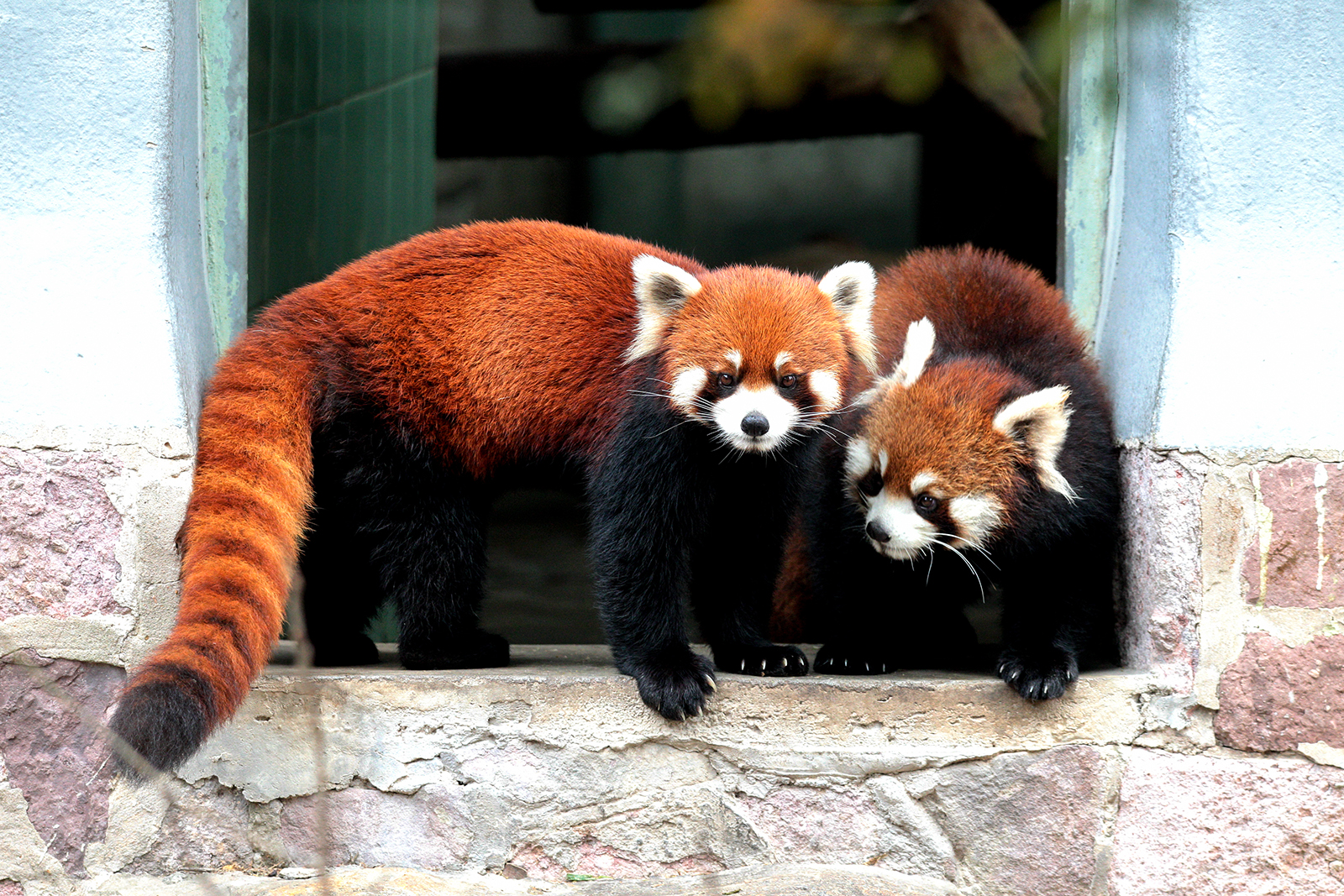
The new arrivals consist of a three-year-old male and a two-year-old female. Their arrival helps prevent the risks associated with inbreeding in captive populations, which is a common challenge for endangered species. By diversifying the gene pool, the zoo increases the long-term viability of its red panda family.
How the agreement shifted from penguins to gibbons
The final terms of the exchange evolved during negotiations. While the initial plan involved Taipei providing African penguins to Shanghai, the requirements changed. According to the memorandum, Taipei will now send white-handed gibbons to Shanghai instead.
This shift reflects the fluid nature of zoological exchanges, where the specific needs of the receiving institution—such as habitat availability or current population gaps—take priority over the original proposal. The resulting agreement ensures that both cities receive species that actually fit their current conservation goals.
The role of city-level diplomacy in conservation
This animal transfer is the direct result of the Shanghai-Taipei City Forum. Taipei Mayor Chiang Wan-an initiated the process during the 2023 forum, which eventually led to the official signing of the memorandum on red panda species exchange and conservation cooperation in December 2024.
Using “animal diplomacy” allows cities to collaborate on scientific and environmental goals even when broader political climates are complex. By focusing on the protection of endangered species, the two cities have created a professional framework for cooperation that prioritizes biological science over politics.
What happens next for the red pandas in Taipei?
The red pandas aren’t heading straight to the exhibits. They must first undergo a mandatory one-month quarantine to ensure they are healthy and free of diseases before joining the existing red panda family in the temperate animal zone.
Public interaction is on the horizon. The animals are expected to meet the public in July. To increase community engagement, Mayor Chiang Wan-an has suggested that the pandas’ names could be decided through a public vote, turning a scientific exchange into a city-wide event.
Comparison: Original Plan vs. Final Outcome
| Feature | Original Proposal | Final Agreement |
|---|---|---|
| From Shanghai | Two Red Pandas | Two Red Pandas |
| From Taipei | African Penguins | White-handed Gibbons |
Frequently Asked Questions
When can the public see the new red pandas?
They are expected to be on public display in July, following a one-month quarantine period.
Why was the exchange necessary?
According to conservation experts, the exchange introduces new bloodlines to improve genetic diversity and the age structure of the red panda population at Taipei Zoo.
What animal is Taipei sending to Shanghai?
Taipei will send white-handed gibbons to Shanghai, replacing the originally planned African penguins.
How were the pandas’ names decided?
They have not been named yet, but Mayor Chiang Wan-an has suggested a public vote to choose their names.
Want to stay updated on wildlife conservation and city news? Leave a comment below telling us what you’d name the new red pandas, or subscribe to our newsletter for more deep dives into urban diplomacy and nature.